Energy Solutions for Agriculture: Renewable Energy and Battery Storage for Modern Farms
Agriculture has always depended on reliable resources such as land, water, and labor. Today, electricity has become another essential part of modern farming. From irrigation pumps operating in the early morning to refrigeration systems running around the clock, almost every stage of agricultural production requires a stable power supply.
For many farms, energy costs have become a major operating expense. At the same time, unstable grids and frequent power interruptions can create serious risks. A short outage may stop irrigation, interrupt greenhouse climate control, or damage temperature-sensitive products stored in cold rooms.
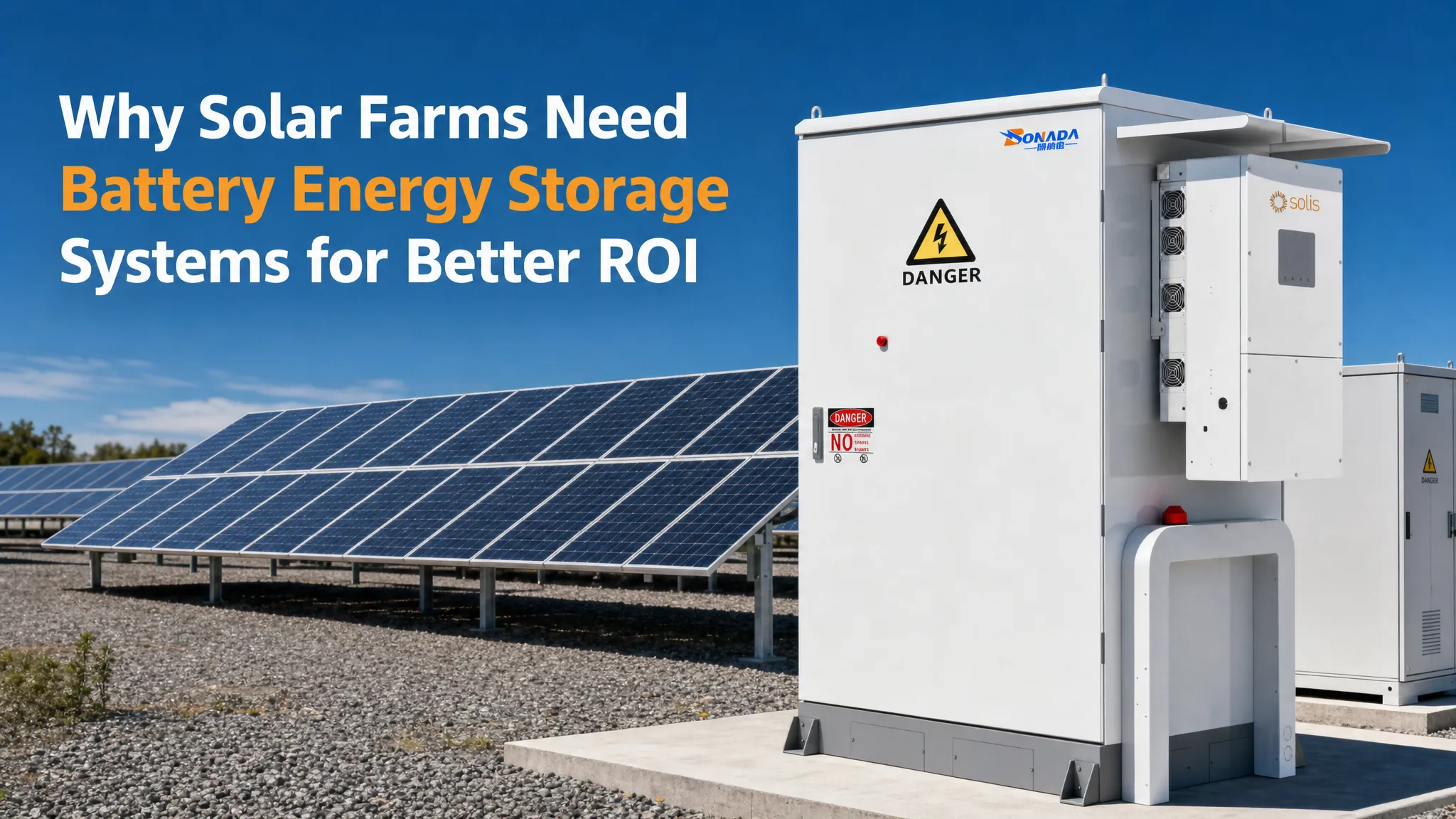
This is why more agricultural businesses are looking at advanced energy solutions for agriculture. Solar PV systems combined with battery energy storage systems (BESS) allow farms to generate electricity, store unused solar power, and better control how energy is consumed throughout the day.
Unlike traditional backup systems that only respond after a power failure occurs, battery storage provides a more flexible approach. It can reduce electricity costs during high-price periods, improve renewable energy utilization, and provide backup power for critical agricultural operations.
From small greenhouse projects to large-scale agricultural processing facilities, customized renewable energy solutions are helping farms build more reliable and efficient energy systems.
Renewable Energy and Battery Storage System for Modern Farms
Why Modern Farms Need Better Energy Management
Rising Electricity Costs Are Changing Agricultural Operations
Electricity consumption in agriculture has increased significantly as farms become more automated. Modern farming equipment, irrigation systems, ventilation units, cooling equipment, lighting systems, and processing machinery all require continuous electrical power.
For example, a commercial greenhouse may operate fans, pumps, lighting, and environmental control equipment every day to maintain suitable growing conditions. A cold storage facility may need refrigeration systems running 24 hours a day to prevent product loss after harvesting.
The challenge is that electricity prices are not always stable. Many regions apply different electricity rates depending on the time of day. During peak demand periods, farms may pay considerably higher prices for electricity compared with off-peak hours.
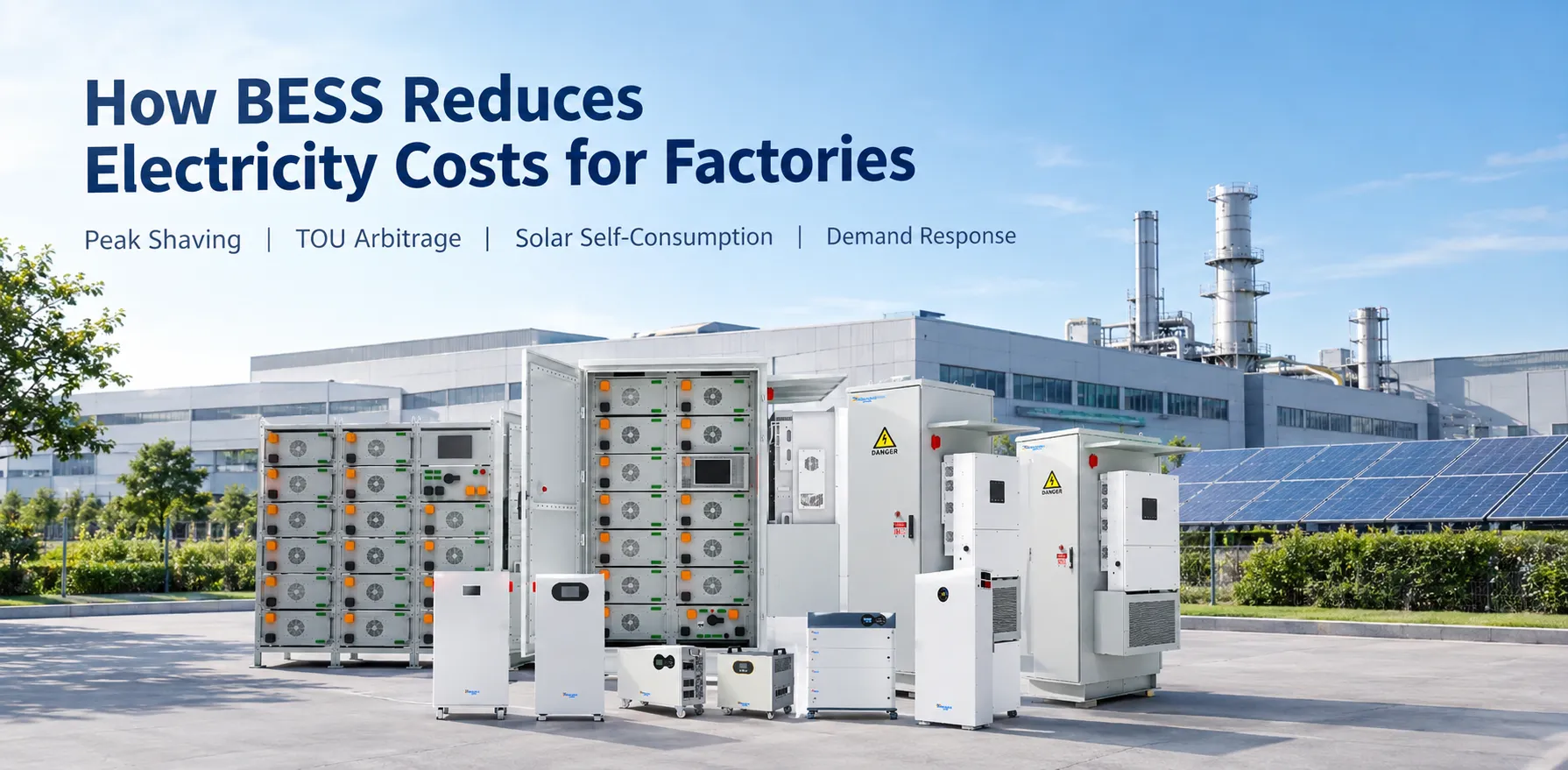
Energy storage systems provide a practical solution for managing these cost differences. By storing electricity when energy costs are lower or when solar generation is available, farms can reduce dependence on expensive grid power during peak hours.
This approach is commonly known as peak shaving and load shifting. Instead of simply consuming electricity whenever it is available, farms can actively manage their energy usage and reduce unnecessary operating expenses.
Power Reliability Is Critical for Agricultural Production
Reliable electricity is not only about reducing costs. In many agricultural applications, stable power directly affects production quality and business continuity.
Consider a greenhouse growing vegetables, flowers, or other high-value crops. Temperature control, humidity management, and irrigation automation often depend on electrical equipment. A prolonged outage during extreme weather conditions may negatively affect crop growth within a short period.
The same applies to livestock farms. Ventilation systems, automatic feeding equipment, water pumps, and monitoring systems require continuous operation. Without reliable electricity, farm productivity and animal conditions may be affected.
Cold chain facilities face an even greater challenge. Refrigeration equipment must maintain stable temperatures to protect fruits, vegetables, dairy products, meat, and other agricultural goods. Power interruptions can lead to product spoilage and significant financial losses.
Battery energy storage systems help reduce these risks by providing immediate backup power when grid electricity becomes unavailable. Depending on system design, BESS can support critical loads until grid power is restored or additional backup generation is activated.
Solar and Battery Storage Solutions for Agriculture
Solar PV Systems for Farms and Agricultural Facilities
Solar photovoltaic (PV) systems are one of the most practical renewable energy solutions for agricultural applications. Many farms have suitable areas for solar installation, including rooftops, unused land, warehouse buildings, and agricultural structures.
Solar panels can directly supply electricity for daily farm operations such as:
- Irrigation pumps and water treatment systems
- Greenhouse ventilation and climate control equipment
- Farm buildings and lighting systems
- Agricultural processing machinery
- Cold storage and refrigeration systems
One major advantage of solar energy is that agricultural facilities often have high electricity demand during daylight hours, which matches well with solar generation patterns.
However, solar production naturally changes throughout the day. Cloudy weather, seasonal changes, and nighttime operations can create a gap between electricity generation and actual energy demand. This is where battery storage becomes an important part of the overall energy solution.
Solar + Battery Energy Storage Systems for Farms
A solar PV system can generate clean electricity, but without energy storage, excess power generated during the day may not be fully utilized. Battery energy storage systems solve this problem by capturing unused solar energy and making it available when the farm needs it.
A typical agricultural solar + BESS system works in three stages:
- Solar panels generate electricity during daylight hours.
- Excess electricity is stored in lithium battery systems.
- Stored energy is discharged when solar production decreases or electricity prices increase.
This operating model allows farms to improve self-consumption of renewable energy and reduce reliance on external power sources.
For larger agricultural facilities, commercial battery energy storage systems can be designed according to actual electricity demand. Engineers normally evaluate the farm's load profile, equipment operating schedule, solar capacity, and backup requirements before selecting the battery capacity.
A properly designed agricultural BESS project may provide several benefits:
- Lower electricity expenses through peak shaving
- Higher utilization of solar energy
- Backup power for essential equipment
- Reduced dependence on diesel generators
- Better control over long-term energy costs
Solar + BESS Compared with Traditional Diesel Generators
Diesel generators have traditionally been used as backup power sources in remote agricultural areas. They can provide electricity during outages, but they also create several challenges, including fuel costs, noise, emissions, and regular maintenance requirements.
Battery energy storage systems offer a cleaner and more flexible alternative for many agricultural applications. Unlike diesel generators that must start after a power failure, BESS can provide instant power support through automatic switching systems.
For farms with solar installations, combining PV generation with battery storage creates a more efficient energy structure. Solar energy can reduce daily electricity costs, while the battery system provides additional security when grid conditions become unstable.
In remote areas where grid connection is limited, solar and battery systems can also operate as independent energy solutions. This makes them suitable for farms, greenhouses, and agricultural facilities located far from reliable utility infrastructure.

Key Agricultural Applications of Battery Energy Storage Systems
Energy Storage for Greenhouses
Greenhouses are one of the agricultural sectors where energy management has the greatest impact. Modern greenhouse operations often use automated systems to control temperature, humidity, lighting, and irrigation.
These systems require stable electricity throughout the growing cycle. In regions with unstable grids, even short interruptions can affect crop conditions and reduce production efficiency.
A battery storage system allows greenhouse operators to maintain critical equipment operation during grid failures. It can also store solar electricity during the day and provide power after sunset when greenhouse activities continue.
For advanced greenhouse projects, BESS can be integrated with energy management systems (EMS). The EMS monitors electricity consumption, battery status, weather conditions, and energy prices to optimize charging and discharging schedules.
Energy Storage for Irrigation Systems
Irrigation is one of the largest electricity-consuming activities in many agricultural operations. Large water pumps often require significant power, especially for farms with extensive cultivation areas.
Solar-powered irrigation has become increasingly popular because many irrigation activities naturally occur during sunny periods. However, farming schedules do not always match solar generation times.
With battery storage, farmers can store solar energy and operate irrigation pumps when water is actually needed. This provides greater flexibility compared with relying only on direct solar power.
For irrigation projects, system design should consider pump power requirements, operating hours, seasonal water demand, and available solar resources.
Energy Storage for Cold Storage and Agricultural Processing
Cold storage is one of the most power-sensitive applications in agriculture. After harvesting, many products need to be stored under controlled temperature conditions to maintain quality and extend shelf life.
Refrigeration compressors, cooling fans, monitoring systems, and control equipment often operate continuously. Unlike some agricultural equipment that can pause temporarily, cold storage systems usually cannot tolerate long power interruptions.
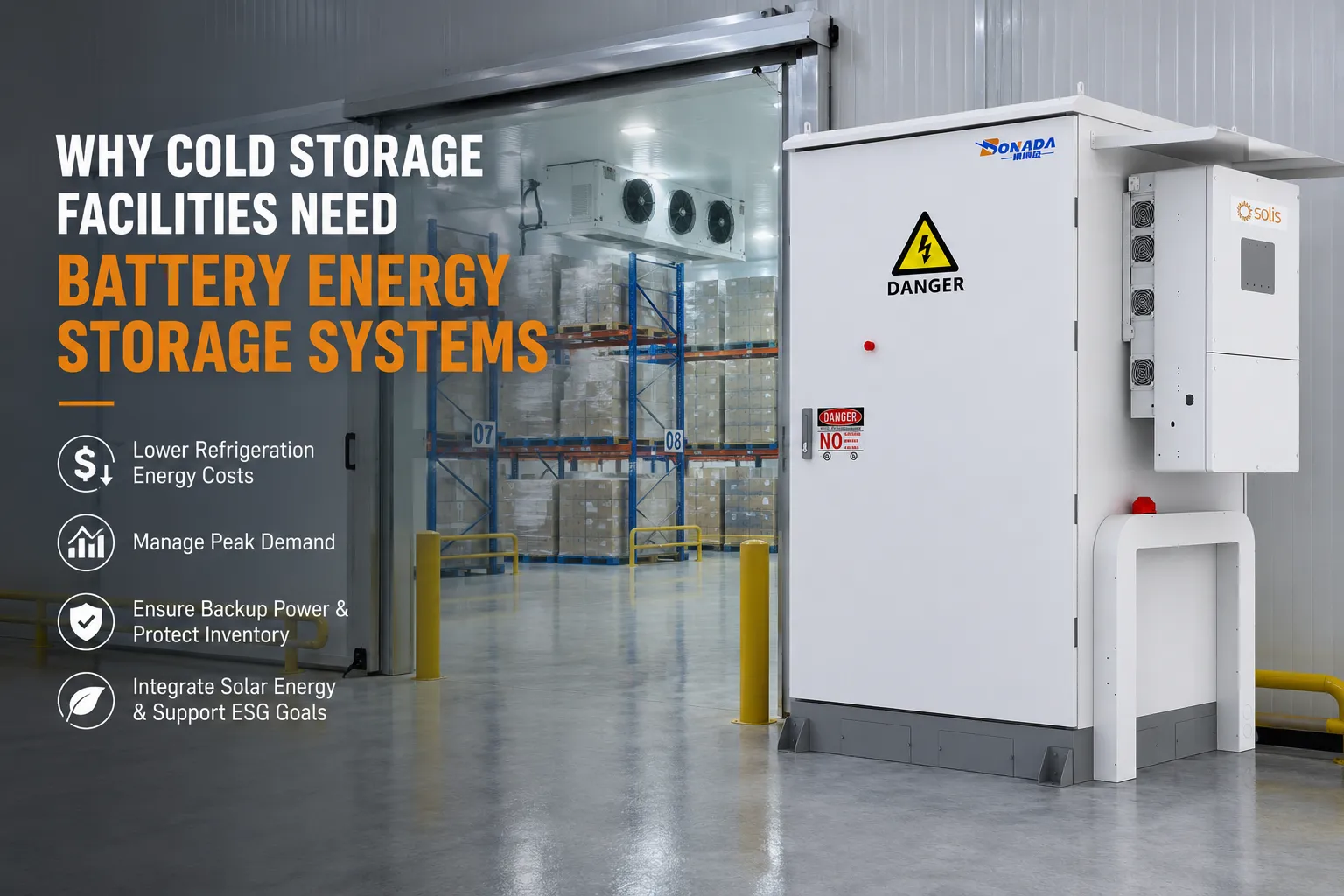
For agricultural companies operating cold chain facilities, a battery energy storage system can provide an additional layer of protection. During normal operation, the battery can help reduce electricity costs by supplying power during peak tariff periods. During grid failures, it can maintain electricity supply for critical refrigeration loads.
For example, a fruit storage warehouse may configure a BESS system to keep refrigeration systems running during short-term outages. This reduces the risk of temperature fluctuations and helps prevent product losses.
When designing an energy storage system for cold storage applications, engineers usually evaluate:
- Average refrigeration load
- Compressor starting current
- Required backup duration
- Daily operating schedule
- Future expansion requirements
Energy Storage for Livestock Farms and Automated Farming
Modern livestock farms increasingly depend on automated electrical equipment. Ventilation systems, automatic feeders, water pumps, lighting, and environmental monitoring systems all require stable electricity.
In large-scale poultry or livestock operations, environmental control is especially important. Temperature and air quality management directly influence animal health and production efficiency.
A battery storage system can support these critical systems when grid power becomes unstable. Compared with traditional backup generators, BESS provides fast response and can operate automatically without fuel supply management.
For farms using automated equipment, battery storage also improves energy management by balancing electricity demand throughout the day. High-power equipment can be scheduled more efficiently, reducing unnecessary peak demand charges.
How to Design the Right Agricultural Battery Storage System
One of the most important factors in agricultural energy projects is selecting the correct system size. Installing a battery system that is too small may not provide sufficient energy support, while an oversized system may increase investment costs without creating additional value.
A professional BESS design should be based on actual operating conditions rather than estimated electricity consumption alone.
Step 1: Analyze Farm Electricity Consumption
The first step in designing an agricultural battery storage system is understanding how electricity is used throughout the day.
Engineers usually collect information such as:
- Monthly electricity bills
- Daily load curves
- Peak power demand
- Major equipment ratings
- Operating schedules
- Seasonal energy changes
For example, a greenhouse may have higher electricity demand during nighttime due to lighting and climate control, while an irrigation project may have concentrated energy consumption during specific periods.
Understanding these differences helps determine the suitable battery capacity and power rating.
Step 2: Determine Required Battery Capacity
Battery capacity is usually measured in kilowatt-hours (kWh), which represents how much energy the battery can store.
The required capacity depends on several factors:
- How much electricity needs to be stored
- How long backup power is required
- Which equipment must remain operational
- Available solar generation capacity
- Expected future electricity demand
For example, a farm that only needs backup power for communication equipment and control systems will require a smaller battery compared with a cold storage facility that needs several hours of refrigeration support.
Battery sizing should always focus on critical loads rather than simply covering the entire facility unless a full backup solution is required.
Step 3: Select Suitable Battery Technology
Battery technology plays an important role in the reliability and safety of agricultural energy systems. For commercial agricultural applications, lithium iron phosphate (LiFePO4) batteries are widely used because of their stable performance and long service life.
Compared with traditional battery technologies, LiFePO4 batteries offer several advantages:
- High thermal stability
- Long cycle life
- Lower maintenance requirements
- Good safety performance
- Suitable for frequent charge and discharge operation
Agricultural environments can sometimes involve dust, humidity, and temperature changes. Therefore, battery systems should also include proper protection design, battery management systems (BMS), and monitoring functions.
Step 4: Consider Inverter, PCS, and Energy Management System Compatibility
A battery storage system is not only made up of battery modules. The complete solution usually includes battery packs, battery management systems, power conversion systems (PCS), inverters, protection equipment, and energy management systems.
The PCS controls the conversion between DC power from the battery and AC power used by farm equipment. The inverter manages electricity interaction between solar generation, battery storage, and the grid.
For larger agricultural projects, an EMS can provide intelligent control by analyzing electricity prices, solar production, and equipment demand. This allows the system to automatically decide when to charge or discharge the battery.
Challenges When Implementing Renewable Energy Solutions in Agriculture
Initial Investment and Project Economics
The upfront investment is one of the first considerations for agricultural businesses planning renewable energy projects. Solar panels, battery storage systems, electrical equipment, and installation costs require careful financial planning.
However, evaluating only the initial purchase price does not provide a complete picture. A properly designed energy solution should be assessed based on total lifecycle value.
Important factors include:
- Electricity cost savings
- Reduced diesel fuel consumption
- Improved production reliability
- Lower maintenance expenses
- Expected battery lifespan
For many farms, the financial return comes from multiple benefits rather than a single factor. Lower electricity bills combined with improved operational stability can significantly improve the long-term value of the project.
Choosing the Correct System Size
A common mistake in agricultural energy projects is selecting equipment based only on available installation space or maximum electricity demand.
A larger battery does not automatically create better results. If the system is not matched with actual energy usage, part of the battery capacity may remain unused.
Professional system design should consider:
- Daily energy consumption patterns
- Peak load requirements
- Solar generation profile
- Backup priorities
- Future expansion plans
For example, a dairy farm with continuous refrigeration requirements will have different energy needs compared with a seasonal crop irrigation project.
Grid Connection and Technical Requirements
Agricultural renewable energy projects must also consider local grid regulations and technical requirements.
Depending on the project location, requirements may include:
- Grid connection standards
- Electrical protection requirements
- Inverter certification
- Safety regulations
- Communication protocols
Working with an experienced energy storage supplier can help ensure that the system design meets local requirements and operates reliably after installation.
Environmental Conditions and Installation Requirements
Agricultural locations often have challenging operating environments. Outdoor installations may face temperature changes, dust, moisture, and limited maintenance access.
Therefore, battery cabinets should be designed with suitable protection levels, thermal management systems, and reliable monitoring functions.
For commercial agricultural projects, modular battery systems provide additional flexibility because capacity can be expanded as electricity demand increases in the future.

Why LiFePO4 Battery Technology Fits Agricultural Energy Storage
Battery selection has a direct impact on system safety, reliability, and operating cost. Among different lithium battery technologies, LiFePO4 has become one of the preferred choices for agricultural and commercial energy storage projects.
The reason is mainly related to its balance between safety, lifespan, and performance.
For farms that require daily charging and discharging, long cycle life is especially important. A battery system that can maintain stable performance over many years can significantly reduce replacement costs.
In addition, LiFePO4 batteries provide excellent thermal stability, making them suitable for applications where safety is a priority.
For agricultural businesses investing in solar and storage systems, choosing reliable battery technology helps ensure consistent performance throughout the project lifecycle.
Future Trends of Energy Solutions in Agriculture
The relationship between agriculture and energy is changing quickly. Farms are no longer only electricity consumers. With the development of solar power, battery storage, and smart energy management technologies, agricultural businesses are becoming more active participants in energy management.
In the coming years, more farms are expected to adopt integrated energy systems that combine renewable generation, battery storage, automation equipment, and digital monitoring platforms.
Smart Energy Management for Modern Farms
Traditional farms usually operate electrical equipment based on fixed schedules. However, smart energy systems allow farms to make decisions based on real-time electricity demand, weather conditions, and energy prices.
For example, an energy management system can automatically charge batteries when solar production is high and discharge stored energy when electricity prices increase or when grid conditions become unstable.
This type of intelligent control helps agricultural businesses improve energy efficiency without changing their normal production processes.
Development of Agricultural Microgrids
As renewable energy adoption increases, some large agricultural facilities are moving toward microgrid solutions.
An agricultural microgrid can combine solar panels, battery storage, backup generators, and local electrical loads into one coordinated energy network. This approach is especially useful for remote farms or agricultural facilities located in areas with unreliable grid infrastructure.
With a properly designed microgrid, farms can improve energy independence while maintaining stable electricity supply for critical operations.
Integration with Automated Farming Technologies
The future of agriculture is becoming more connected. Sensors, automated irrigation, robotics, and digital monitoring systems are helping farmers improve productivity and reduce resource waste.
However, these technologies depend heavily on reliable electricity. Battery energy storage systems provide the stable power foundation required for smart farming applications.
As automation continues to expand, energy management will become an important part of agricultural development rather than a separate consideration.
How to Successfully Implement an Energy Solution for Agriculture
A successful renewable energy project requires more than simply installing solar panels and batteries. The system needs to match the farm’s actual operating conditions, electricity demand, and future development plans.
Start with an Energy Assessment
Before selecting equipment, agricultural businesses should analyze their current energy situation.
A complete assessment should include:
- Current electricity consumption
- Main electrical equipment
- Peak demand periods
- Existing solar capacity
- Backup power requirements
- Future expansion plans
This information helps determine whether the project should focus mainly on electricity cost reduction, backup power, renewable energy utilization, or a combination of these goals.
Choose a Reliable Energy Storage Partner
The quality of the supplier has a direct impact on long-term system performance. Agricultural energy projects often operate in demanding environments and require reliable equipment and technical support.
When selecting a battery energy storage provider, project owners should consider:
- Battery technology and safety performance
- System integration capability
- Product certification and quality control
- Technical support during installation
- After-sales service capability
A professional supplier should be able to provide customized solutions instead of offering a standard battery package without considering actual site conditions.
Evaluate Long-Term Benefits Instead of Only Initial Cost
Renewable energy projects should be evaluated based on long-term operational value.
A complete analysis should consider:
- Electricity savings over the system lifetime
- Reduced dependence on fuel-based backup power
- Improved production reliability
- Lower risk from power interruptions
- Future energy expansion possibilities
For agricultural businesses, the goal is not only to reduce today's electricity bill but also to create a more predictable and controllable energy system for future operations.
Building a More Reliable Energy Future for Agriculture
Energy has become a critical factor in modern agricultural development. As farms become more automated and production processes become more dependent on electricity, reliable energy management is no longer optional.
Solar PV systems and battery energy storage provide a practical solution for agricultural businesses looking to reduce electricity costs, improve power reliability, and increase renewable energy usage.
From greenhouse operations and irrigation systems to cold storage facilities and livestock farms, battery storage can support a wide range of agricultural applications. By storing excess solar energy and supplying electricity when it is needed most, BESS helps farms achieve greater control over their energy consumption.
The right energy solution depends on each farm’s specific conditions. Electricity demand, equipment operation patterns, solar availability, and backup requirements should all be considered during system design.
With professional planning and suitable battery technology, agricultural businesses can build energy systems that support both current operations and future growth.
For farms looking to improve energy efficiency and reduce operational risks, investing in a customized solar and battery storage solution can provide reliable power support for years to come.
Frequently Asked Questions About Energy Solutions for Agriculture
What are the most suitable energy solutions for agriculture?
The suitable energy solution depends on the farm type, electricity demand, and local conditions. In many cases, solar PV combined with battery energy storage is an effective choice because it can reduce electricity costs, improve renewable energy utilization, and provide backup power.
Can battery storage replace diesel generators on farms?
In many applications, battery energy storage can reduce or replace the use of diesel generators for backup power. However, the final design depends on required backup duration, critical equipment, and project conditions.
A BESS system can provide immediate power support for important loads such as refrigeration equipment, irrigation controllers, monitoring systems, and greenhouse control systems.
How does battery storage reduce agricultural electricity costs?
Battery storage helps reduce electricity costs by storing energy when electricity is cheaper or when solar generation is available. The stored energy can then be used during peak pricing periods, reducing the amount of electricity purchased from the grid.
This process is commonly known as peak shaving and load shifting.
What size battery system does a farm need?
The required battery size depends on several factors, including daily electricity consumption, peak loads, solar generation capacity, and backup requirements.
For accurate sizing, engineers normally analyze the farm’s load profile and determine the required energy capacity in kWh and power output in kW.
Is LiFePO4 battery technology suitable for agricultural applications?
Yes. LiFePO4 batteries are widely used in agricultural and commercial energy storage projects because of their safety characteristics, long cycle life, and stable performance.
They are suitable for applications requiring frequent charging and discharging, including solar storage, backup power, and energy management systems.
Can solar and battery systems work in remote agricultural areas?
Yes. Solar and battery systems are especially valuable in remote locations where grid electricity is limited or unreliable.
By combining solar generation with battery storage, farms can create independent energy systems that support irrigation, refrigeration, lighting, and other essential operations.
How long can an agricultural battery storage system operate?
The operating time depends on battery capacity, connected loads, and system design. A larger battery can provide power for a longer period, while smaller systems are typically designed for specific critical equipment.
A professional energy assessment can determine the most suitable battery capacity according to actual operating requirements.
What should farmers consider before installing a BESS system?
Before installation, farmers should evaluate electricity consumption patterns, available solar resources, required backup loads, installation conditions, and future expansion needs.
A customized design based on real operating data usually provides better performance and higher economic value than selecting equipment based only on rated capacity.
Need a BESS Solution for Your Farm?
Every agricultural facility has different energy requirements. Talk with Bonada’s engineers to design a customized solar and battery storage solution based on your farm’s load profile, power demand, and backup requirements.
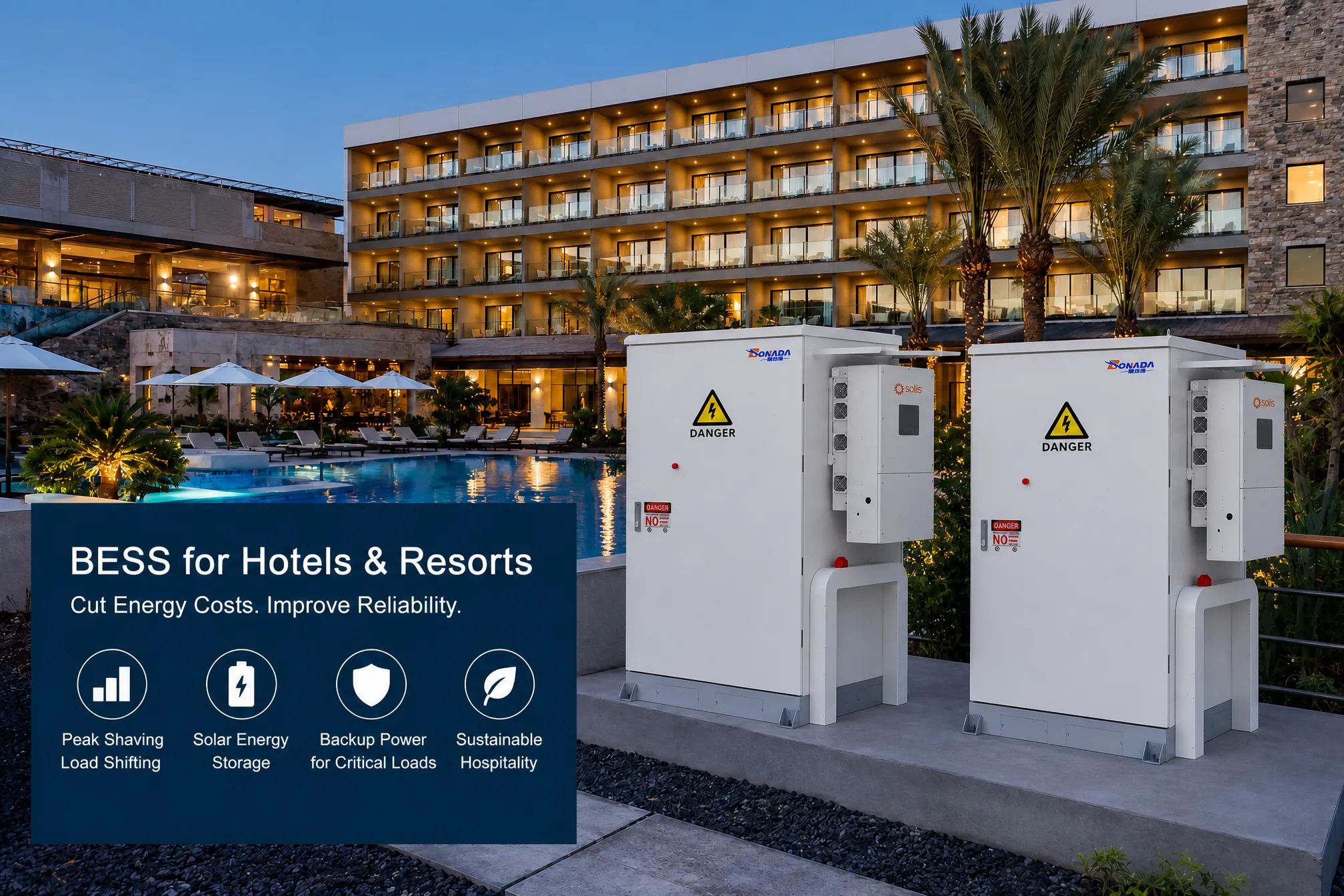
Discuss Your Agriculture Energy ProjectCommercial Energy Storage Solutions for Hotels and Resorts: How BESS Reduces Energy Costs
Related Article