
LiFePO4 Lithium Battery Storage: Recommended Temp (20-25°C) & Humidity Tips
2025-04-28
Bonada editor points out that the storage of lithium batteries at the proper temperature is important for their performance and life.

Recommended Temperature Range for lifepo4 Lithium Batteries
Generally, the recommended storage temperature for lithium batteries stands at about 20 - 25°C. In this temperature range chemical reactions in the battery are in a more stable condition. For example, when at 20°C the ion conductivity of the lithium battery electrolyte is modest in conductivity, and the activity of electrode material can also be kept at a good level, which is conducive to long-term preservation.
For new unused lithium batteries, storage at this temperature minimizes self-discharge. Since self-discharge refers to the gradual diminishment of the battery's stored power when disconnected from an external circuit it is advantageous to store first at moderate temperature. Lower temperature keeps the activity of chemistry inside the battery to a minimum, therefore reducing total self-discharge. In high temperature environments a lithium battery can have a high self-discharge rate and after sitting for some period of time can experience a consistent drop albeit temporarily, in stored power.
For new unused lithium batteries, storage at this temperature minimizes self-discharge. Since self-discharge refers to the gradual diminishment of the battery's stored power when disconnected from an external circuit it is advantageous to store first at moderate temperature. Lower temperature keeps the activity of chemistry inside the battery to a minimum, therefore reducing total self-discharge. In high temperature environments a lithium battery can have a high self-discharge rate and after sitting for some period of time can experience a consistent drop albeit temporarily, in stored power.

Effect of lifepo4 lithium battery temperature on performance
High temperature environment (over 30℃) When a lithium battery is in a high temperature environment, the chemical activity inside the battery is enhanced. This will cause the battery to self-discharge faster. For example, at 40℃, the self-discharge rate of lithium batteries may be several times higher than at 20℃. At the same time, high temperature will accelerate the decomposition of the electrolyte inside the battery and the aging of the electrode materials.
From a chemical point of view, high temperature will accelerate the evaporation rate of the solvent in the electrolyte, causing the electrolyte to dry up and the internal resistance of the battery to increase. The electrode material will also undergo structural changes due to high temperature. For example, the lithium cobalt oxide (LiCoO₂) in the positive electrode material may undergo lattice distortion, and the graphite layered structure in the negative electrode material may be destroyed, thereby affecting the embedding and de-embedding process of lithium ions and reducing the capacity and performance of the battery.
Low temperature environment (below 0℃) In low temperature environment, the performance of lithium batteries will also be significantly affected. When the temperature is below 0℃, the ionic conductivity of the electrolyte inside the battery deteriorates and the diffusion rate of lithium ions slows down. This is like in cold weather, the liquid becomes more viscous and it becomes difficult for ions to move in it.
In this case, the available capacity of the battery will drop significantly. For example, at -20℃, the actual available capacity of a lithium battery may be only 30% - 50% of that at room temperature. Moreover, charging the battery at low temperatures may cause lithium metal to precipitate on the surface of the negative electrode, forming lithium dendrites, which will seriously affect the safety of the battery, such as piercing the separator and causing a battery short circuit.
LiFePO4 Battery: Working Principle & Key Applications
Single-Phase 220V to 380V Boost Inverter: Working Principle Explained
Related Article
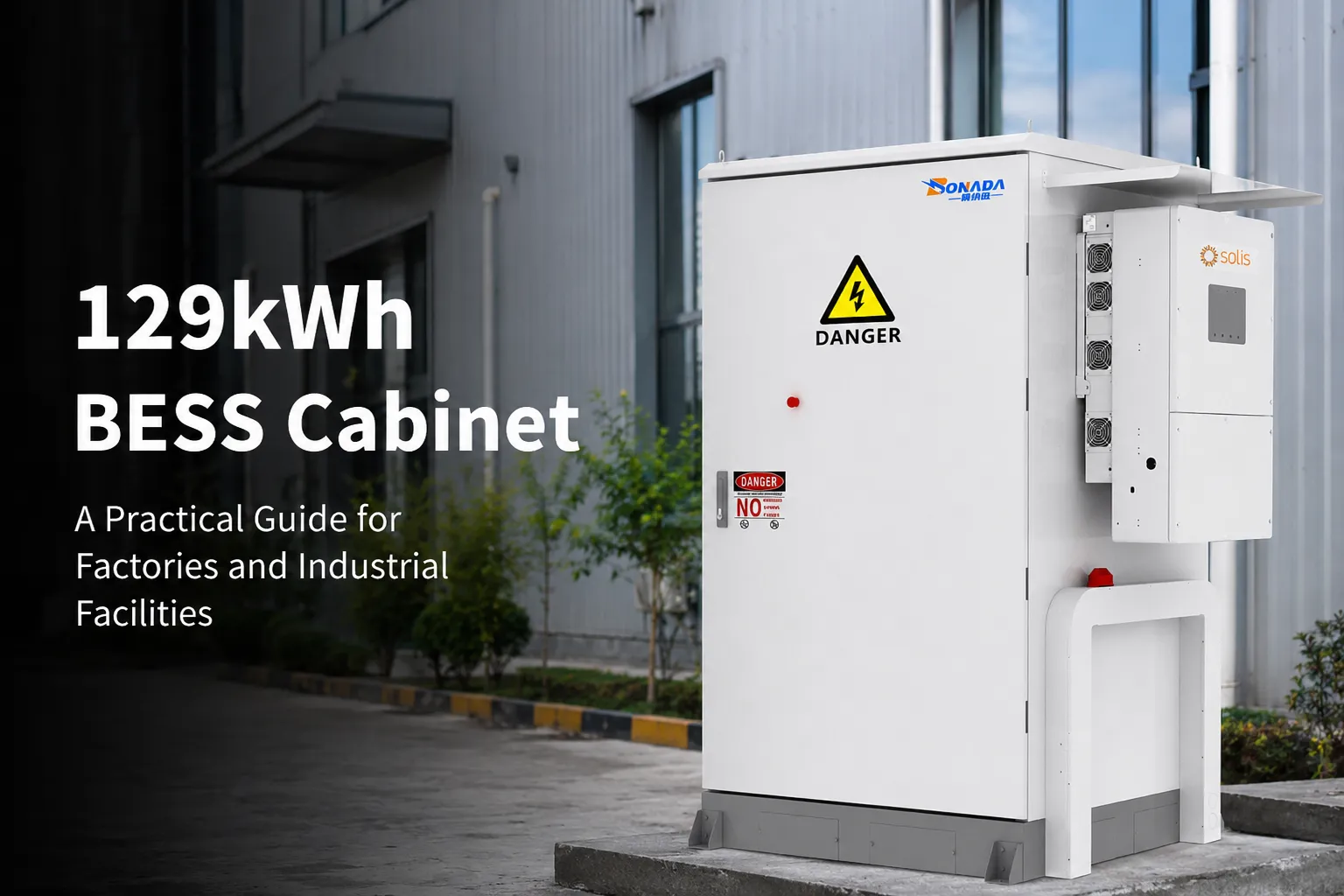
Electricity is one of the largest operating expenses for many factories. The problem is not always the total amount of electricity a facility consumes. In many markets, a factory can face significantly higher charges simply because its power demand reaches a high level for a short period.
129kWh BESS Cabinet: Complete Guide to Capacity, Components, Applications and Sizing
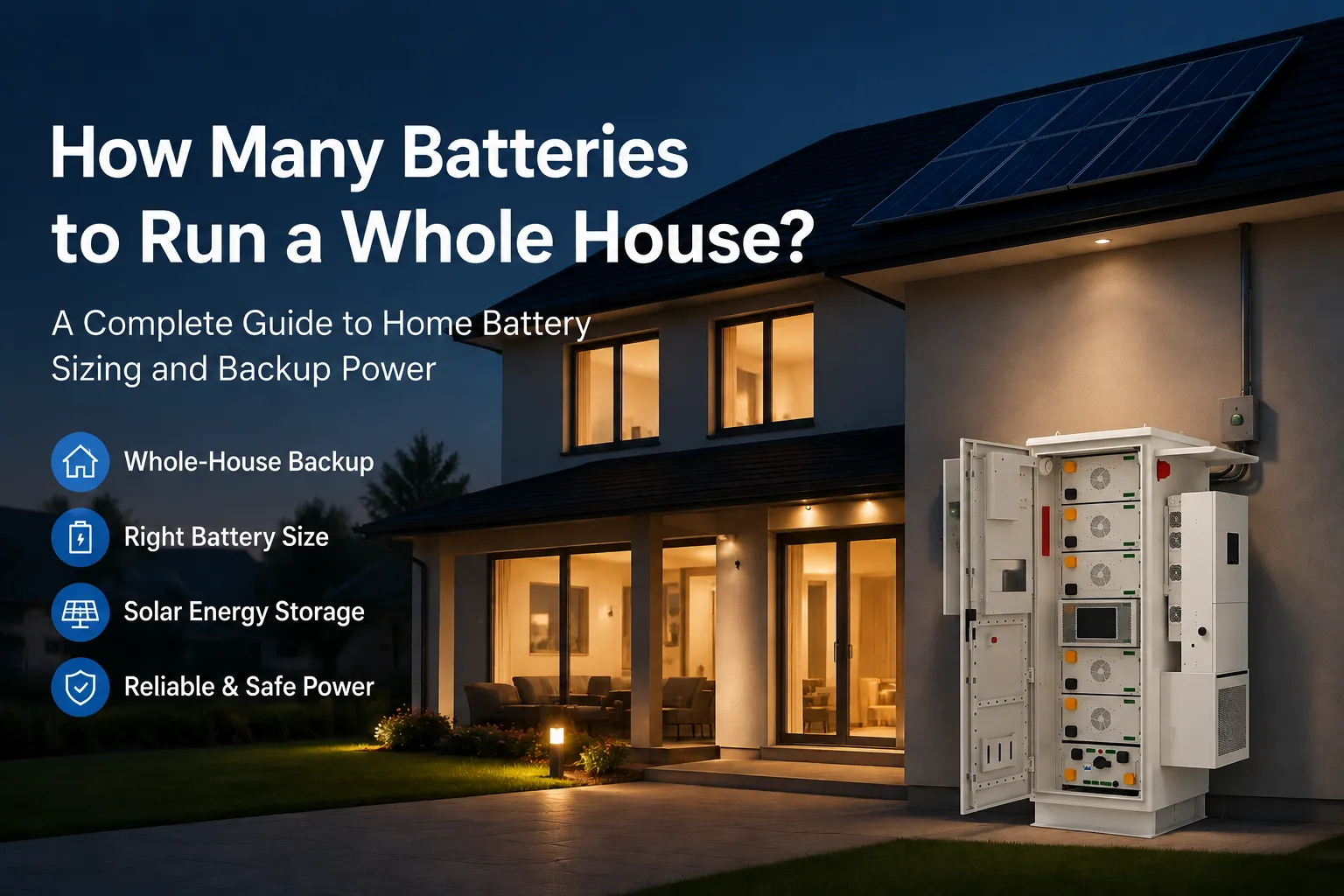
One of the first questions homeowners ask when considering solar storage or backup power is: How many batteries to run a whole house? It sounds like a simple question, but the answer is different for every home. A battery system that works well for a small house with basic backup needs may not be enough for a larger property running air conditioning, electric heating, or an EV charger.
How Many Batteries to Run a Whole House? A Practical Home Battery Sizing Guide
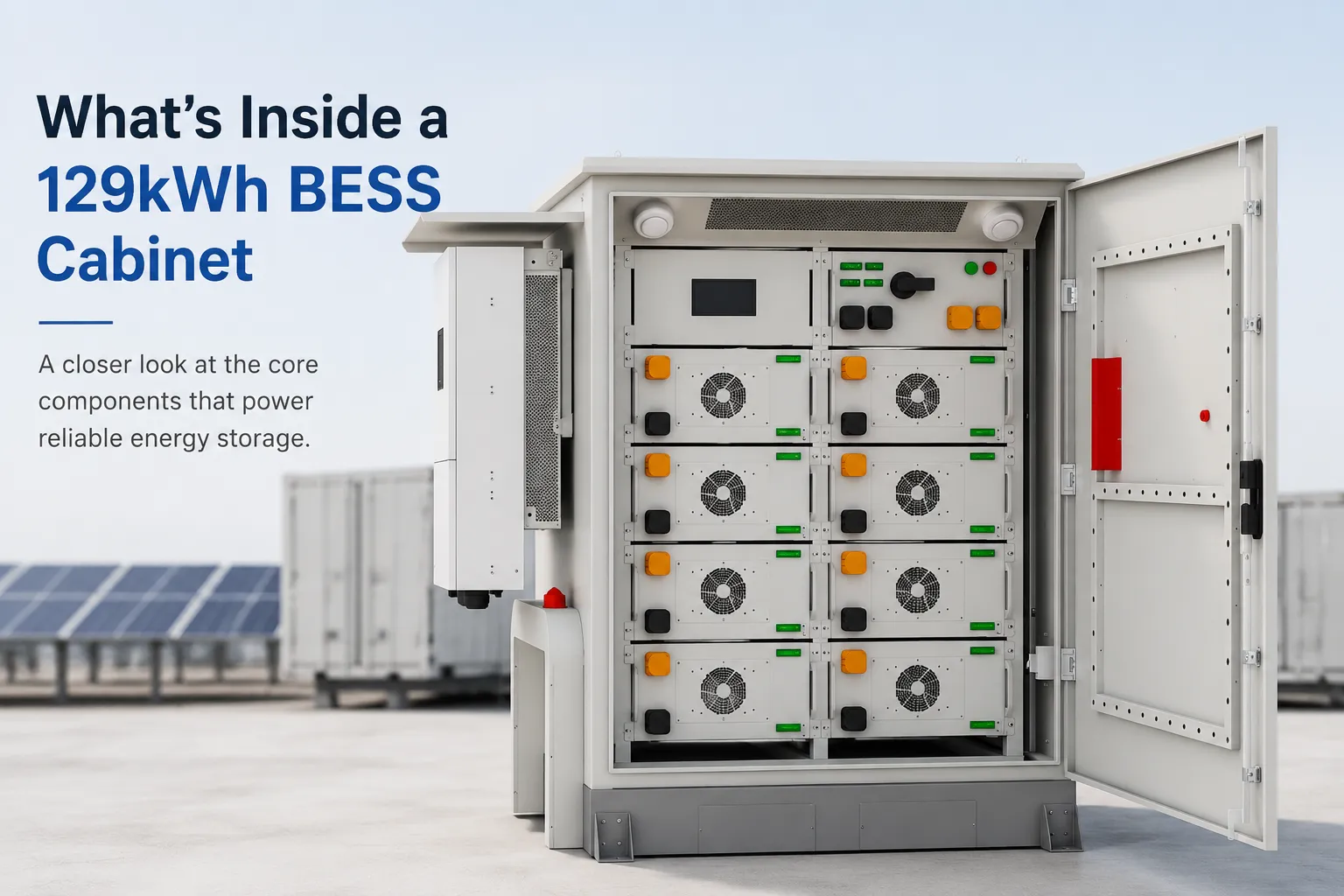
A typical 129kWh BESS cabinet contains much more than battery cells. Inside the enclosure, multiple systems work together, including battery modules, Battery Management System (BMS), high-voltage protection units, Energy Management System (EMS), cooling equipment, fire protection devices, and communication components. Each part has a specific role in maintaining safe and stable energy storage operation.
What's Inside a 129kWh BESS Cabinet? A Complete Breakdown of Internal Components
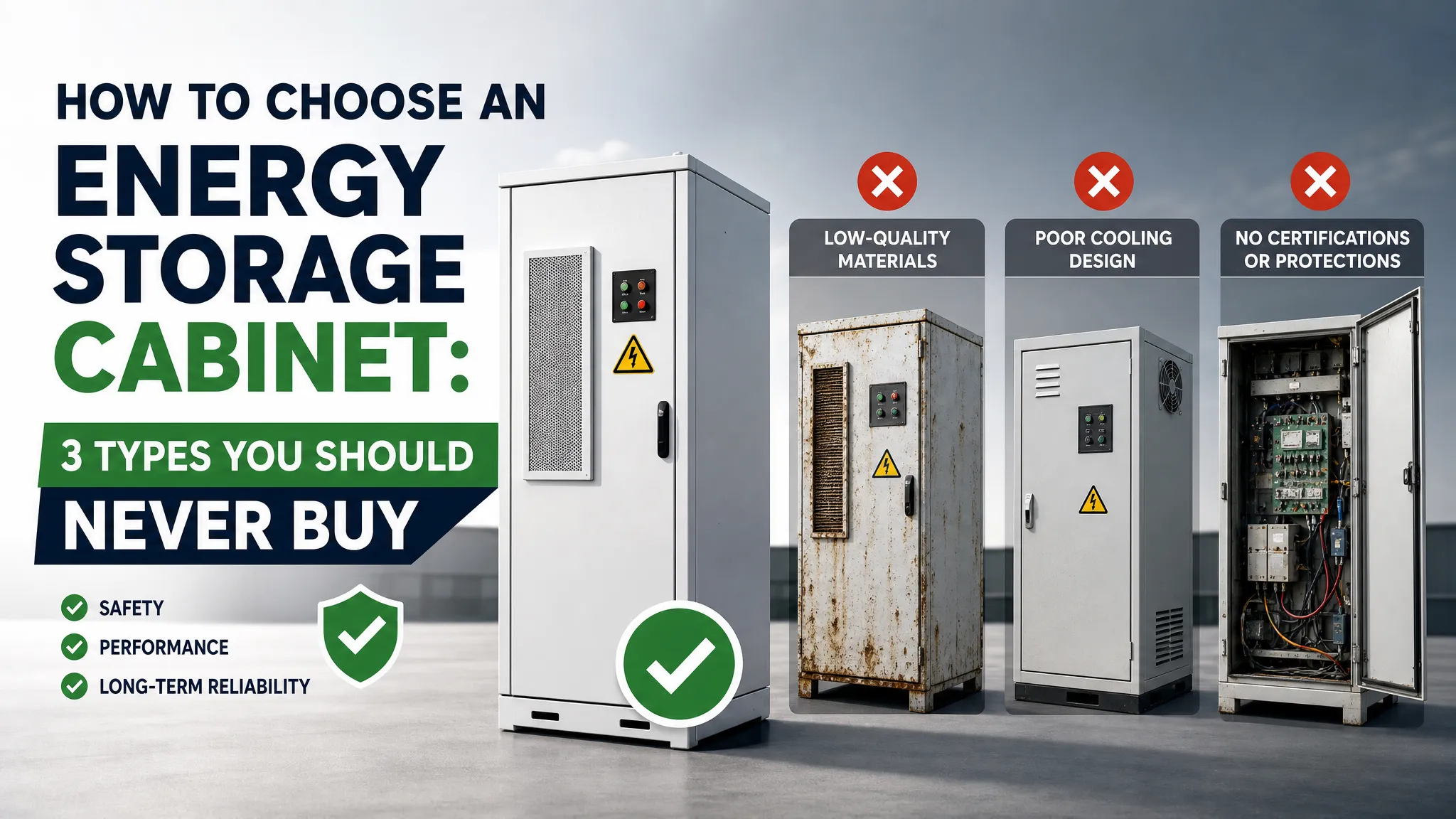
When sourcing a Battery Energy Storage System (BESS), most buyers obsess over cell capacity, inverter brands, and price per kilowatt-hour. The enclosure? It’s usually an afterthought—treated as a simple metal box. That is a massive financial and operational mistake.
How to Choose an Energy Storage Cabinet: 3 Types You Should Never Buy