How to Choose an Energy Storage Cabinet: 3 Types You Should Never Buy
When sourcing a Battery Energy Storage System (BESS), most buyers obsess over cell capacity, inverter brands, and price per kilowatt-hour. The enclosure? It’s usually an afterthought—treated as a simple metal box. That is a massive financial and operational mistake. The energy storage cabinet dictates your system’s safety, structural baseline, thermal balancing, and overall ROI.
For commercial and industrial (C&I) projects scaling up to 1000V DC, the enclosure is a highly active piece of safety engineering. This deep dive cuts through supplier marketing fluff to expose three fatal cabinet designs you must avoid, critical electrical realities, and how to select an enclosure that keeps your project operational and your warranty intact.
How to Choose an Energy Storage Cabinet
What a BESS Cabinet Actually Does
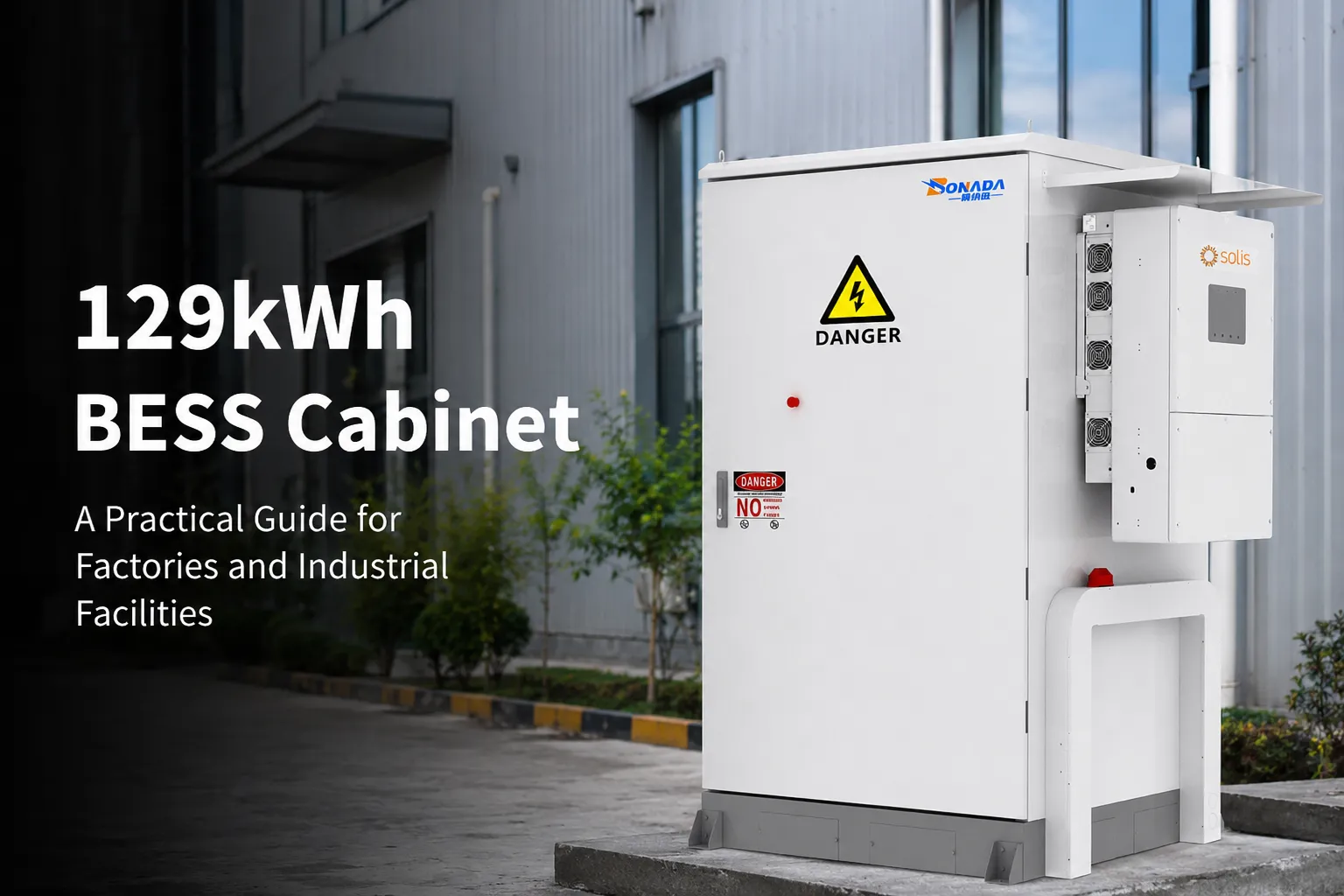
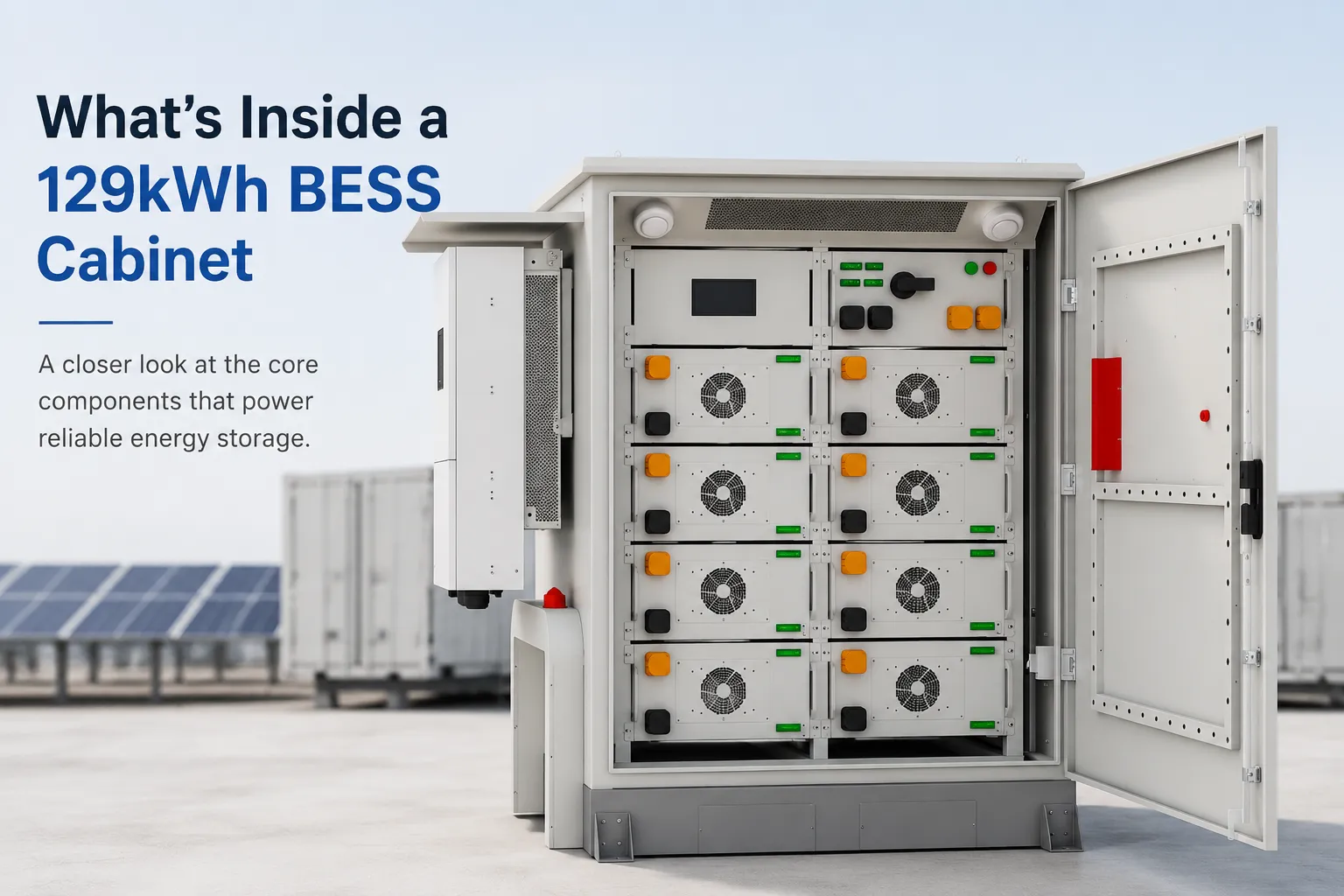
An energy storage cabinet is the tactical tactical frontline of your BESS. It synchronizes heavy-duty battery modules, the Battery Management System (BMS), switchgear, thermal management components, and smart fire suppression into a single, localized environment. It seals out harsh ambient threats while balancing intense internal electrical loads.
Unlike standard generic electrical racks, a dedicated battery cabinet must handle rapid thermal shifts, massive weight distribution, high-current operation, and strict localized containment during regular charge and discharge cycles.
Thermal Uniformity: The Key to Battery Longevity
Lithium-ion cells are notoriously temperamental about heat. If your cabinet creates stagnant pockets of air, different modules will age at different rates. This thermal imbalance creates capacity bottlenecks, kills the system’s cycle life, and triggers premature warranty claims. A premium enclosure does not just "contain" heat; it forces precision airflow to keep cell temperature differentials down to a tight, safe margin.
Three BESS Cabinets You Should Never Buy
From the outside, cheap sheet-metal boxes and premium engineered cabinets look nearly identical. Inside, the engineering standards are worlds apart. For any serious C&I project, buying the following three cabinet profiles is a catastrophic risk.
① Non-Certified Boxes with Zero Internal Fire Suppression
Fire safety isn’t an optional add-on or a checkbox for later. Enclosures that lack factory-integrated smoke detection, thermal sensors, and automated clean-agent or aerosol suppression systems are a liabilities. Retrofitting fire loops into a live, fully populated 1000V array after installation is an engineering nightmare that triggers massive downtime and skyrocketing costs. Insist on proven thermal runaway containment from day one.
② "Hot Boxes" with Restrictive Airflow and Thermal Engineering
Stagnant internal air accelerates battery degradation. Low-cost cabinets often feature basic fans, restrictive intake vents, or zero internal duct routing. When internal resistance spikes during peak load, temperatures climb rapidly, dragging down charging efficiency. For outdoor installations exposed to shifting solar loads, demand optimized airflow patterns backed by clear CFD (Computational Fluid Dynamics) verification.
③ Under-Sized Cabinets Lacking Proper Clearance and Load Capacity
Saving money by shrinking the physical cabinet footprint is a classic trap. Tight spaces force sharp cable bends, crushed wiring harnesses, and blocked air pathways. More importantly, operating at high DC voltages requires strict clearance and creepage distances to prevent high-voltage arcing. Structurally, if a flimsy frame warps under the deadweight of high-density battery banks, the physical integrity of the entire site is compromised.

Hidden Risks: Grounding, EMC, and Financial Loss
Arcing, Signal Noise, and Communication Failures
Low-grade integration cuts corners on heavy-duty grounding busbars and proper Electromagnetic Compatibility (EMC) shielding. When an industrial inverter starts switching, it generates heavy electrical noise. Without adequate shielding inside the cabinet, this noise disrupts critical communication between the BMS and the EMS, resulting in ghost faults, unexpected shutdowns, and corrupted telemetry data.
The Real Financial Toll of Cheap Gaskets
If door seals and cable glands degrade after twelve months of UV and moisture exposure, your IP54 or IP55 rating vanishes. Moisture ingress creates microground faults and insulation breakdowns. A cabinet that fails to maintain its environmental seal will dramatically cut your battery lifespan, forcing expensive cell replacements long before the project pays for itself.
The Sourcing Checklist: Getting Selection Right
Lithium vs. Lead-Acid Requirements
- Lithium-ion (LiFePO4): Demands precision cell-level thermal tracking, automated localized multi-tier fire loops, and tight environmental sealing.
- Lead-Acid: Requires continuous, heavy-duty upward ventilation to safely exhaust explosive hydrogen gas during high-rate boost charging.
Enclosed Cabinets vs. Open Racks
Open racks belong exclusively in climate-controlled, restricted-access utility clean rooms. For any factory floor, outdoor yard, or dusty industrial environment, fully enclosed, IP-rated cabinets are mandatory to prevent dust contamination and unauthorized tampering.
Structural Rigidity and Seismic Certification
Industrial battery arrays are incredibly heavy. Cabinet frames must be fabricated from heavy-gauge structural steel. If your project sits in a known seismic zone, the anchoring footprints and internal bracing must be certified to withstand localized ground acceleration without flexing.
Field Realities: Commissioning and Preventive Maintenance
Siting Blunders
Even a top-tier liquid-cooled cabinet will struggle if dropped in a dead-air sun zone, a flood-prone gravel low-point, or jammed against a wall with zero clearance for field technicians. Proper positioning ensures proper air intake baselines and safe maintenance corridors.
Active Telemetry: Catching Faults Early
Modern BESS enclosures must act as smart nodes. Real-time sensor arrays—monitoring door switches, internal humidity, hydrogen gas buildup, and ambient air temps—allow operators to isolate an anomalous rack long before a minor cell variance escalates into a critical thermal runaway event.
The O&M Realities
Industrial storage units are not "set-and-forget" appliances. Maximizing uptime requires straightforward preventive maintenance: checking connection torques on high-current terminals, swapping out air filters, testing automated fire release valves, and inspecting door gaskets for weathering.
Friendly Reminder
A BESS cabinet is an essential piece of safety, thermal, and electrical performance engineering. Cutting corners on the enclosure risks your entire battery investment. By demanding robust thermal balancing, certified fire containment, and high-strength structural capacity, you protect your facility, ensure grid compliance, and lock in long-term project profitability.
Frequently Asked Questions About BESS Cabinets
1. Why is the battery cabinet important for a commercial energy storage system?
A BESS cabinet is more than a battery container. It provides thermal management, electrical protection, structural support, and safety control. A well-designed cabinet helps improve battery lifespan, system reliability, and overall project performance.
2. What risks come with choosing a low-cost BESS cabinet?
Low-cost cabinets may have poor thermal design, weak sealing, insufficient fire protection, and limited maintenance space. These issues can lead to faster battery degradation, higher downtime risks, and increased operating costs.
3. Should I choose an air-cooled or liquid-cooled BESS cabinet?
Air cooling is suitable for many small and medium C&I projects, while liquid cooling provides better temperature control for larger systems with higher energy density and frequent charge-discharge cycles.
4. What safety features should a reliable BESS cabinet include?
A reliable BESS cabinet should include BMS integration, temperature monitoring, fire detection, suppression systems, high-voltage protection, proper grounding, and suitable IP-rated protection.
5. How do I choose the right BESS cabinet supplier?
Choose a supplier with strong engineering capability, customization experience, system integration support, factory testing, and proven experience in commercial and industrial energy storage projects.
Need a Reliable BESS Cabinet Solution?
Choosing the right BESS cabinet impacts system safety, thermal performance, and long-term reliability. Bonada’s engineering team helps EPCs and industrial users design customized energy storage solutions with optimized cabinet configuration, thermal management, and project-specific requirements.
Discuss Your BESS Project NowWhat's Inside a 129kWh BESS Cabinet? A Complete Breakdown of Internal Components
What Does a BESS Factory Really Look Like? Inside a Real Manufacturing Facility
Related Article