What Does a BESS Factory Really Look Like? Inside a Real Manufacturing Facility
When people first ask what a BESS factory really look like, they usually imagine a simple assembly line with batteries being stacked into cabinets. In reality, that picture is far from accurate. A real battery energy storage manufacturing site is closer to a tightly controlled industrial engineering environment than a traditional factory floor.
A BESS factory really look like in practice is a combination of precision electronics production, thermal engineering, safety system integration, and long-cycle performance testing. Every small step—from cell selection to final system validation—directly affects how the system behaves in the field over 10 to 15 years.
In facilities like the Bonada production base, for example, the workflow is not just about assembling parts. It is about controlling consistency at scale: ensuring every battery module behaves the same, every rack has balanced thermal distribution, and every system passes full charge-discharge validation before leaving the factory.

What Does a BESS Factory Really Look Like?
Once you enter a real BESS manufacturing facility, the first noticeable difference is how segmented everything is. Instead of one continuous assembly line, the factory is divided into controlled engineering zones.
Core Production Zones
| Area | What Happens |
|---|---|
| Cell Incoming Inspection | Cells are tested for voltage consistency, internal resistance, and batch stability before acceptance. |
| Module Assembly | Cells are grouped, welded, and assembled into standardized battery modules. |
| Pack Integration | Modules are integrated into full battery packs with structured electrical architecture. |
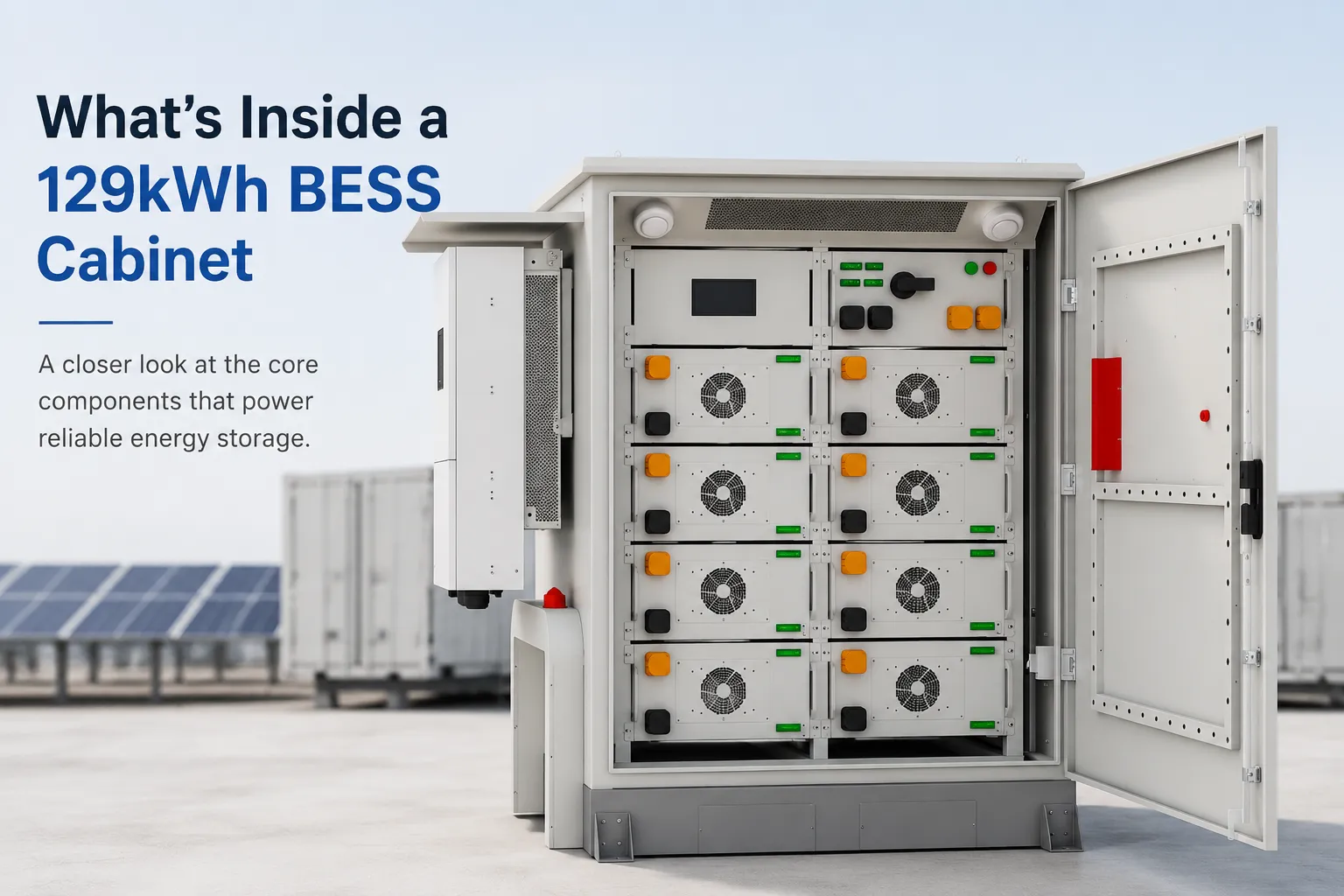
| System Integration | BMS, PCS, cooling, and fire protection systems are installed into cabinets or containers. |
| Testing Zone | Full system validation including cycling, insulation, and communication tests. |
Cell Matching: The Step Most People Never See
One of the least visible but most important parts of production is cell matching. Engineers spend significant time grouping cells with nearly identical performance curves. Even small differences in internal resistance can create imbalance over time.
In real production environments such as the Bonada factory workflow, this step is treated as foundational rather than optional. A weak cell in a strong pack will eventually become the limiting factor of the entire system.
System Integration and Engineering Assembly
After module assembly, the process shifts from electrochemical engineering to system engineering. This is where technicians install BMS wiring, PCS connections, HVAC systems, and fire suppression components.
At this stage, the factory starts to look less like electronics manufacturing and more like industrial power system engineering. Heavy racks, cable harnesses, and cooling ducts define the workspace.
Testing: Where Real Quality Is Decided
If there is one stage that defines whether a factory is serious or not, it is testing. A proper BESS facility does not simply power on a system and ship it out.
Instead, systems go through full load simulation, thermal stress testing, communication validation, and safety cutoff verification. This is where hidden issues—like uneven cooling or unstable SOC balancing—are discovered.
How to Choose a BESS Manufacturer
Understanding what a BESS factory really look like helps buyers ask better questions during supplier evaluation.
- Actual production capacity: Not marketing numbers, but real monthly output.
- Engineering depth: Ability to adjust system design, not just assemble parts.
- Testing discipline: Whether full system FAT is standard practice.
- Supply chain control: Stable sourcing of cells, PCS, and BMS components.
Factories with structured engineering processes tend to perform more consistently in long-term projects compared to pure assembly-focused operations.
Hidden Realities of BESS Manufacturing
1. Manual vs Automated Balance
Most factories are somewhere between full automation and manual assembly. The key difference is not whether automation exists, but how critical steps like welding and testing are controlled.
2. Thermal Design Is Often Underestimated
Real systems fail not because of cells, but because of heat distribution problems. Good factories spend significant effort on airflow simulation and thermal zoning.
3. Traceability Determines Long-Term Risk
Without full MES tracking, it becomes difficult to trace issues back to specific batches. High-level facilities assign IDs to every module and component for lifecycle tracking.
In more structured production environments like Bonada’s manufacturing line, traceability is treated as part of quality control rather than an optional feature.
Frequently Asked Questions
1. What does a real BESS factory actually look like inside?
A real BESS factory is not a single assembly line but a segmented engineering environment. It includes cell inspection zones, module assembly areas, system integration stations, and dedicated testing laboratories. Each stage is strictly controlled for temperature, humidity, and electrical safety. Advanced factories also use digital traceability systems to track every battery cell and module throughout production, ensuring consistency and quality from start to finish.
2. Why do BESS factories separate cell sorting and system assembly?
Cell sorting ensures that only batteries with closely matched voltage and internal resistance are grouped together. This is critical because even small inconsistencies can cause imbalance in large battery systems. By separating this stage from system assembly, manufacturers reduce long-term degradation risks and improve overall system stability and lifespan.
3. What is the most important process inside a BESS factory?
The most important process is system testing and validation. Before shipment, full systems undergo charge-discharge cycling, thermal stress testing, insulation resistance checks, and communication protocol verification. These tests simulate real-world operating conditions to ensure the system performs safely and reliably once deployed in commercial or industrial projects.
4. How do factories ensure long-term reliability of energy storage systems?
Long-term reliability is achieved through a combination of engineering controls, including precise cell matching, automated welding processes, thermal design optimization, and full system-level testing. High-end manufacturers also implement MES traceability systems that record every production step, making it possible to trace any issue back to its exact source.
5. What are the biggest risks when a BESS factory lacks proper engineering control?
Without proper engineering control, several risks can appear, including uneven thermal distribution, poor cell balancing, inconsistent welding quality, and lack of traceability. These issues may not be visible during delivery but can lead to reduced efficiency, faster battery degradation, or even system failure during long-term operation in the field.
Friendly Reminder
Understanding what a BESS factory really look like helps clarify how much engineering work goes into a single energy storage system. It is not just assembly—it is a layered process involving electrochemistry, electrical engineering, thermal design, and system validation.
In practice, the difference between factories often comes down to discipline: how carefully cells are matched, how strictly systems are tested, and how well data is tracked across production stages.
Facilities such as Bonada’s manufacturing line reflect this engineering-first approach, where every system is treated as a long-term energy asset rather than a simple product. For buyers, this understanding is essential when selecting a reliable BESS partner for real-world projects.
Not Sure What Happens Inside a Real BESS Factory?
Understanding how a BESS system is built can make a big difference in choosing the right supplier. From cell matching and module assembly to full system integration and factory testing, every step impacts safety, performance, and lifespan. If you need clarity on specifications, design choices, or project feasibility, our engineering team can help you evaluate the right configuration based on real manufacturing practices.
Talk to Bonada Engineering TeamHow to Choose an Energy Storage Cabinet: 3 Types You Should Never Buy
How a 125kW/241kWh BESS Helps Businesses Reduce Energy Costs & Demand Charges
Related Article