What Is IREC Certificate for Solar Panels? Definition, Uses & Benefits
2025-05-21
The IREC Certificate (International Renewable Energy Certificate) is a globally recognized document for verifying solar panel-generated renewable energy use. Bonada explains what IREC certificates are, how they differ from other green certificates, their key uses (e.g., meeting corporate decarbonization goals), and why they matter for businesses using solar energy.

IREC Certification Definition
What Is IREC Certificate?
At present, there are 2 main categories of green certificates in the world: IREC Green Certificate and the APX Green Certificate. IREC is mainly applicable to across-about wind power, photovoltaic power and Hydropower, including subsidies and parity; APX is applicable to parity green certificates-such as a wind power and photovoltaic power certificates without subsidies. This article discusses IREC.
The IREC (International Renewable Energy Certificate) is an environmental rights certificate issued by the Netherlands-based NGO I-REC Standard. It documents and certifies that businesses consume renewable energy (including solar, wind, and hydropower), with 1 IREC = 1 megawatt-hour (1,000 kWh) of renewable electricity.
- Key Feature: It's recognized by RE100 (a global clean energy initiative with 350+ members like Apple, Google, and Coca-Cola), making it a universal standard for corporate renewable energy claims.
IREC vs. APX: Key Differences
RE100 is a global innovations initiative of global clean energy production, organized and managed jointly by the international non-profit climate organization TGC and a second non-profit interinternational organization the Carbon Disclosure Project CDP ( acknowledged in the Chinese market and issues distributed photovoltaic green certificates.) there are more than 350 members globally, ranging from APPLE, GOOGLE, FACEBOOK, COCACOLA, MICROSOFT, PHILIPS, GOLDMAN SACHS, TSMC etc.
| Feature | IREC Certificate | APX Certificate |
|---|---|---|
| Applicable Scenarios | Subsidized & parity renewable energy (solar, wind, hydropower) | Only parity renewable energy (no subsidies) |
| Global Recognition | Recognized by RE100; used in 50+ countries | Regional focus; less universal for global businesses |
| Target Users | Multinational corporations, global solar projects | Local/regional businesses with non-subsidized renewable energy |
IREC Certification Purpose
In 2001, The Netherlands took the lead in carrying out green certificate trading, and since then, more than 20 countries have done the same, including: the USA, Japan, the UK, France, Netherlands, Sweden, Denmark, Finland, Switzerland, Norway, Italy, Austria, Belgium, Canada, and Australia. Internationally, green certificate trading has generally been implemented as a an auxiliary policy instrument as part of a renewable energy quota system.
The global success stories reveal that promoting green power certificate trading and giving some necessary economic compensation to the power generator that generates clean energy using market-based methods is a positive measure for sustainable and positive development of the renewable energy sector and as a market based subsidy mechanism. Because of the international experience with matured type of solutions, our country was able to initiate voluntary green certificate trading since 2017. However, the trading market for green certificates in China is not active as well morbidly speaking. Furthermore and for price purposes, many domestic companies have also diverted to IREC global green certificates.
Actual benefits for enterprises
Abide by Government Renewable Energy Mandates
A number of countries (for instance, EU members, Japan) have mandates for companies to utilize a certain percentage of renewable energy in their operations—IRECs serve as the official evidentiary source for a company to comply with such mandates, thereby avoiding fines.
A number of countries (for instance, EU members, Japan) have mandates for companies to utilize a certain percentage of renewable energy in their operations—IRECs serve as the official evidentiary source for a company to comply with such mandates, thereby avoiding fines.
Meet Clean Energy Commitments of Their Supply Chain Partnership
Big brands (e.g., Apple, Coca-Cola) are demanding that their upstream suppliers utilize renewable energy. IRECs are official documents for suppliers to use to maintain their partnerships with these major brands.
Verify Carbon Mitigation and Participation in Carbon Markets
IRECs verify the carbon savings that come with the use of energy from solar installations—companies may utilize IRECs to participate in the global carbon marketplace (e.g., EU ETS) and may lower their carbon tax liabilities.
Create a Green Corporate Image
Being public about IREC ownership adds to a company’s brand reputation with consumers and investors concerned about the environment— data from 2024 research suggests that “78% of all global consumers prefer to buy brands focused on sustainability.”
Things to note when applying for IREC for solar companies
Project-based solar installations are subject to grid connections (or self-consumed like in Japan) and must comply to local regulations like no illegal energy generation within their jurisdiction.
Business Submissions:
- Business submissions typically consists of solar panel capacities along with solar power generation forecasting.
- All inquiries are submitted to I-REC and its local authorized agencies. There are also in-house sanity checks and third-party reviews to confirm the true origin of the renewable energy utilized in those business submissions.
- Based on the approved submissions the clients pay the IRECs and are able to manage these through the IREC accounts (1 IREC for every 1 MWh of solar power available at the client) on the authorized platforms.
In all business submissions of the described nature there are no other fees aside from the application payments. These are paid depending on the size of the submitted project, with estimates of the payments ranging from 0.1 to 0.3 USD, per IREC. Even considering these payments, these dollar values are often outweighed by the carbon savings and tax incentives gained in return.
IREC Certificate FAQ
Q1: Can I use IRECs for rooftop solar panels installed at my factory?
A1: Yes. As long as the rooftop solar system generates verifiable electricity (with metering data), you can apply for IRECs—this is a common practice for manufacturing enterprises to prove on-site renewable energy use.
Q2: How long is an IREC Certificate valid for solar energy?
A2: IRECs are valid for 1 year from the date of issuance. After that, they must be retired (i.e., no longer traded) once used to prove renewable energy consumption—this ensures no double-counting of environmental benefits.
Q3: What is an I-REC (International Renewable Energy Certificate) for electricity?
A3: I-RECs are international renewable energy certificates issued in over 50 countries and regions worldwide. Renewable Energy Certificates demonstrate and certify that businesses and organizations are using renewable energy. I-RECs provide transparency into the environmental efforts of companies and individuals and promote the adoption of renewable energy.
Q4: Why are I-RECs important?
A4: Since renewable energy emits very few greenhouse gases and contributes to decarbonization, we must ensure its adoption. I-RECs represent the environmental value of renewable energy (RE) electricity in the form of a certificate.
Q5: What are the criteria for issuing I-RECs?
Q5:Each country has different I-REC requirements. For example, Japan even issues I-RECs for self-consumption of electricity (including self-transmission).
Lithium vs Alkaline Batteries: Comparison of Pros, Cons & Which Is Better
What Happens If You Charge a Battery Directly with AC? Risks & Explanations
Related Article
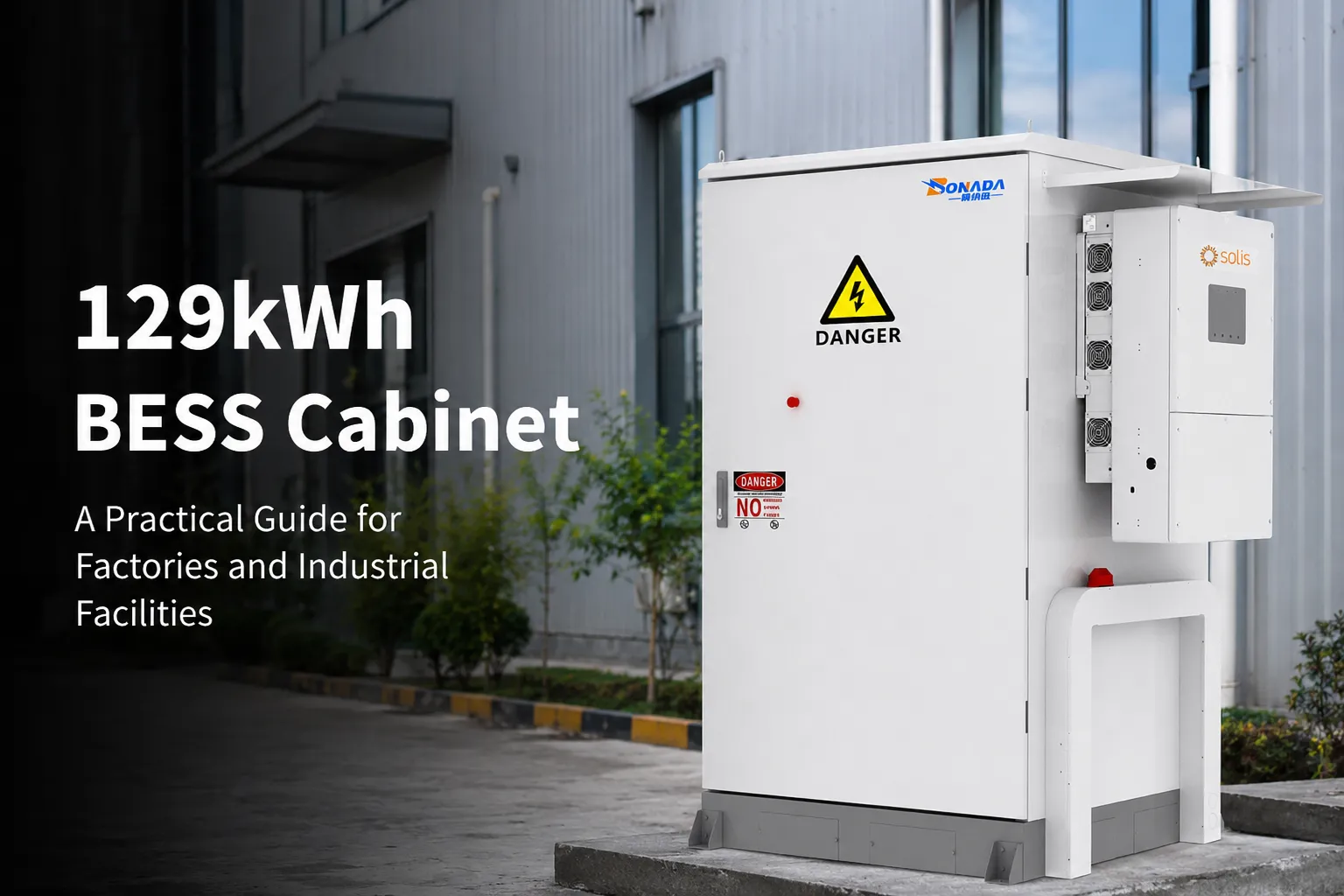
Electricity is one of the largest operating expenses for many factories. The problem is not always the total amount of electricity a facility consumes. In many markets, a factory can face significantly higher charges simply because its power demand reaches a high level for a short period.
129kWh BESS Cabinet: Complete Guide to Capacity, Components, Applications and Sizing
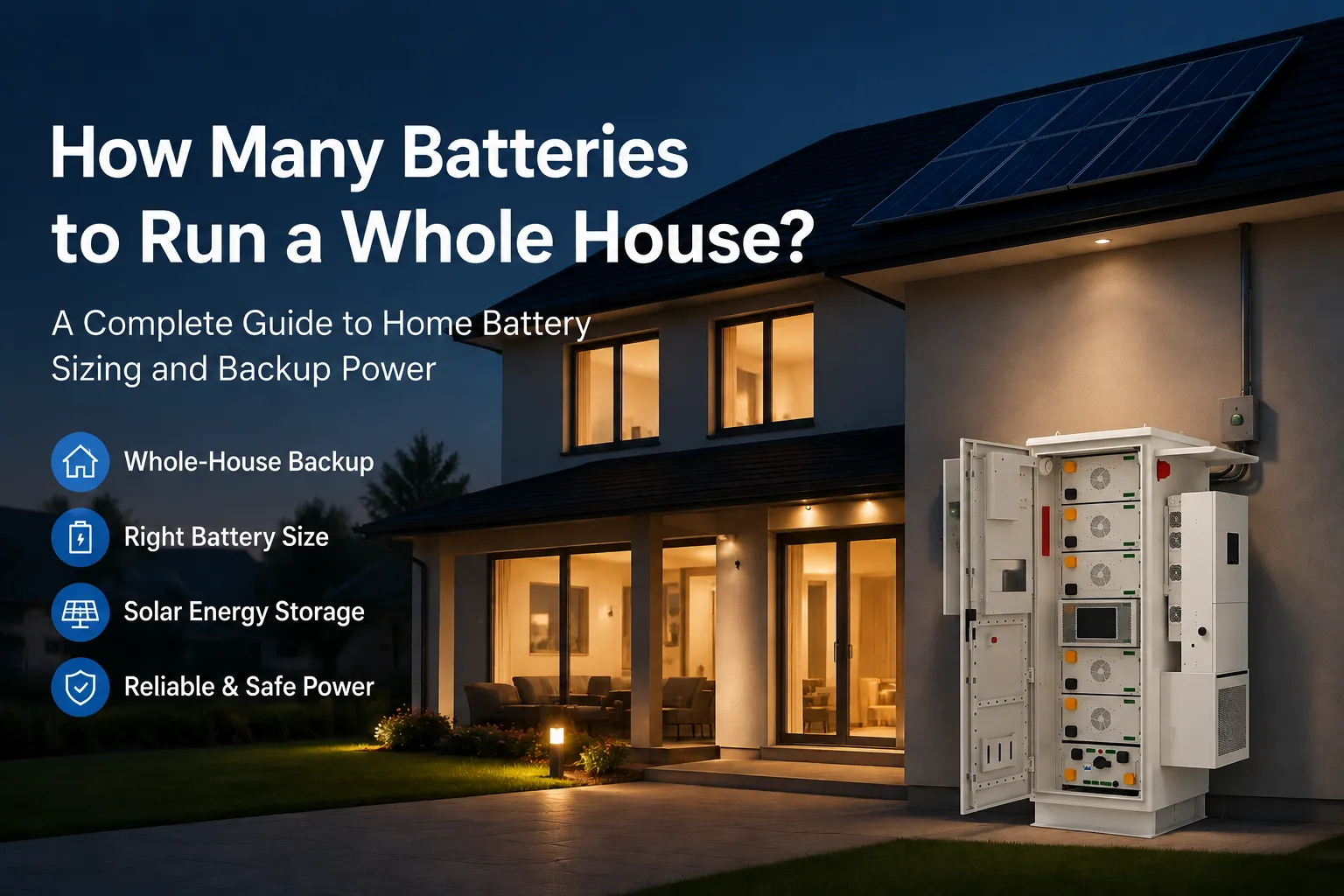
One of the first questions homeowners ask when considering solar storage or backup power is: How many batteries to run a whole house? It sounds like a simple question, but the answer is different for every home. A battery system that works well for a small house with basic backup needs may not be enough for a larger property running air conditioning, electric heating, or an EV charger.
How Many Batteries to Run a Whole House? A Practical Home Battery Sizing Guide
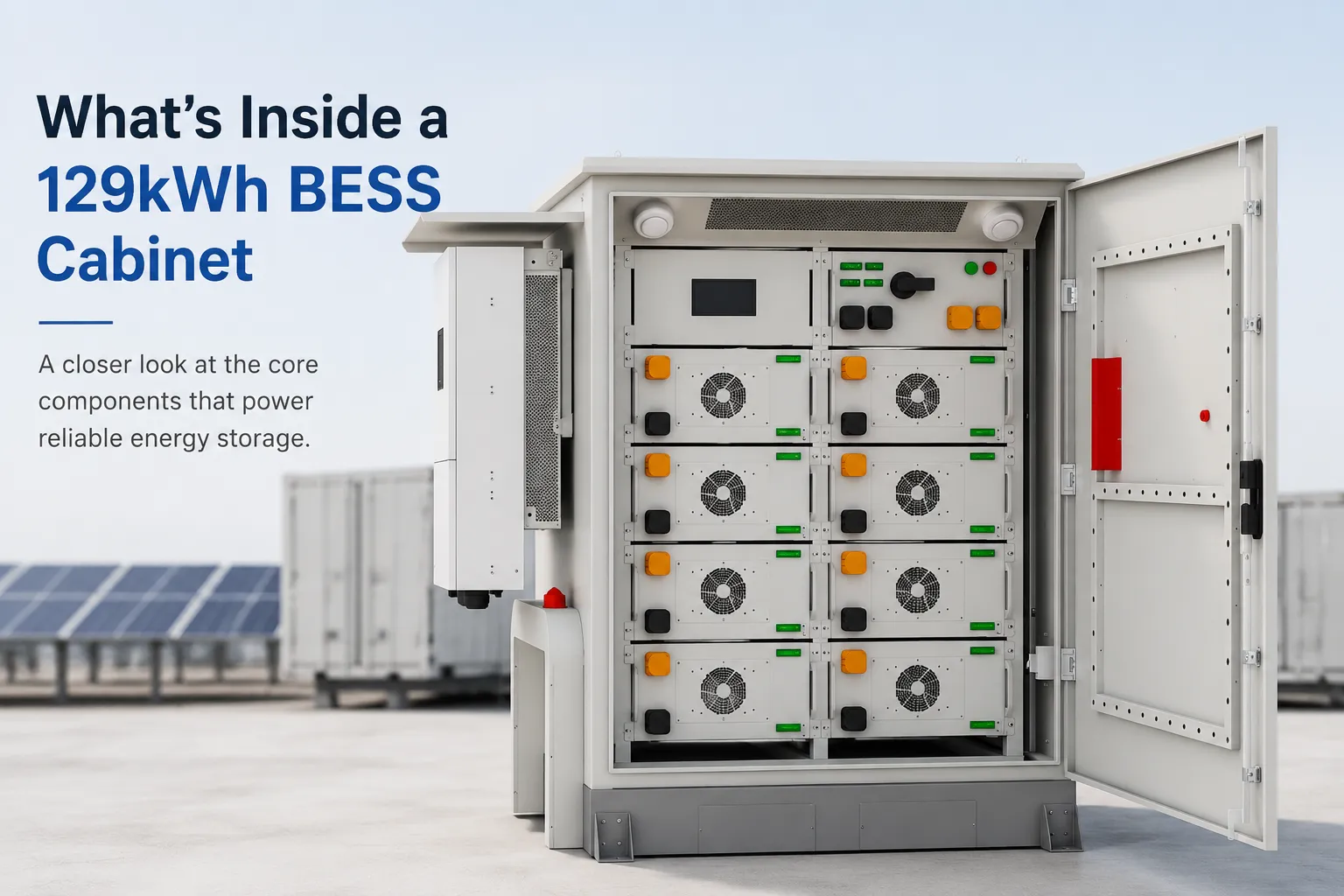
A typical 129kWh BESS cabinet contains much more than battery cells. Inside the enclosure, multiple systems work together, including battery modules, Battery Management System (BMS), high-voltage protection units, Energy Management System (EMS), cooling equipment, fire protection devices, and communication components. Each part has a specific role in maintaining safe and stable energy storage operation.
What's Inside a 129kWh BESS Cabinet? A Complete Breakdown of Internal Components
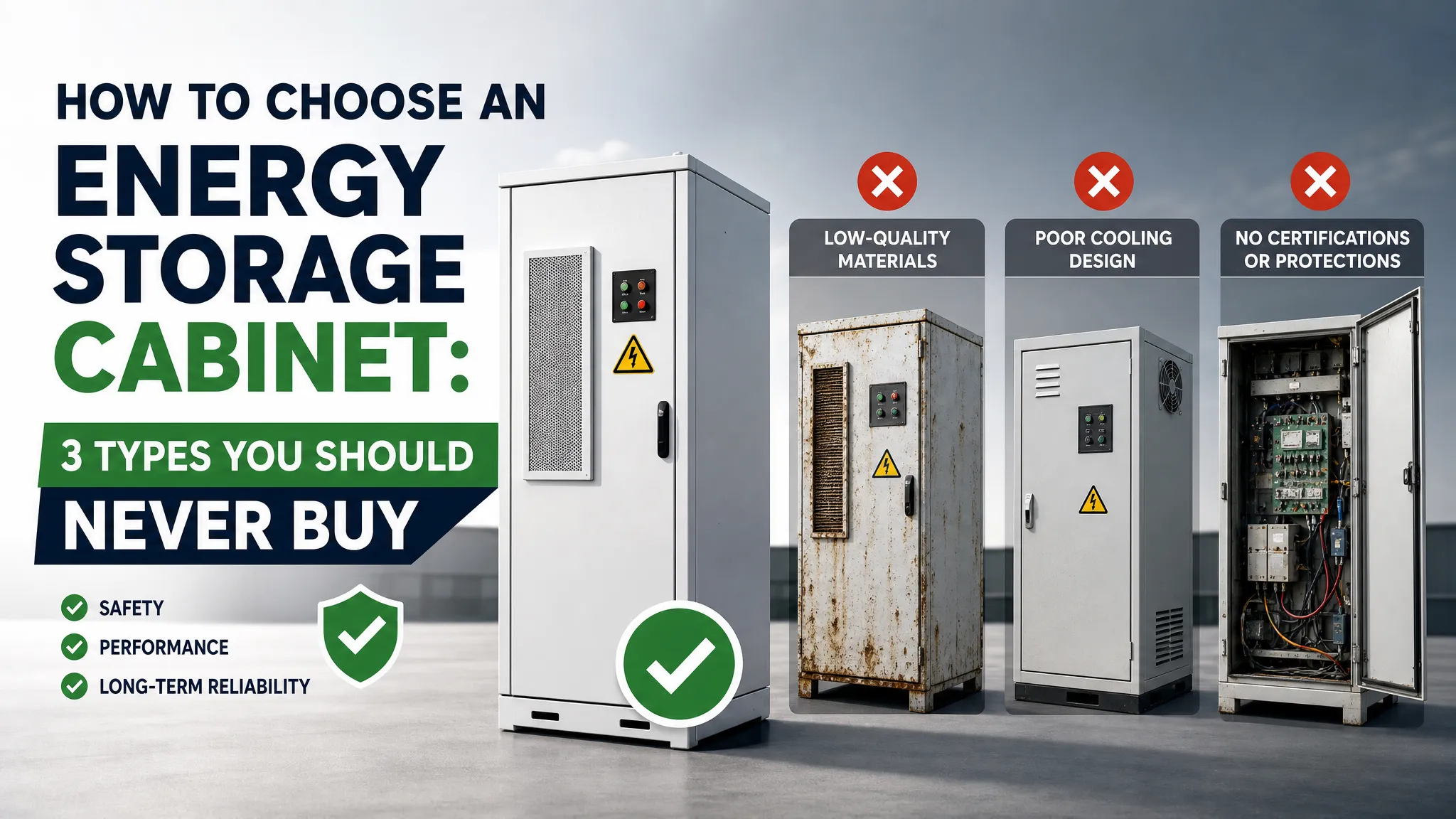
When sourcing a Battery Energy Storage System (BESS), most buyers obsess over cell capacity, inverter brands, and price per kilowatt-hour. The enclosure? It’s usually an afterthought—treated as a simple metal box. That is a massive financial and operational mistake.
How to Choose an Energy Storage Cabinet: 3 Types You Should Never Buy