
How are solar panels rated
2025-06-20
In the photovoltaic industry, photovoltaic modules are the core part, and their performance and quality play a vital role in the overall operating efficiency and life of the power station. Modules are divided into three categories according to quality levels: A, B and C. This classification directly affects the performance, service life and applicable scenarios of the modules. Then Bonada will reveal the secrets for you in detail.

How are solar panels rated:
Appearance and quality standards
Grade A modules: represent the highest quality standards, and no visible defects are allowed on the surface of the cell and the overall package. Specifically, Grade A modules must completely avoid the following defects:
- Poor appearance of the cell: color spots, color difference, aluminum thorns, bulges, broken grids, nodes, graphic offset, missing corners, broken edges, gaps, etc.;
- Module packaging defects: backplane failure, cell cold welding or over-welding, poor sealing, backplane scratches, frame scratches, glass scratches, poor junction box packaging, etc.;
- The inspection process must be fully visually inspected by professionals under an illumination of no less than 1000lux, and any minor defects will lead to downgrade.
Class B modules: There are slight to moderate appearance defects, but the basic electrical performance can still meet the needs of some applications. Common problems include slight color difference, small area printing defects or subtle packaging problems. Although they do not affect the initial use, these defects may cause the performance of the modules to deteriorate faster in long-term operation.
Class C modules: There are serious appearance defects, such as large-area virtual printing, edge collapse, grid line detachment or obvious contamination. This type of module is often accompanied by physical damage to the cell, such as missing corners, cracks or severe discoloration, and belongs to the lowest quality level.
Electrical performance and certification requirements
Class A modules: Not only are they perfect in appearance, but their electrical performance parameters must also fully comply with international standards (such as IEC 61215, IEC 61730, UL 1703). They undergo complete standard test conditions (STC) verification to ensure that the nominal power is accurate and reliable. More importantly, Class A modules have an extremely low annual attenuation rate (about 0.7%), ensuring that the power output can still remain above 80% of the initial value after 25 years.
Class B components: electrical performance parameters may be slightly lower than Class A standards, or may not fully pass all certification test items. Although they may meet basic power generation functions, they have poor power consistency, unstable attenuation curves, and cannot ensure long-term reliable operation.
Class C components: There are serious electrical performance defects, usually without a complete certification process, or multiple key indicators do not meet the standards. Such components are often made of recycled materials or defective cells, and the initial efficiency is significantly low, and the attenuation rate is extremely fast, and the life span is unpredictable.
Material and process quality
Class A components: Made of new high-quality materials and fully automatic production lines, the cells are derived from Class A silicon wafers from regular channels. The backplane, EVA film, glass and frame all meet the highest industry standards to ensure 25 years of weather resistance. The production process is strictly controlled, and parameters such as lamination temperature, vacuum degree and curing time are all in the best state to prevent any bubbles or delamination.
Class B components: Downgraded cells or partially recycled materials may be used, and the production process control is relatively loose. Although the appearance may be close to Grade A, there are hidden dangers at the microscopic level, such as insufficient cross-linking or decreased adhesion, which may lead to yellowing of the back panel, snail pattern or delamination during long-term use.
Grade C components: Usually assembled by hand from discarded cells and low-quality auxiliary materials, with rough workmanship and lack of quality control. Key components such as junction boxes and connectors may use non-certified products, which poses serious safety hazards. Such components often have no formal production records and traceability.
What are solar shingles
Solar Panel System Diagram: Types, Components & How It Works
Related Article
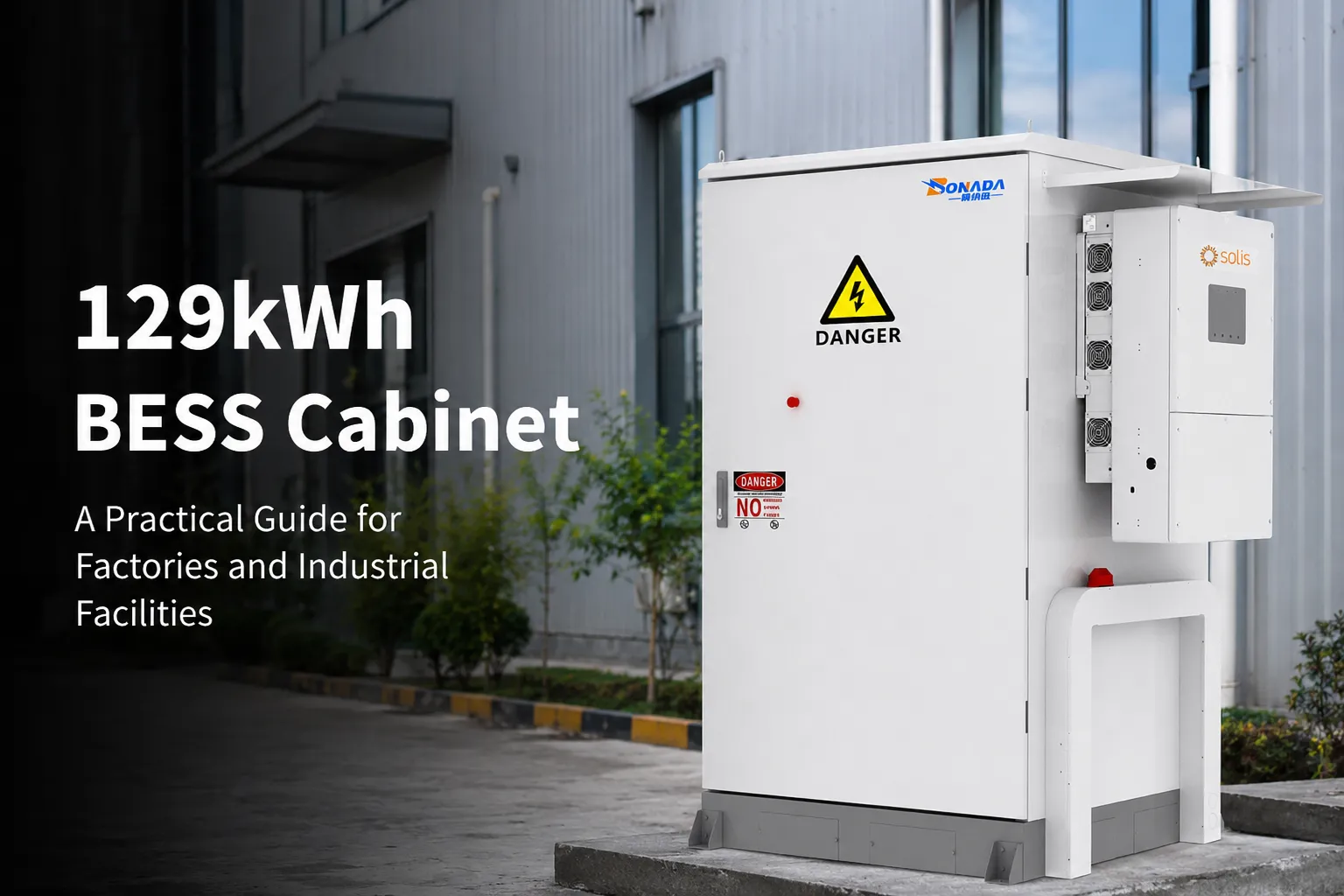
Electricity is one of the largest operating expenses for many factories. The problem is not always the total amount of electricity a facility consumes. In many markets, a factory can face significantly higher charges simply because its power demand reaches a high level for a short period.
129kWh BESS Cabinet: Complete Guide to Capacity, Components, Applications and Sizing
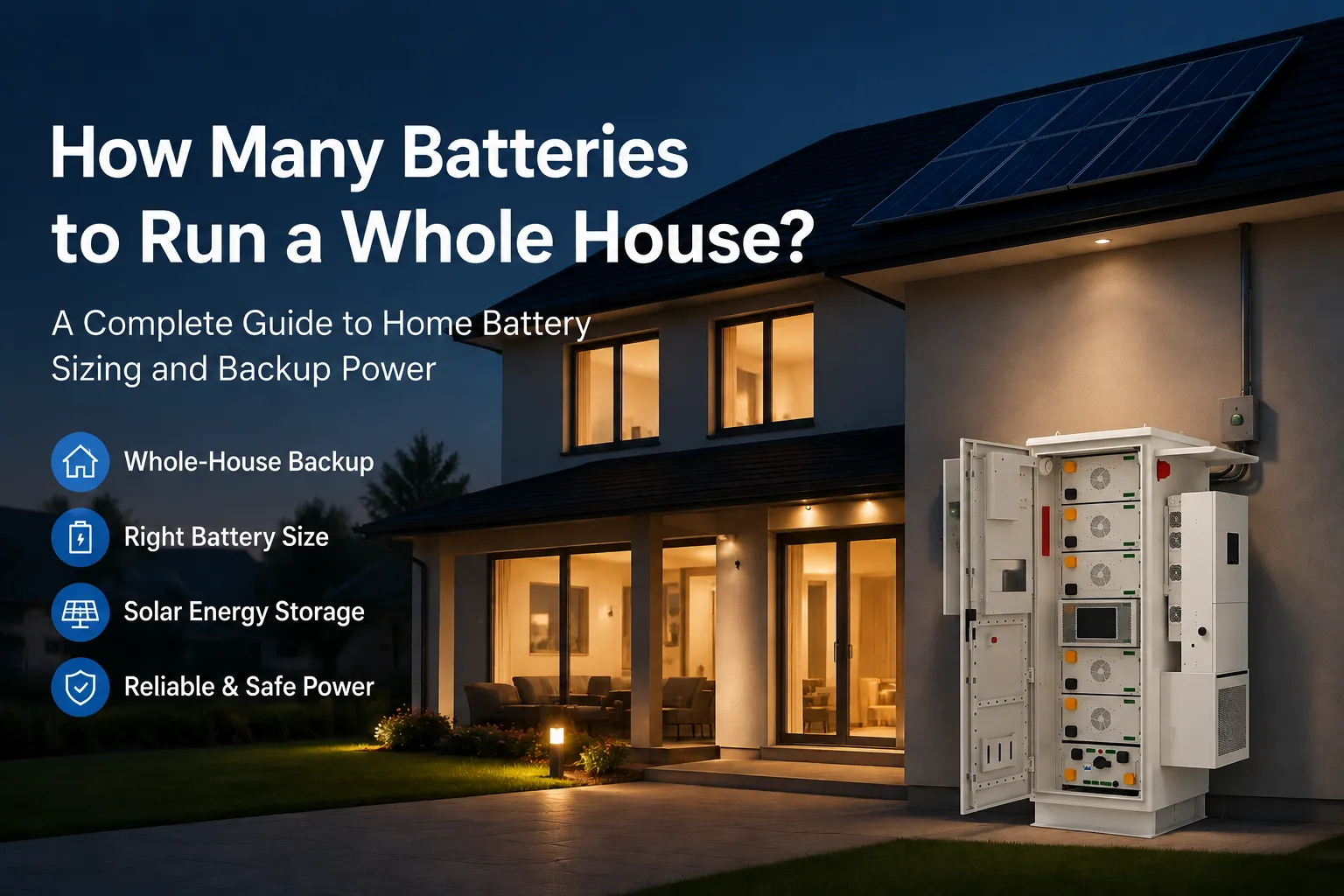
One of the first questions homeowners ask when considering solar storage or backup power is: How many batteries to run a whole house? It sounds like a simple question, but the answer is different for every home. A battery system that works well for a small house with basic backup needs may not be enough for a larger property running air conditioning, electric heating, or an EV charger.
How Many Batteries to Run a Whole House? A Practical Home Battery Sizing Guide
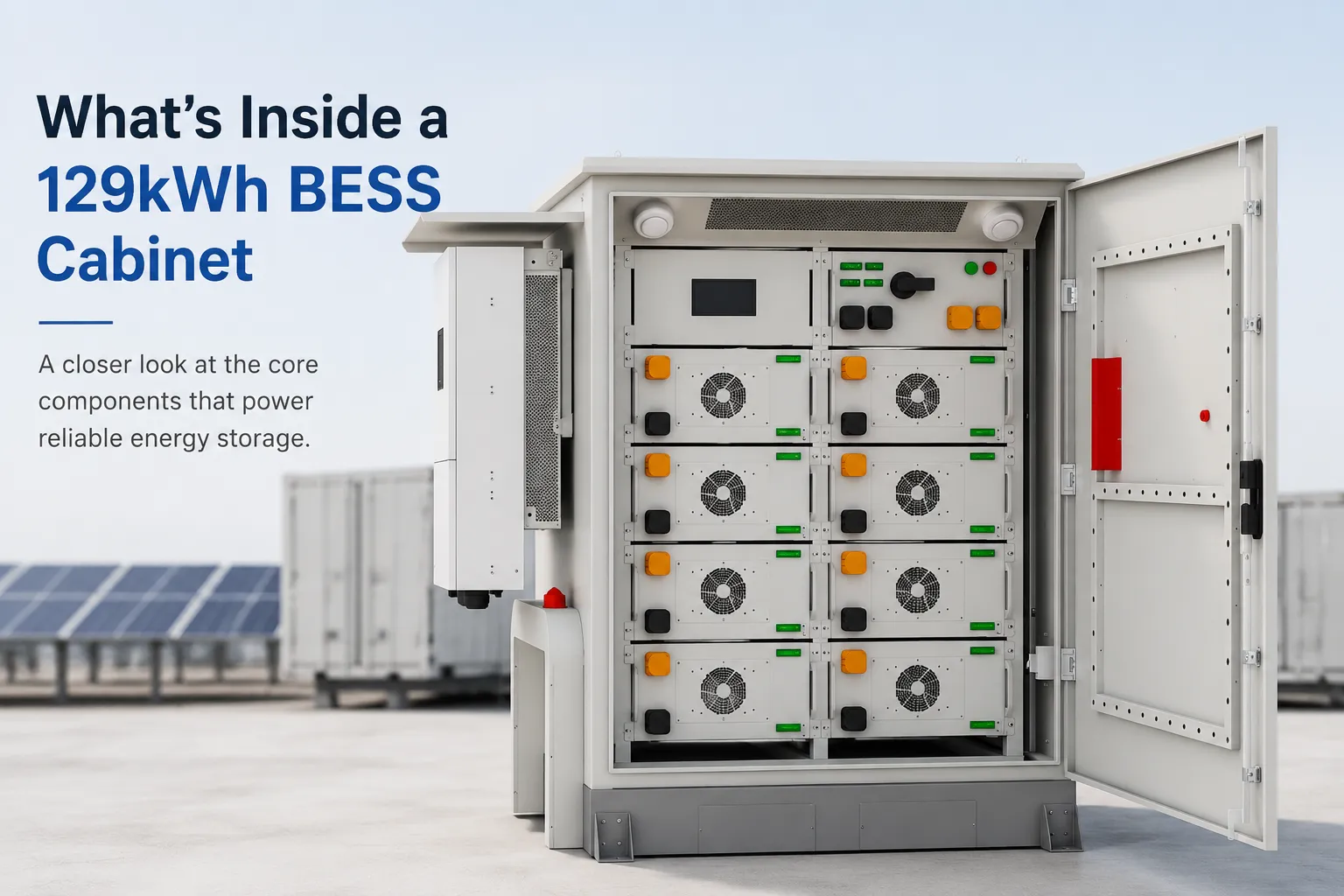
A typical 129kWh BESS cabinet contains much more than battery cells. Inside the enclosure, multiple systems work together, including battery modules, Battery Management System (BMS), high-voltage protection units, Energy Management System (EMS), cooling equipment, fire protection devices, and communication components. Each part has a specific role in maintaining safe and stable energy storage operation.
What's Inside a 129kWh BESS Cabinet? A Complete Breakdown of Internal Components
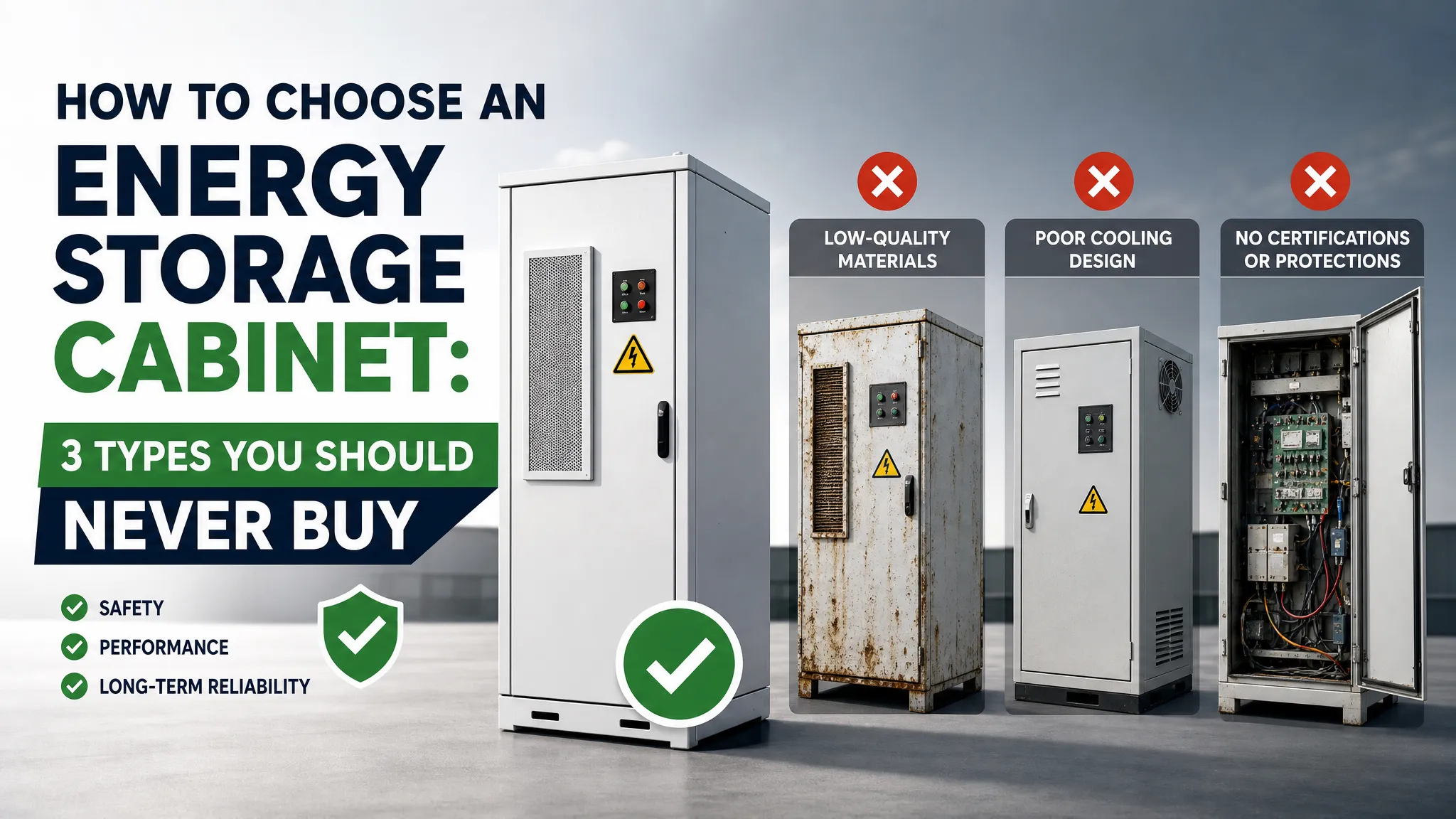
When sourcing a Battery Energy Storage System (BESS), most buyers obsess over cell capacity, inverter brands, and price per kilowatt-hour. The enclosure? It’s usually an afterthought—treated as a simple metal box. That is a massive financial and operational mistake.
How to Choose an Energy Storage Cabinet: 3 Types You Should Never Buy