How a 125kW/241kWh BESS Helps Businesses Reduce Energy Costs & Demand Charges
Rising electricity prices, punishing peak demand charges, and ongoing grid reliability concerns are forcing commercial and industrial operations to rethink their energy strategy. For facility owners, manufacturers, and logistics warehouse operators, looking into commercial battery storage is no longer just a technical experiment—it is a direct way to protect bottom-line profitability.
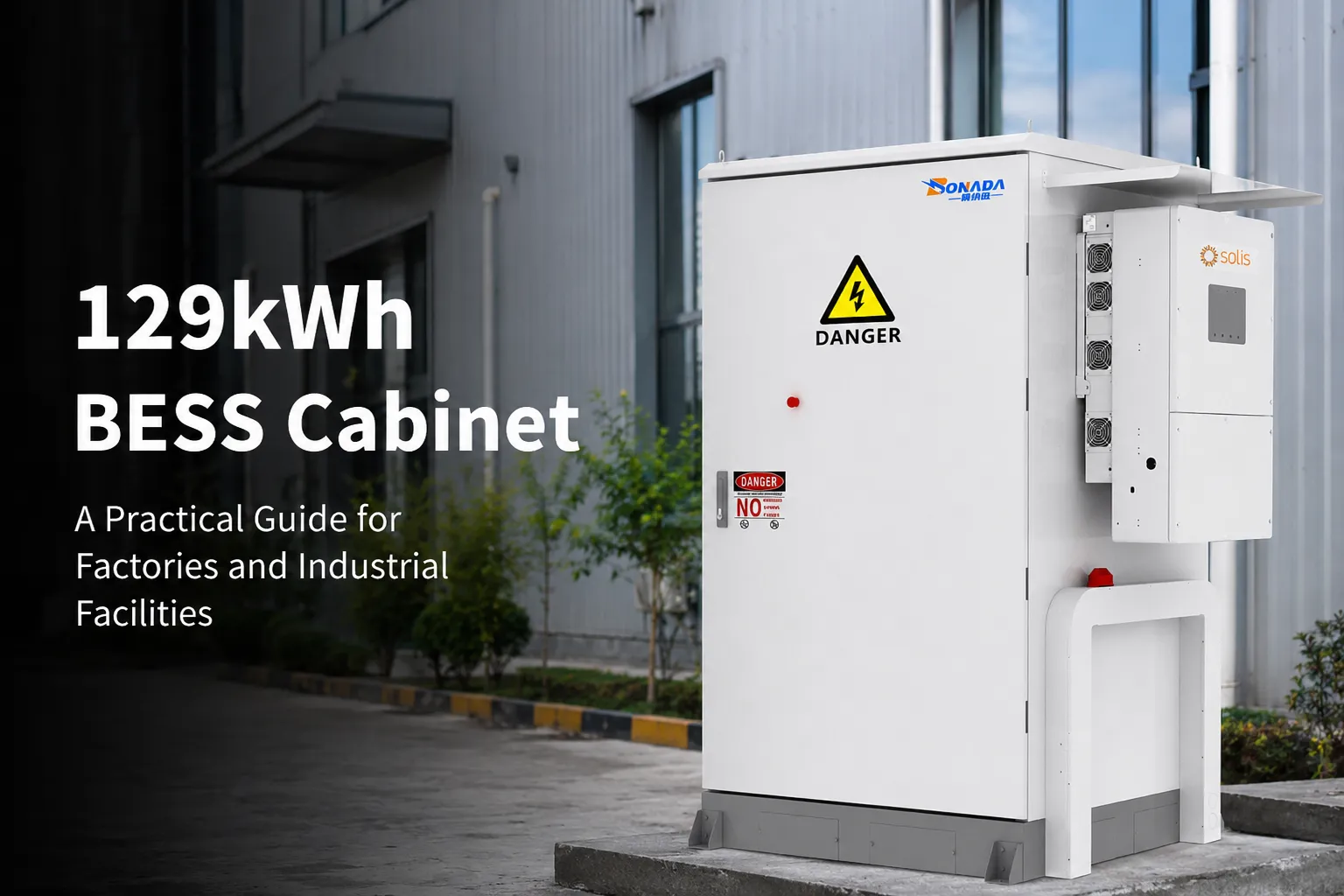
A 125kW/241kWh Battery Energy Storage System (BESS) acts as a flexible energy buffer. It stores electricity when rates are low (or when your solar panels are overproducing) and dispatches that power back to your facility when utility rates spike.
Let’s break down exactly how this specific configuration cuts down your monthly utility bills and where the hidden financial returns are located.
125kw 241kwh bess commercial energy savings
Understanding the Hardware: What Is a 125kW/241kWh BESS?
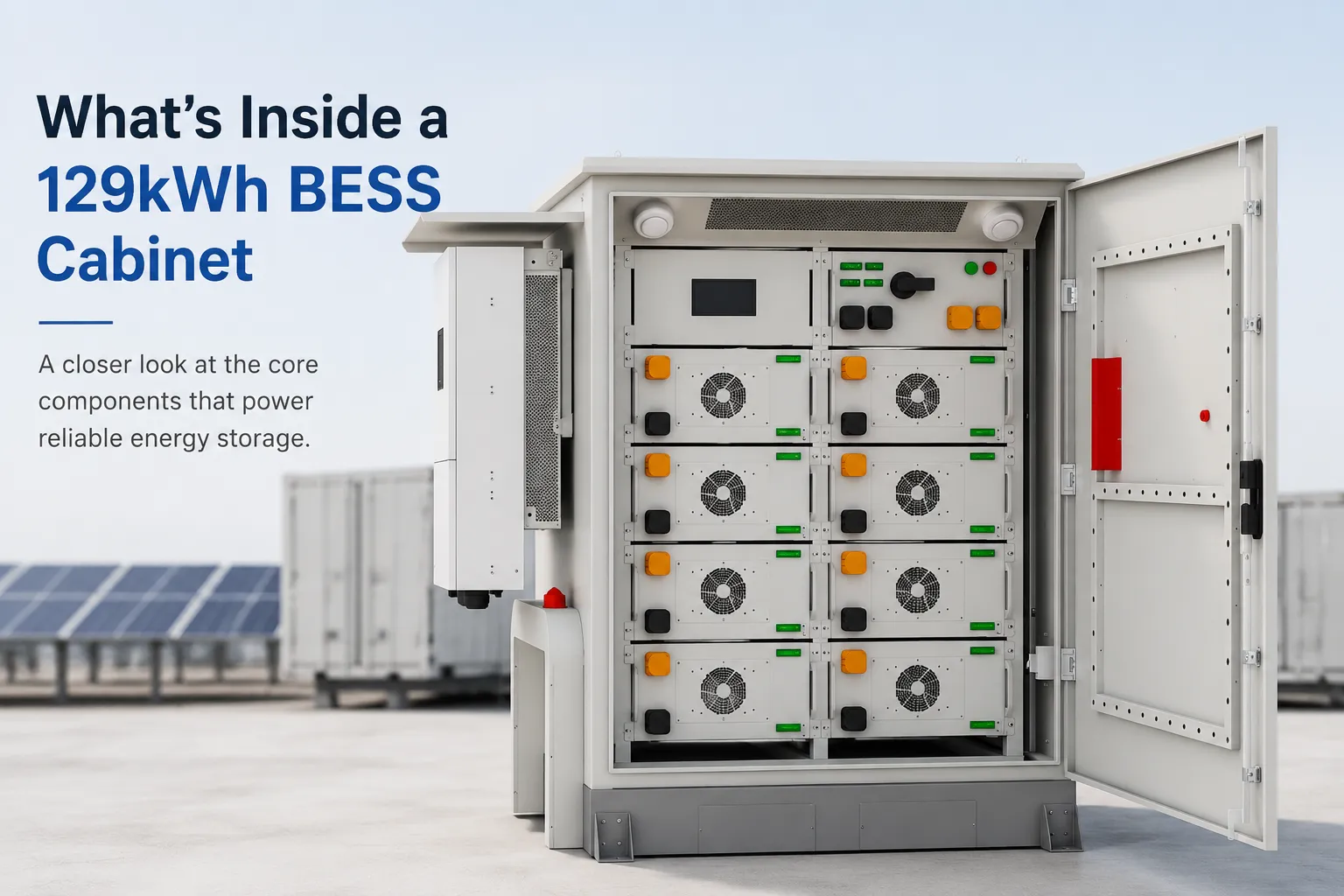
Before diving into the ROI, it helps to understand what these numbers mean in a real-world setup. This system pairs a specific power delivery rate with a defined storage volume, typically running on ultra-stable LiFePO4 chemistry.
| Specification | Value / Application Details |
|---|---|
| Power Output (Max Speed) | 125 kW |
| Energy Capacity (Total Storage) | 241 kWh |
| Battery Chemistry | LiFePO4 (Lithium Iron Phosphate) |
| Core Applications | Factories, Large Warehouses, Agriculture & Commercial Complexes |
| Full-Load Discharge Duration | ~1.9 Hours (Longer when running partial critical loads) |
| Grid Compatibility | On-grid / Off-grid / Hybrid flexibility |
Think of the 125kW rating as how fast the battery can push power out into your building at any given moment, while the 241kWh rating is the total size of the tank. For medium-sized industrial operations, this is often the "sweet spot" for balancing upfront cost with meaningful demand reduction.
Peak Shaving: Flattening Your Highest Expenses
For most commercial operations, demand charges—fees based on the single highest 15-minute spike in usage—can account for up to 50% of the entire monthly electric bill. This is where a BESS delivers its fastest payback.
When your plant kicks on heavy machinery or cooling systems and facility demand starts to breach a pre-set threshold, the battery instantly steps in. By discharging local power to cover that spike, the grid never sees the peak, keeping your demand charges flat.
| Operational View | Standard Grid Reliance | With Smart BESS Active |
|---|---|---|
| Recorded Peak Demand | 420 kW | 295 kW (125kW shaved off) |
| Utility Demand Charge Rate | $18 / kW | $18 / kW |
| Monthly Demand Cost | $7,560 | $5,310 |
| Direct Monthly Savings | — | $2,250 |

Energy Arbitrage: Buying Low, Using High
If your local utility uses Time-of-Use (TOU) pricing, you are paying a massive premium for power consumed during mid-day or late-afternoon peak windows.
A 125kW/241kWh system capitalizes on these rate differences automatically through smart load shifting:
- The Midnight Charge: The system tops up its 241kWh capacity during off-peak hours when grid power is cheapest (e.g., $0.08/kWh).
- The Peak Discharge: When daytime rates hit their peak (e.g., $0.25/kWh), the system switches over to run your internal loads, shielding you from the utility's premium pricing.
Fixing the "Spoon-Feeding" Problem of Solar PV
Solar panels are fantastic, but they suffer from a fundamental mismatch: they generate peak power at noon, while your facility might need it most at 6:00 AM or 8:00 PM. Exporting that excess solar back to the grid usually yields poor net-metering credits.
By pairing a 125kW/241kWh cabinet with your solar array, you capture that wasted daytime generation. Instead of giving it back to the utility for pennies, you store it locally. Many of our industrial clients see their local solar self-consumption jump from a mediocre 50% up to a highly efficient 85%+.
Avoiding the Cost of Downtime
Financial losses from a sudden grid outage go far beyond just a dark building. For a manufacturer or cold-storage facility, a single hour of lost power can mean ruined inventory, damaged tooling, and hours of idled labor.
With a quick-response hybrid BESS, the system transitions to provide emergency backup to critical operational lines—such as server rooms, security loops, and core production machinery—keeping the business moving while the surrounding area blacks out.
Getting It Right: Real-World Implementation Tips
Energy storage is highly profitable, but it requires precise execution. To ensure you hit your expected payback windows, keep these engineering priorities in mind:
What to focus on: Every successful deployment starts with a rigorous 15-minute interval load data analysis. Make sure your system uses advanced Energy Management Software (EMS) that syncs with your local utility's tariff rules in real-time, allowing the battery to make automated, intelligent dispatch choices.
Common mistakes to avoid: Avoid buying unbranded, low-cycle-life cells just to save on upfront CAPEX; they degrade quickly under heavy peak-shaving cycles. Additionally, avoid oversizing the inverter capacity (kW) relative to your true base loads, as this adds unnecessary hardware costs without yielding extra savings.

Frequently Asked Questions
How exactly does a 125kW/241kWh system lower my utility bill?
It targets two main areas: it physically shaves down your highest power spikes to lower your demand charges, and it shifts your energy consumption out of expensive utility peak-rate windows.
Is this system compatible with an existing commercial solar array?
Absolutely. It acts as the missing link for commercial solar. It holds onto your excess daytime solar generation so you can deploy it whenever your facility actually needs it, rather than selling it back to the grid for a loss.
Which industries get the fastest ROI from this configuration?
Facilities with high, sharp electrical loads see the quickest returns. This includes precision manufacturing plants, cold-storage facilities, high-throughput logistics warehouses, and agricultural operations with heavy seasonal pumping or processing equipment.
How long will 241kWh of storage hold up during an outage?
If you pull the maximum 125kW load continuously, it will provide power for roughly 1.9 hours. However, if you isolate your critical emergency loads to a lower rate (like 30kW), the system can easily sustain operations for 7 to 8 hours.
What does the typical payback timeline look like?
Depending on your regional utility rates, local demand structures, and available tax incentives or grants, most commercial installations realize a full capital payback within 4 to 8 years, followed by years of pure operational savings.
Friendly Reminder
Investing in a 125kW/241kWh battery storage cabinet isn't about jumping on a green tech trend—it's about taking structural control over one of your largest unpredictable operating costs. By converting power management from a passive utility expense into an active, optimized asset, businesses secure long-term price stability, operational resilience, and an immediate reduction in monthly overhead.
Need a Clear ROI Plan for Your 125kW/241kWh BESS?
Stop guessing your energy savings potential. Our Bonada engineering team helps you evaluate real peak demand reduction, TOU savings, and solar self-consumption gains based on your actual load profile. We deliver a tailored system design, financial simulation, and deployment layout to ensure your 125kW/241kWh BESS performs exactly as expected in your facility.
Talk to Bonada Energy Experts NowWhat Does a BESS Factory Really Look Like? Inside a Real Manufacturing Facility
What Kind of Battery Is Best for a Solar System? Complete 2026 Guide to LFP Solar Storage
Related Article