
How to Find a China Energy Storage System Manufacturer: A Practical Guide
2025-09-16
When B2B buyers start the process of sourcing batteries for solar energy storage applications, one of the most critical factors they need to evaluate is battery supplier selection. The battery supplier selection process will have implications on system performance, customer satisfaction, and long-term profitability. Whether you,re sourcing residential storage batteries, commercial energy storage batteries, or utility-scale energy storage systems, developing a partnership with a reputable battery manufacturer can make or break your business. Below we provide criteria to consider when evaluating battery suppliers and highlight how the leading battery supplier with experience in international manufacturing meets the criteria.

Key Criteria for the Solar Battery Supplier Evaluation Process
Quality Compliance & Certifications
- Why It Matters: Certifications like UL 1973, IEC 62619, or UN38.3 ensure the product consistently meets international requirements for safety and performance. For B2B buyers, quality compliance and certifications result in minimization of the risk of system failure and establishes your organization's credibility.
- Bonada Advantage:All battery systems are certified by UL and comply with rigorous testing for safety compliance.
Production Capacity & Scalability
- Why It Matters: Suppliers who have production capacity can fulfill large orders, project deadlines, and grow with your business.
- Bonada Advantage:The supplier has automated production lines with over 5GWh of annual production capacity to support the fulfillment of bulk orders, and the supplier's vertically integrated facility (from cell to pack) provides quality assurance.
Technical Customization & Compatibility
- Why It Matters: Typically, B2B clients require a customized battery solution (e.g., voltage application - 48V, 96V, or 1500V), and it’s important that the supplied battery system is compatible with their inverter's protocol.
- Bonada Advantage:The supplier can offer battery configurations of 48V, 96V or 1500V, supports all major inverter protocols (Modbus, CAN bus) to complete specification requirements and offers custom BMS software development with the engineering team.
Logistics & Global Project Experience
- Why It Matters: Reliable shipping, local warehousing, and knowledge of regional regulations (e.g., NEC, CE) are essential for international projects.
- Bonada Advantage: With 15+ years of export experience, ships to 40+ countries with regional warehouses in EU and North America. Provides comprehensive shipping solutions (EXW, FOB, DDP).
How to Evaluate Suppliers: Step-by-Step Purchasing Guide
Request Samples & Performance Data
- Ask for battery cell/pack samples and third-party test reports (cycle life, thermal runaway tests).
- Pro Tip: Conduct onsite factory audits to verify production processes before bulk orders.
Compare Total Cost of Ownership
- Analyze quotes beyond unit price - factor in lifecycle costs, maintenance, and warranty coverage.
- Pro Tip: Request detailed LCOS (Levelized Cost of Storage) calculations for accurate comparisons.
Assess Technical Support Capability
- Evaluate response time for technical queries (e.g., cycle life at different DoDs, low-temperature performance).
- Pro Tip: Verify if the supplier provides local language support and system design assistance.
Negotiate Commercial Terms
- Secure flexible payment terms (e.g., 30% deposit) and discuss volume-based discounts for long-term partnerships.
Why Bonada Stand Out in the Energy Storage Market
- Cost Efficiency: Vertical integration from raw materials to system integration reduces costs
- Technology Leadership: Patented battery technologies (e.g., long-cycle LFP chemistry)
- Certified Quality: UL/IEC certifications with 10+ years warranty coverage
- Global Service: Local technical teams in key markets for installation support
- Reliable Support: 24/7 monitoring services and rapid failure response
Final Advice for B2B Buyers
Prioritize suppliers with proven project references in your target market segment. Insist on transparent cycle life data (e.g., degradation at 80% DoD after 4,000 cycles). Build relationships with suppliers who invest in R&D and sustainable production practices - this future-proofs your supply chain as battery technologies evolve.
How Many Homes Does 1 MW Power? Calculations, Scenarios & Trends
UL Certifications for Battery Cells, Packs & Energy Storage Systems
Related Article
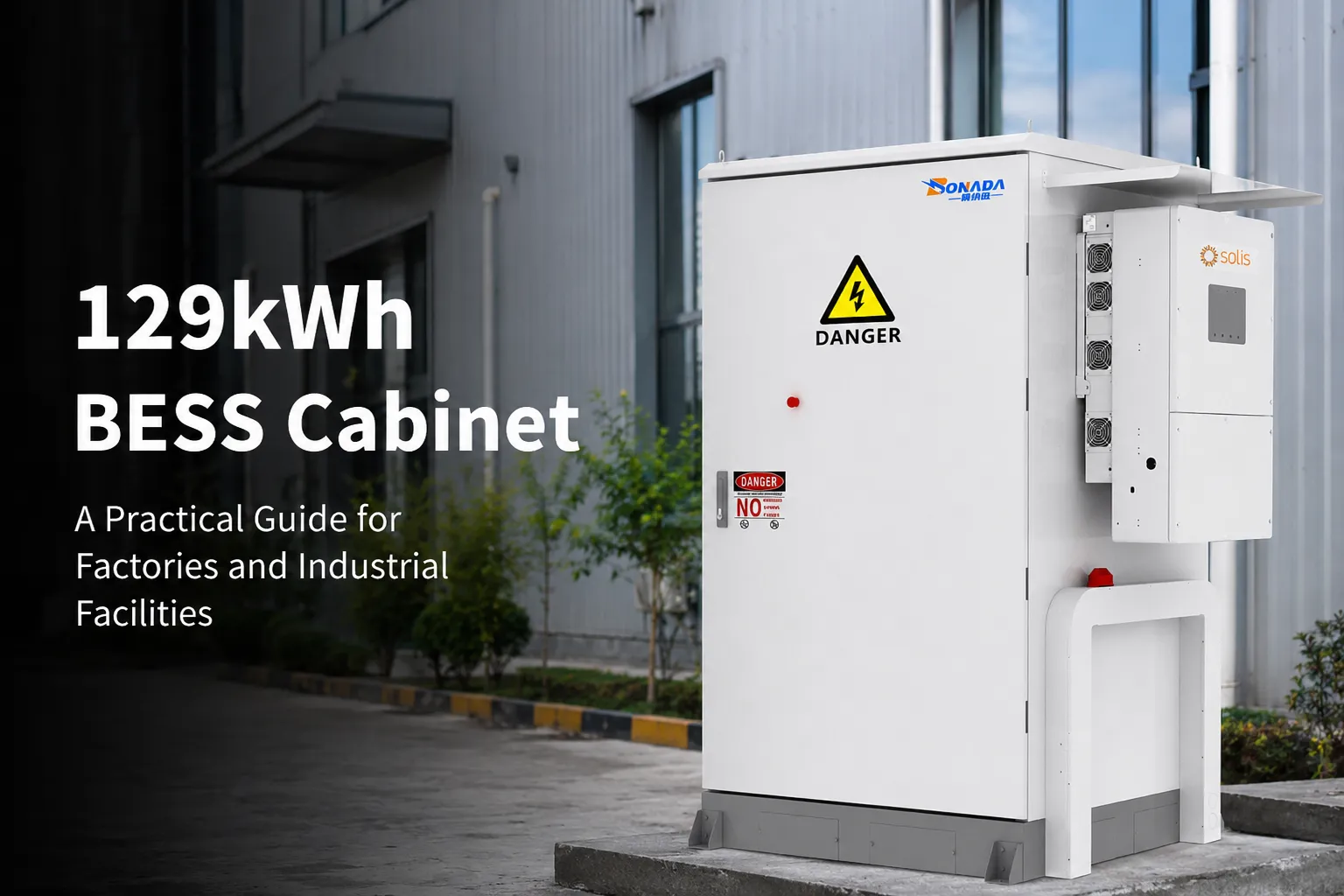
Electricity is one of the largest operating expenses for many factories. The problem is not always the total amount of electricity a facility consumes. In many markets, a factory can face significantly higher charges simply because its power demand reaches a high level for a short period.
129kWh BESS Cabinet: Complete Guide to Capacity, Components, Applications and Sizing
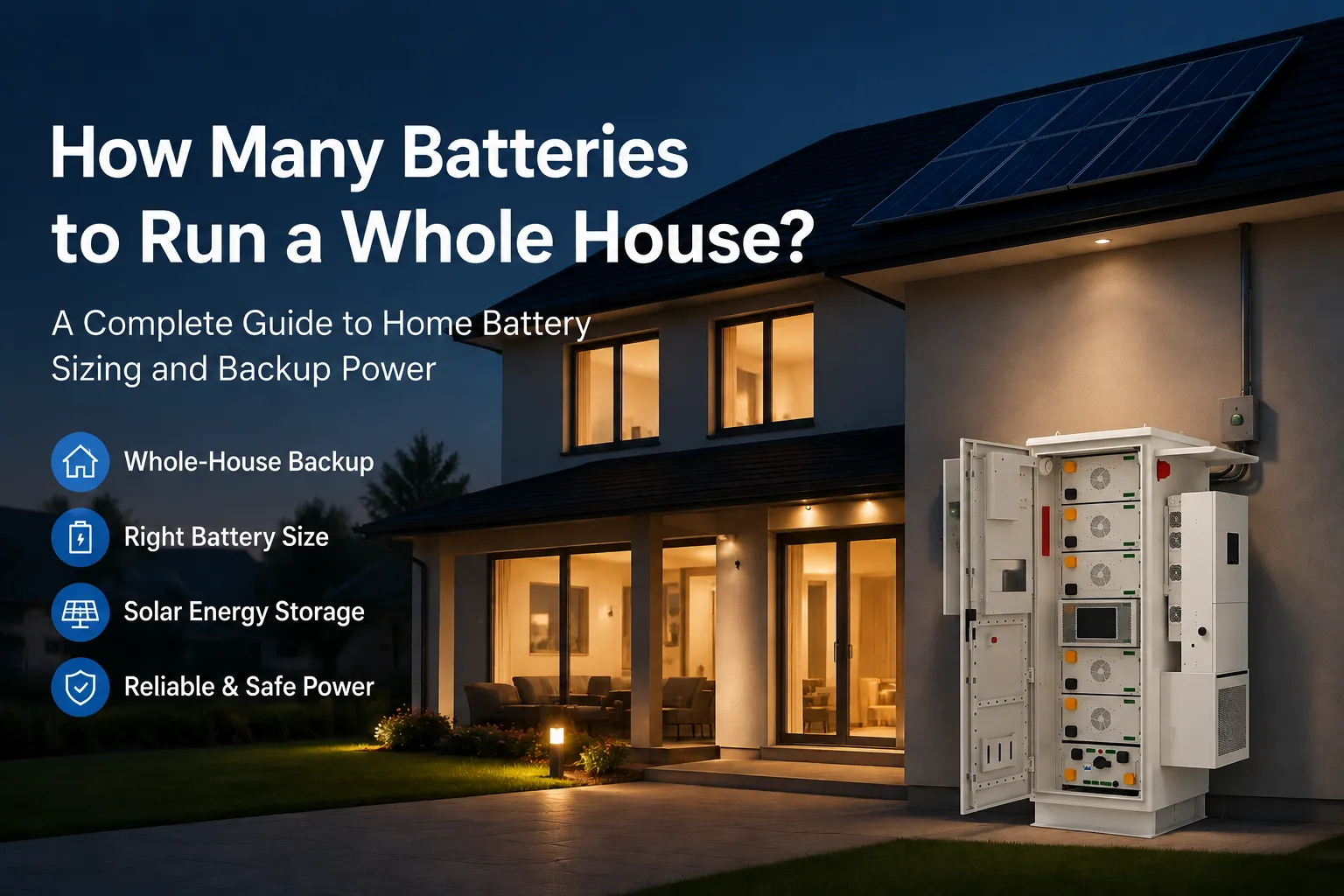
One of the first questions homeowners ask when considering solar storage or backup power is: How many batteries to run a whole house? It sounds like a simple question, but the answer is different for every home. A battery system that works well for a small house with basic backup needs may not be enough for a larger property running air conditioning, electric heating, or an EV charger.
How Many Batteries to Run a Whole House? A Practical Home Battery Sizing Guide
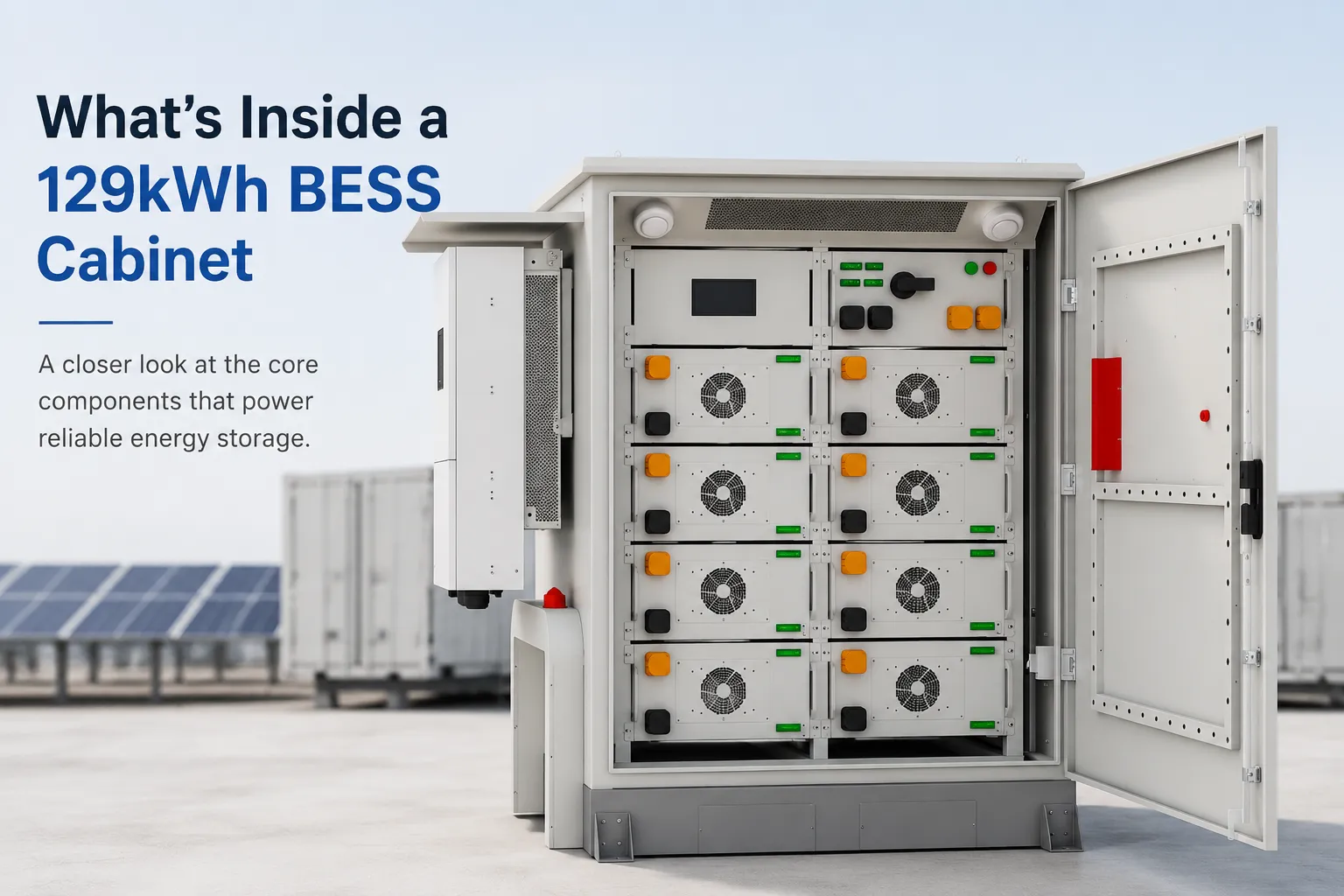
A typical 129kWh BESS cabinet contains much more than battery cells. Inside the enclosure, multiple systems work together, including battery modules, Battery Management System (BMS), high-voltage protection units, Energy Management System (EMS), cooling equipment, fire protection devices, and communication components. Each part has a specific role in maintaining safe and stable energy storage operation.
What's Inside a 129kWh BESS Cabinet? A Complete Breakdown of Internal Components
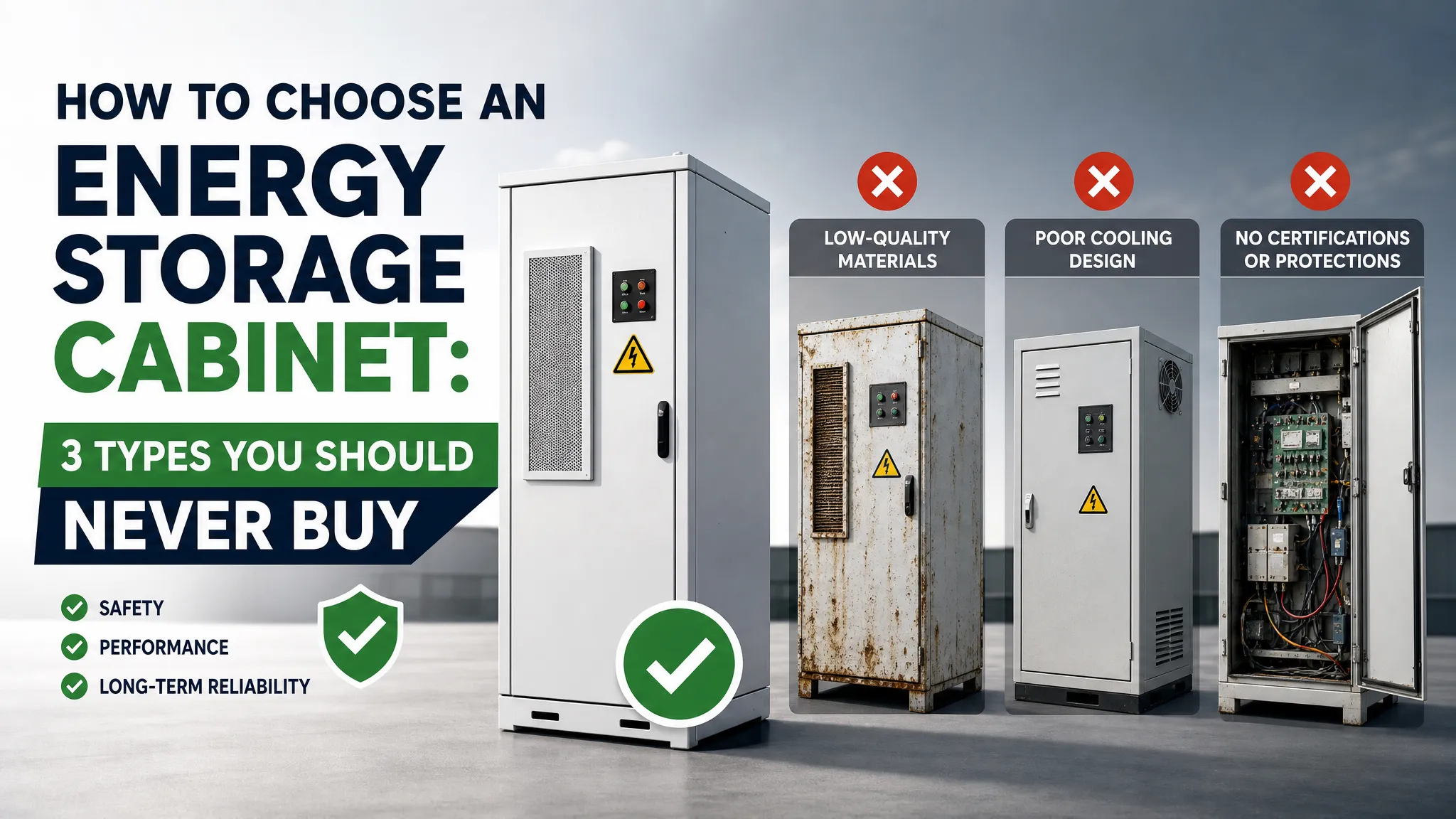
When sourcing a Battery Energy Storage System (BESS), most buyers obsess over cell capacity, inverter brands, and price per kilowatt-hour. The enclosure? It’s usually an afterthought—treated as a simple metal box. That is a massive financial and operational mistake.
How to Choose an Energy Storage Cabinet: 3 Types You Should Never Buy