
Do solar panels always need direct sunlight
2025-06-24
There still many question marks yet to be answered in the renewable energy industry, and the solar industry is one of the sectors where much is still unknown. As a result, many people will ask the same questions relating to how photovoltaic modules work, and one question that crops up a lot is: "Do solar panels need direct sunlight to generate electricity?" The answer is very simple and direct: No!

Direct Sunlight and Energy Production
When the sun shines on the solar panel at a 90° angle, the panel can generate the maximum amount of energy. This is why the orientation and installation angle of a solar panel is so important. In the northern hemisphere, the panels should be facing south to get maximum energy output, and the tilt angle of the panel should be aligned with the local latitude. In the United States, the tilt angle is typically between 30° and 45°.
Performance Under Indirect Light
Nevertheless, solar panels do not require direct sunlight for the generation of electricity. It is not unusual for the modules to effectively generate energy on a cloudy day. Solar panels utilize not only visible light but also an invisible portion of the radiation emitted from the sun, which penetrates through clouds, and may be directly absorbed by the photovoltaic module. Therefore, as long as it is daytime, the solar panel will operate regardless of the weather condition, even though the energy output may be reduced.
Shading Impacts on Performance
It is important to emphasize, however, that when a solar module is shaded it's performance drops significantly. The solar cells in a module are connected and the performance of a single cell, loses its abilities as power generation capabilities of the entire module. Shaded modules can drop by over 75% in performance. Second, the persistent shading can also damage the module's longevity, since some cells had to do more work than the others, and in the future they may overheat and cause damage.
To avoid this issue, manufacturers place bypass diodes in PV modules. The bypass diodes separate the module into sections (by 3 or 4) and if one cell in one section is shaded, the diodes ensure that the performance of that cell does not affect the performance of the other sections. For eg, a solar panel with 4 bypass caps, only loses 25% of its power generation if a single cell is shaded.
Series Connection vs Inverter Selection
If the solar panels are connected in series and a string inverter is being used, then a shaded panels can be a problem. A panel that does not perform well, can reduce the entire systems power. If possible, consider using microinverters or pairing a string inverter with a power optimizer to enable panels to work in isolation of the performance of the other panels.
Efficiency in overcast conditions
When using solar photovoltaics (PV) on cloudy days you will see performance loss typically between 10-25%. However, that doesn't mean that it is not worth using solar energy in cloudy areas. The profitability of solar PV systems are dependent on also the local level of electricity pricing: the higher the electricity pricing, the shorter the solar energy payback period. This means that in some cloudy areas, (such as Shanghai), installing solar energy may pay for itself quicker than it would in sunny locations (such as Hebei Province) with lower electricity pricing.
Technological advancements and flexibility
On the positive side, the design and build of PV modules have come a long way in the last couple of years. Manufacturers have improved flexibility, durability and performance for solar panels so they can generally survive in the natural environment and perform even satisfactorily in less than ideal of situations. Some advanced solar panels (Canadian Solar panels for example) can withstand performance loss of about 95% regardless of the cloudiness of the sky. Stormy weather, clouds, and low energy conversion rates, or good WAVESBEST (Weather Adapted for Viability Energy Sustains Best Transformed), all guarantee that your investment in solar panels will pay for themselves quickly, even in situations that may not be ideal for solar.
How much wind can solar panels withstand
What does a solar charge controller do
Related Article
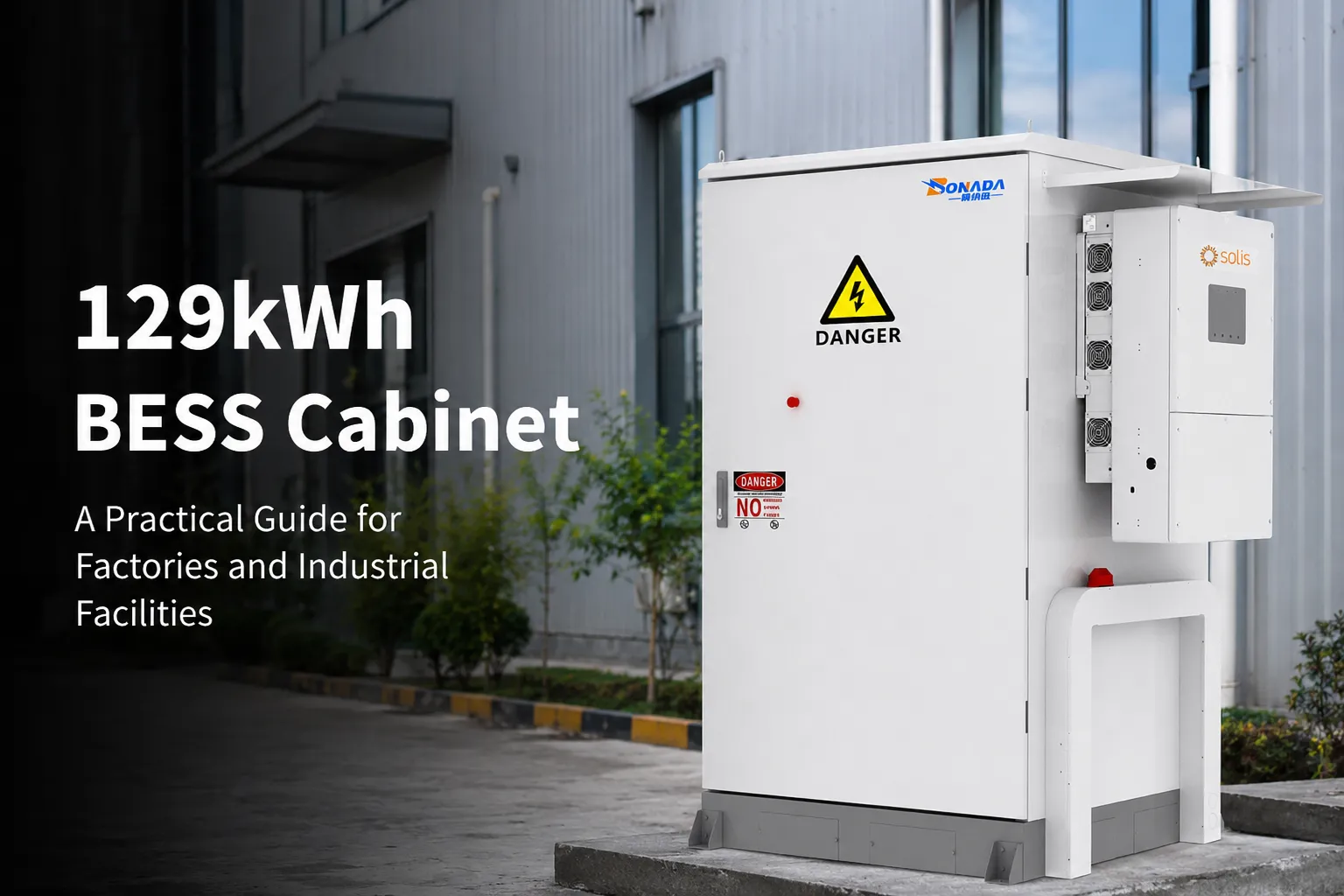
Electricity is one of the largest operating expenses for many factories. The problem is not always the total amount of electricity a facility consumes. In many markets, a factory can face significantly higher charges simply because its power demand reaches a high level for a short period.
129kWh BESS Cabinet: Complete Guide to Capacity, Components, Applications and Sizing
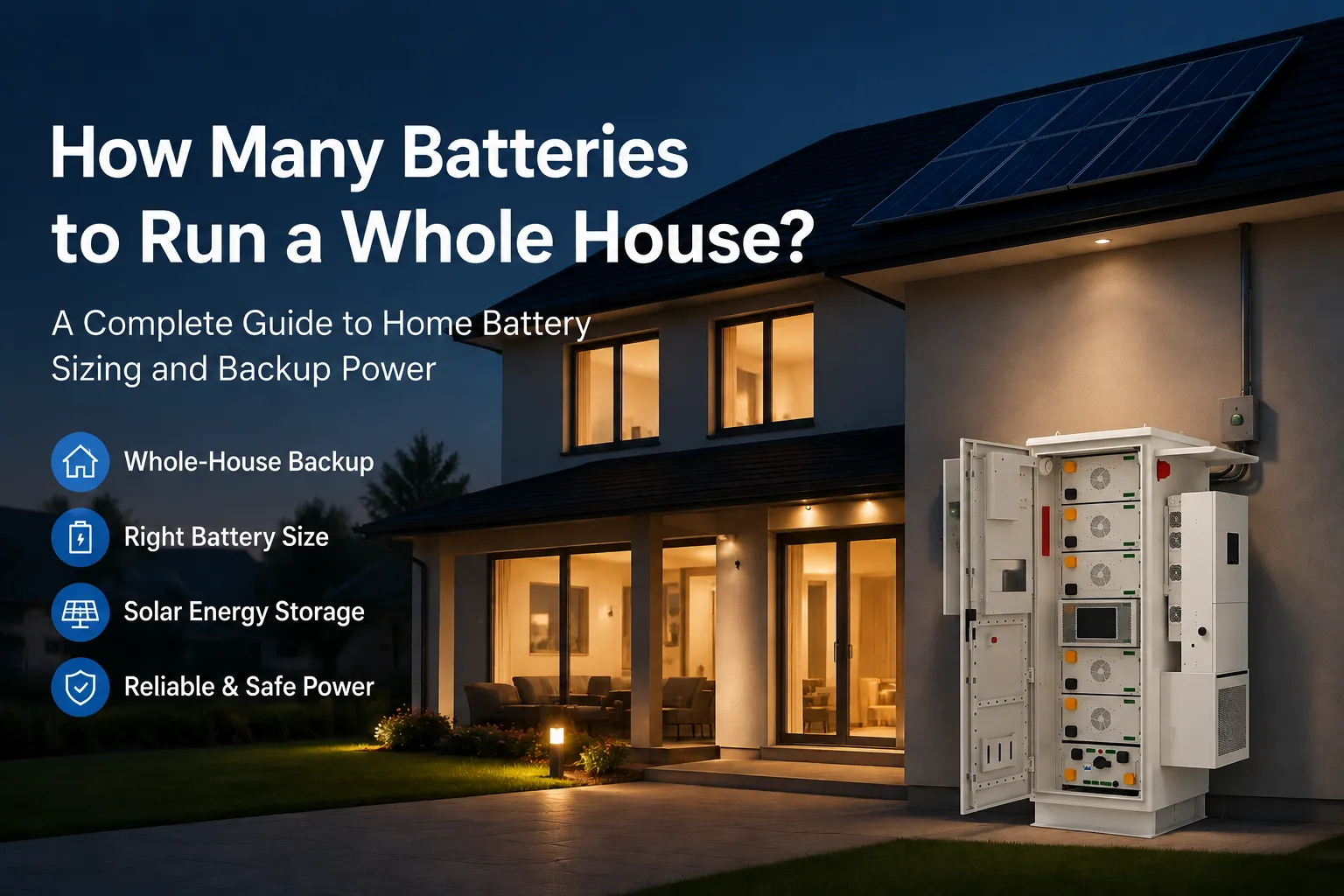
One of the first questions homeowners ask when considering solar storage or backup power is: How many batteries to run a whole house? It sounds like a simple question, but the answer is different for every home. A battery system that works well for a small house with basic backup needs may not be enough for a larger property running air conditioning, electric heating, or an EV charger.
How Many Batteries to Run a Whole House? A Practical Home Battery Sizing Guide
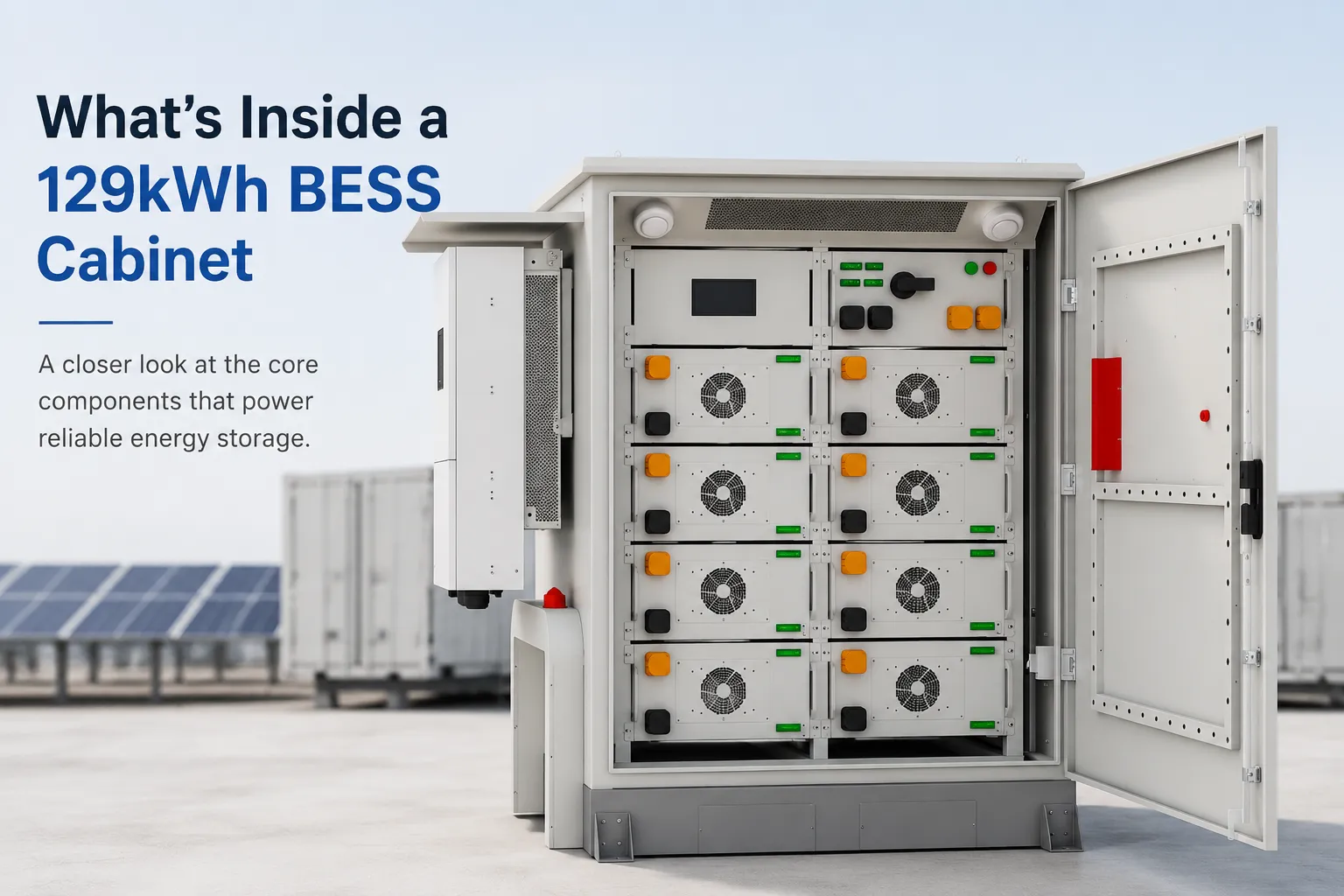
A typical 129kWh BESS cabinet contains much more than battery cells. Inside the enclosure, multiple systems work together, including battery modules, Battery Management System (BMS), high-voltage protection units, Energy Management System (EMS), cooling equipment, fire protection devices, and communication components. Each part has a specific role in maintaining safe and stable energy storage operation.
What's Inside a 129kWh BESS Cabinet? A Complete Breakdown of Internal Components
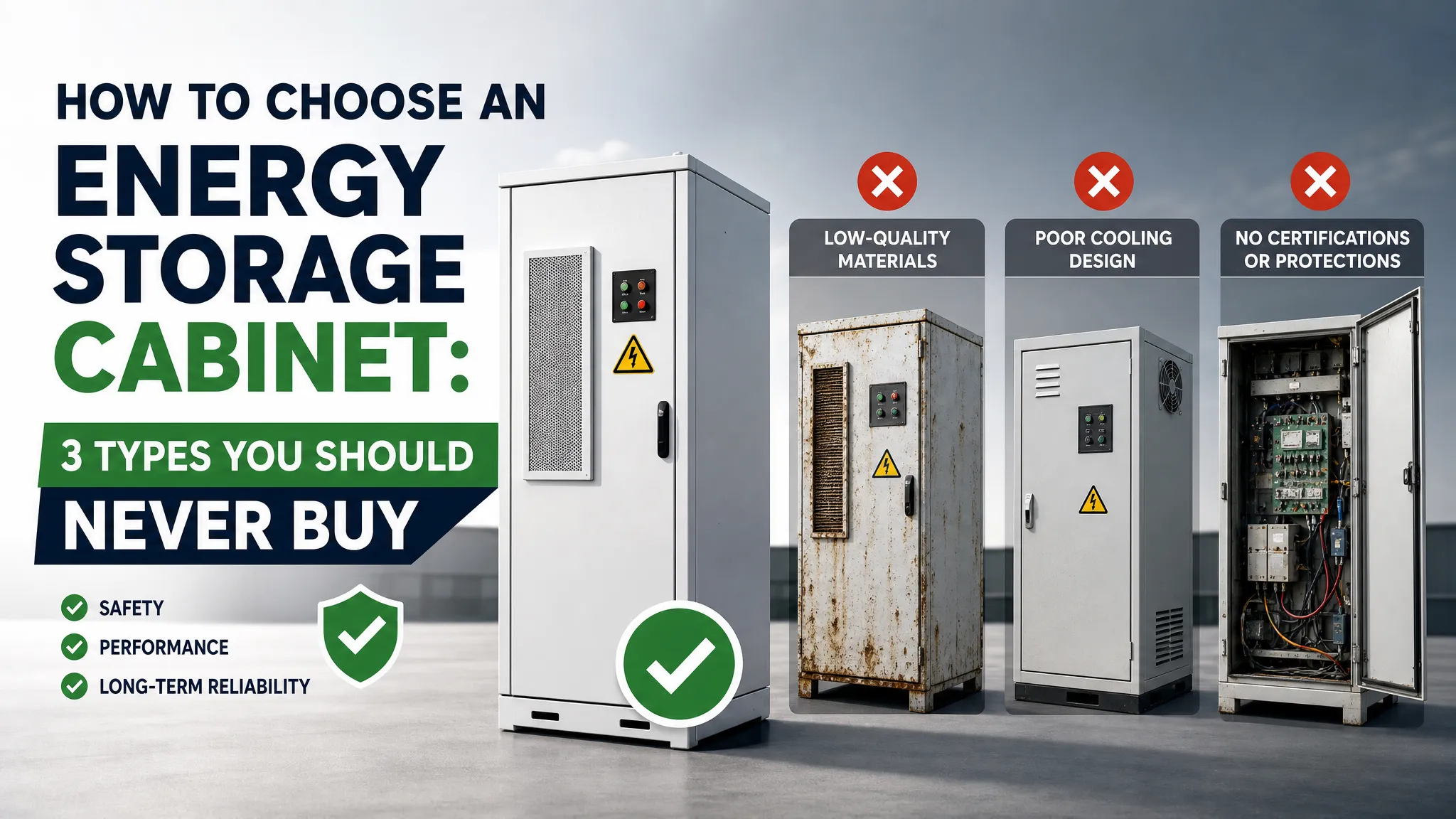
When sourcing a Battery Energy Storage System (BESS), most buyers obsess over cell capacity, inverter brands, and price per kilowatt-hour. The enclosure? It’s usually an afterthought—treated as a simple metal box. That is a massive financial and operational mistake.
How to Choose an Energy Storage Cabinet: 3 Types You Should Never Buy