
Photovoltaic Modules: Daily maintenance and management
2025-05-05
The efficient operation of photovoltaic power stations is inseparable from daily maintenance and management. Bonada will explain in detail the daily maintenance methods of photovoltaic modules from the aspects of cleaning, inspection, troubleshooting and safety precautions of photovoltaic modules, so as to help you better understand and practice the operation and maintenance of photovoltaic power stations.
Daily maintenance and management of photovoltaic modules
1.Cleaning of photovoltaic modules
Photovoltaic modules are the core components of photovoltaic power stations, and the cleanliness of their surfaces directly affects the power generation efficiency. Therefore, regular cleaning of photovoltaic modules is one of the important contents of daily maintenance.
- Choice of cleaning time: The best time to clean photovoltaic modules is usually early morning or evening, when the solar radiation is weak, less dust is blown away, and the cleaning effect is better. In addition, the cleaning effect is best when the irradiance is less than 200 W/m², and avoid using liquids with a large temperature difference with the module for cleaning.
- Cleaning tools and methods: When cleaning, use a soft, dry or damp cloth, and avoid using corrosive solvents or hard objects to avoid scratching the surface of the module. For stubborn stains, you can use a mild detergent (such as neutral glass cleaner) with clean water to clean, and make sure to rinse thoroughly.
- Cleaning in special environments: After severe weather such as sandstorms, heavy snow or hail, the surface of the photovoltaic modules should be cleaned in time to ensure that the modules can fully receive sunlight.
- Cleaning frequency: The cleaning frequency depends on the local environment: in dusty areas, it is recommended to clean once a month; in dusty areas, it is sufficient to clean once a quarter.

2. Inspection of photovoltaic modules
The inspection of photovoltaic modules is an important part of ensuring the normal operation of power stations. Through regular inspections, potential problems can be discovered and solved in time, thereby extending the service life of the equipment.
- Appearance inspection: Check whether the photovoltaic modules have broken glass, backplane burning, color changes, deformation or cracking of the junction box. Once an abnormality is found, it should be replaced or repaired immediately.
- Bracket and connection inspection: Check whether all bolts and welding connections of the bracket are firm and reliable, and whether the metal frame and the bracket are well combined and grounded. The contact resistance should be less than 4Ω to ensure safe operation.
- Temperature difference detection: Under the conditions of no shadow, irradiance greater than 500 W/m², and wind speed less than 2 m/s, the temperature difference of the outer surface of the same photovoltaic module should not exceed 20℃. If it exceeds this range, further inspection is required.
- Current measurement: Use a clamp DC ammeter to measure the input current of each string. If the deviation exceeds 5%, the cause needs to be investigated and handled.
3. Troubleshooting and handling
Various faults may occur during the operation of the photovoltaic power station. Timely troubleshooting and handling of faults are the key to ensuring the stable operation of the power station.
Common fault types
·TDust accumulation on the surface of the component leads to reduced power generation efficiency.
·The junction box is deformed, burned, or the wiring is loose.
·The bracket is corroded or the connection is not firm.
·The inverter is overloaded or the cooling fan fails.
Troubleshooting steps
·TFirst, turn off the branch DC switch and take safety measures.
·TUse insulating tools to check whether each connection point is tight.
·TCheck the operating status of the inverter and whether the cooling system is normal.
Treatment method
·TFor dust accumulation, clean the surface of the component in time.
·TFor problems with the junction box or bracket, replace the damaged parts and re-fix them.
·TFor inverter failures, contact professionals for repair or replacement.
·TFor problems with the junction box or bracket, replace the damaged parts and re-fix them.
·TFor inverter failures, contact professionals for repair or replacement.
4. Safety precautions
The operation and maintenance of photovoltaic power stations involves electrical equipment and high-altitude operations, so safety regulations must be strictly followed.
Safety protection measures
·TBefore performing any operation, be sure to disconnect all related switches and wear protective equipment such as insulating shoes and gloves.
TLightning and electrical protection measures
·TEnsure that the metal frame and the bracket are firmly grounded to avoid operating photovoltaic modules in thunderstorms.
Regular training and drills
·TOperation and maintenance personnel should receive regular professional training and be familiar with equipment operation procedures and emergency plans.
Daily maintenance and management of photovoltaic modules is an important guarantee for ensuring efficient and stable operation of photovoltaic power stations. Regular cleaning, inspection and troubleshooting can effectively extend the service life of equipment and improve power generation efficiency.
At the same time, operation and maintenance personnel must strictly abide by safety regulations to ensure the safety of themselves and their equipment. I hope this article can provide practical guidance for the operation and maintenance of photovoltaic power stations and help the development of green energy.
Photovoltaic system: Full analysis of combiner box
Solar Energy Storage LiFePO4 Battery: Definition, Features & Uses
Related Article
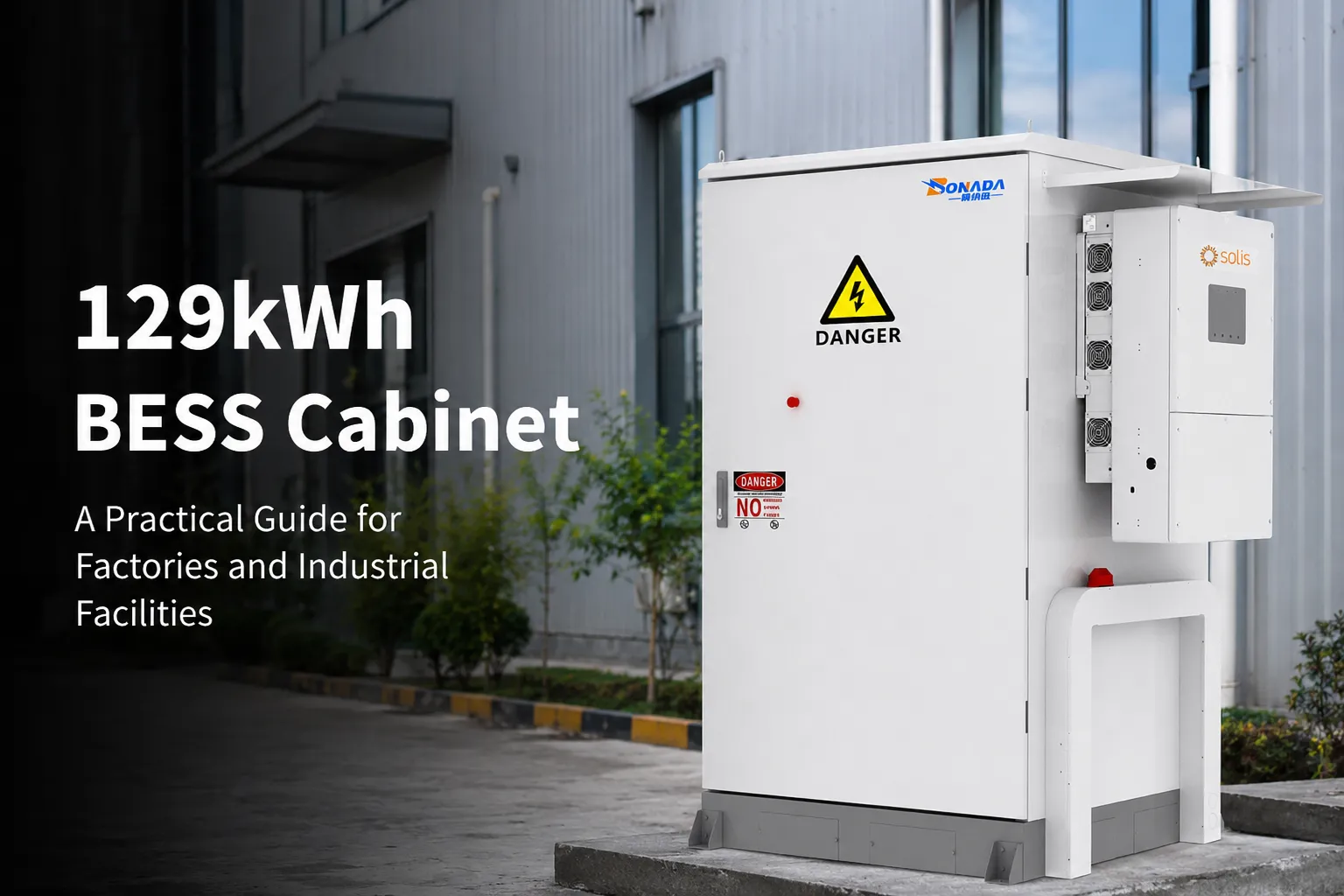
Electricity is one of the largest operating expenses for many factories. The problem is not always the total amount of electricity a facility consumes. In many markets, a factory can face significantly higher charges simply because its power demand reaches a high level for a short period.
129kWh BESS Cabinet: Complete Guide to Capacity, Components, Applications and Sizing
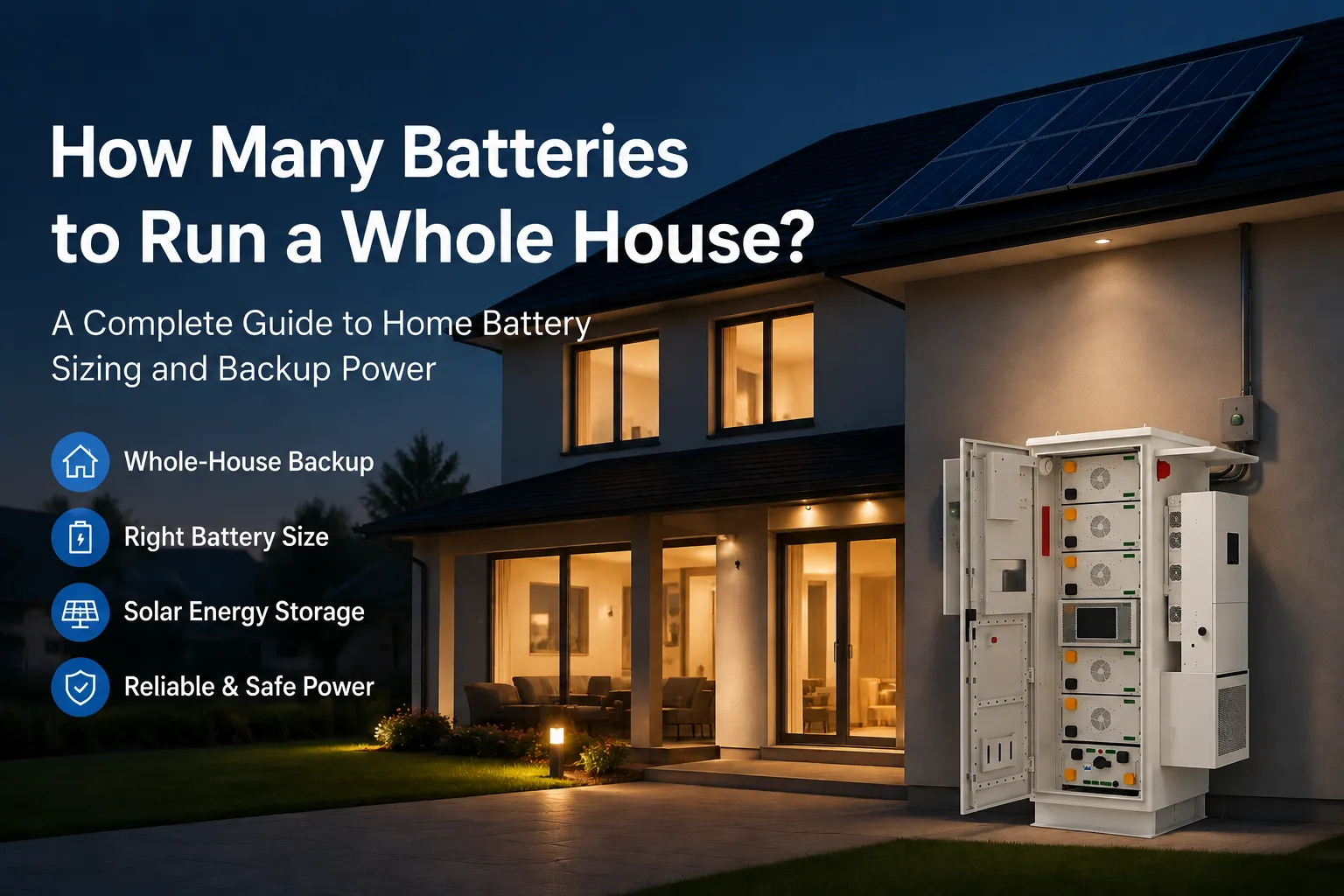
One of the first questions homeowners ask when considering solar storage or backup power is: How many batteries to run a whole house? It sounds like a simple question, but the answer is different for every home. A battery system that works well for a small house with basic backup needs may not be enough for a larger property running air conditioning, electric heating, or an EV charger.
How Many Batteries to Run a Whole House? A Practical Home Battery Sizing Guide
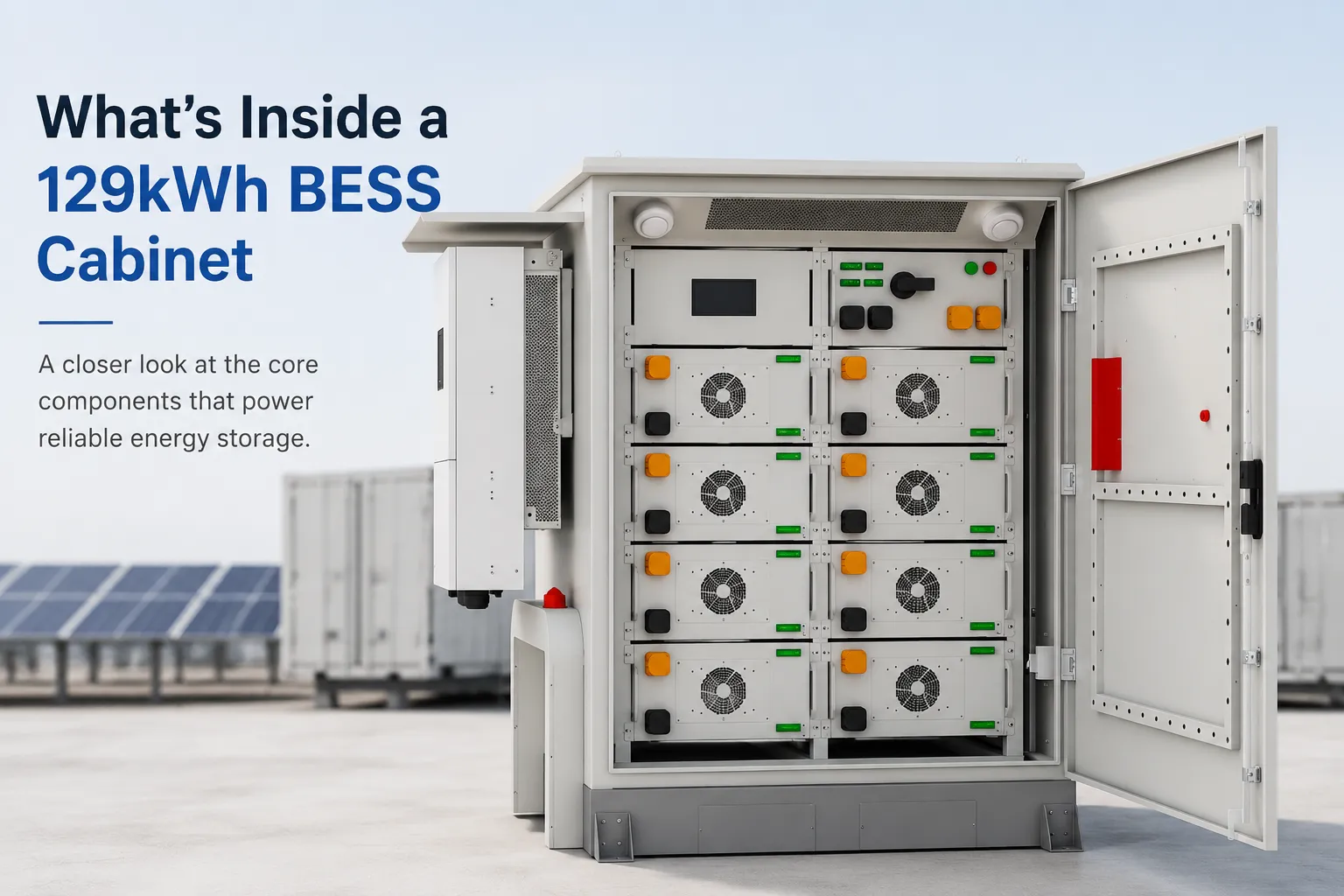
A typical 129kWh BESS cabinet contains much more than battery cells. Inside the enclosure, multiple systems work together, including battery modules, Battery Management System (BMS), high-voltage protection units, Energy Management System (EMS), cooling equipment, fire protection devices, and communication components. Each part has a specific role in maintaining safe and stable energy storage operation.
What's Inside a 129kWh BESS Cabinet? A Complete Breakdown of Internal Components
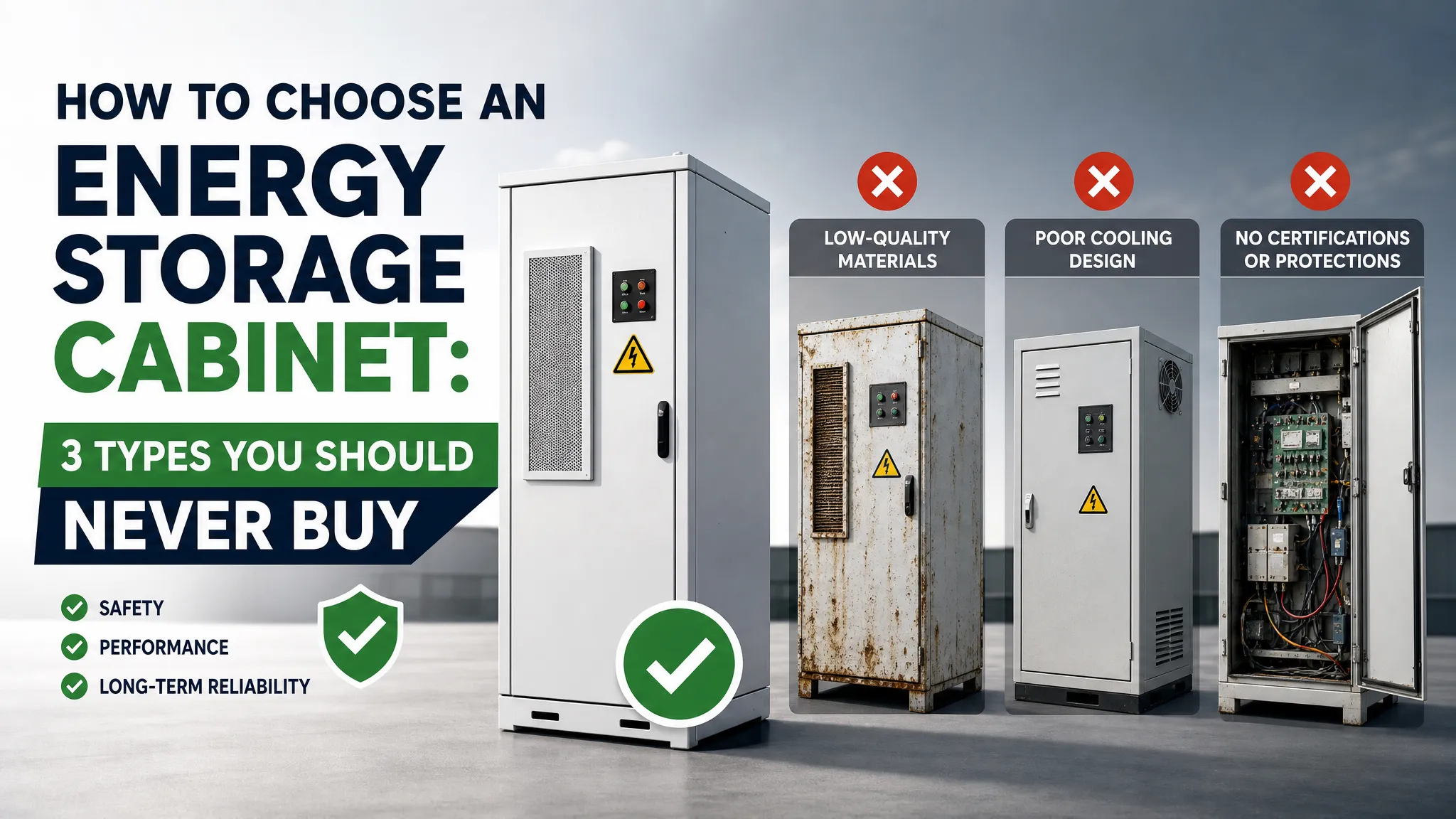
When sourcing a Battery Energy Storage System (BESS), most buyers obsess over cell capacity, inverter brands, and price per kilowatt-hour. The enclosure? It’s usually an afterthought—treated as a simple metal box. That is a massive financial and operational mistake.
How to Choose an Energy Storage Cabinet: 3 Types You Should Never Buy