
What are apparent power, active power and reactive power
2025-07-31
In AC circuits, due to the presence of inductive or capacitive energy storage devices, there is a phase difference between voltage and current. In layman's terms, the voltage and current do not arrive at the same time.
Therefore, while the voltage and current may appear large, they are not actually doing that much work. Instead, there is energy conversion between the power source and the energy storage device. This is called apparent power.

That is, active power + reactive power.
Power transformers use apparent power to express their capacity, measured in volt-amperes (VA).
This means that regardless of the active and reactive power values, they can only output a certain voltage and current.
Voltage * Current * = Apparent Power. Apparent power should be (Active Power^2 + Reactive Power^2)^
Active power is also called average power. The instantaneous power of AC is not a constant value. The average power value over a cycle is called active power. It refers to the power consumed by the resistance in the circuit. For electric motors, it refers to the output. It is represented by the letter P and is measured in kilowatts (kW). Reactive power: In a circuit with inductance (or capacitance), the inductor (or capacitor) converts energy from the power supply into magnetic (or electric) field energy during half a cycle and stores it. During the other half, the inductor (or capacitor) returns the stored magnetic (or electric) field energy to the power supply. They merely exchange energy with the power supply and do not actually consume energy. The amplitude of this energy exchange with the power supply is called reactive power, denoted by the letter Q and measured in kVar. Apparent power: In a circuit with resistance and reactance, the product of voltage and current is called apparent power, denoted by the letter S or the symbol Ps and measured in kilovolt-amperes (kVA). The relationship between active power, reactive power, and apparent power can be represented by the power triangle (see figure):
Active power is the electrical power required to maintain the normal operation of electrical equipment; it is the electrical power required to convert electrical energy into other forms of energy (mechanical energy, light energy, or heat energy). For example, a kilowatt electric motor converts kilowatts of electrical energy into mechanical energy, driving a water pump or a thresher to thresh grain. Various lighting devices convert electrical energy into light energy, providing illumination for people's lives and work. The symbol for active power is P, and units include watts (W), kilowatts (kW), and megawatts (MW).
Reactive power is more abstract. It is the electrical power used to exchange electric and magnetic fields within a circuit and to establish and maintain a magnetic field in electrical equipment. It does not perform external work but is converted into other forms of energy. Any electrical device with an electromagnetic coil consumes reactive power to create a magnetic field. For example, a 40-watt fluorescent lamp requires not only over 40 watts of active power (the ballast also consumes some active power) to generate light, but also approximately 80 vars of reactive power to generate the alternating magnetic field in the ballast coil. Because it does no external work, it is called "reactive power." The symbol for reactive power is Q, and units are vars (Var) or kilovars (kVar).
When inductive electrical equipment in the distribution network, such as transformers, motors, welding machines, air conditioners, washing machines, refrigerators, sodium lamps, and fluorescent lamps, is put into operation, it not only draws active power from the power grid to perform work but also absorbs reactive power to create a magnetic field. This generally results in a low natural power factor for electricity users. my country has established power factor standards that must be met by electricity users.
This forms a power triangle.
Solar Stackable Battery : Electronic Products for B2B Procurement
Energy storage system classification
Related Article
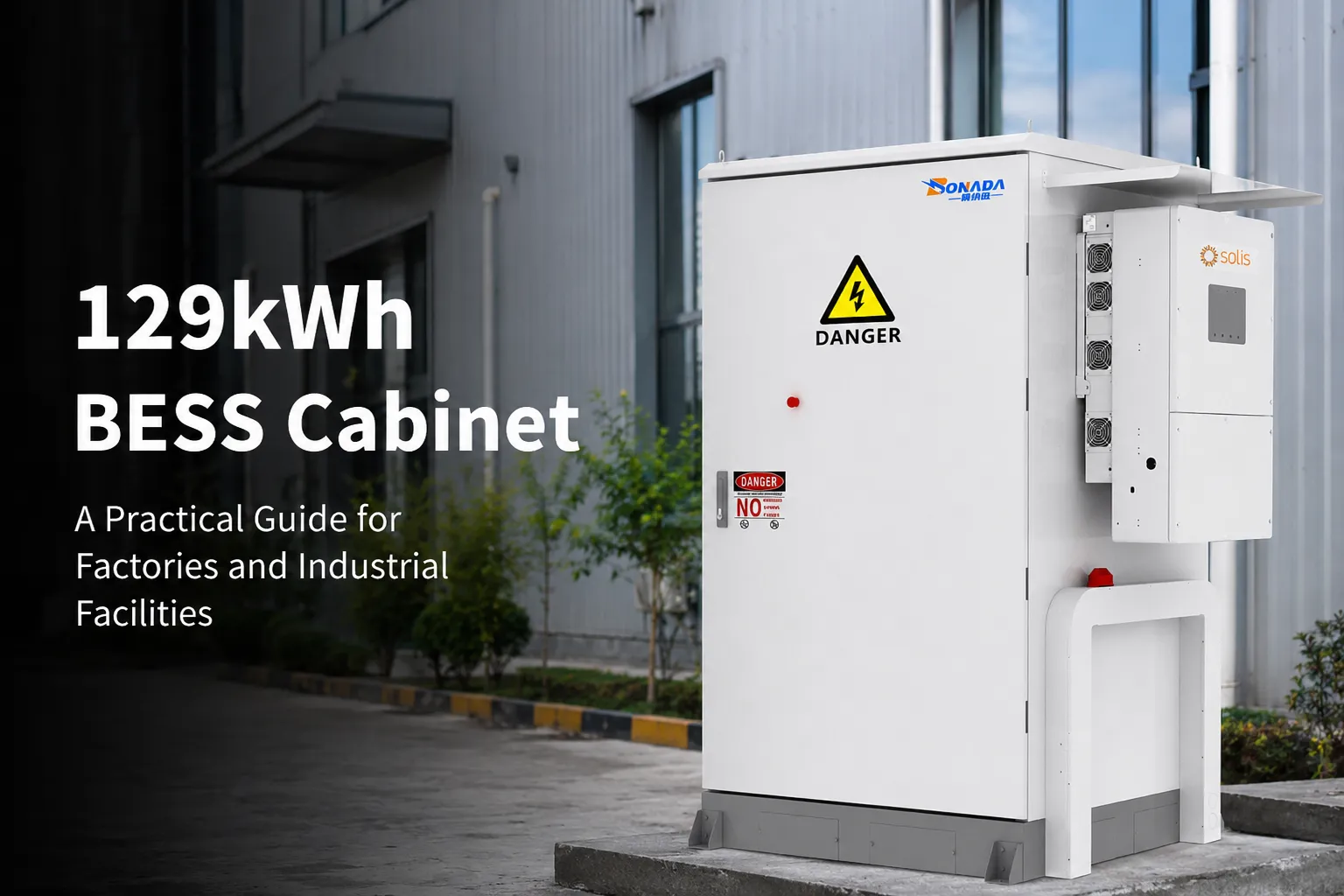
Electricity is one of the largest operating expenses for many factories. The problem is not always the total amount of electricity a facility consumes. In many markets, a factory can face significantly higher charges simply because its power demand reaches a high level for a short period.
129kWh BESS Cabinet: Complete Guide to Capacity, Components, Applications and Sizing
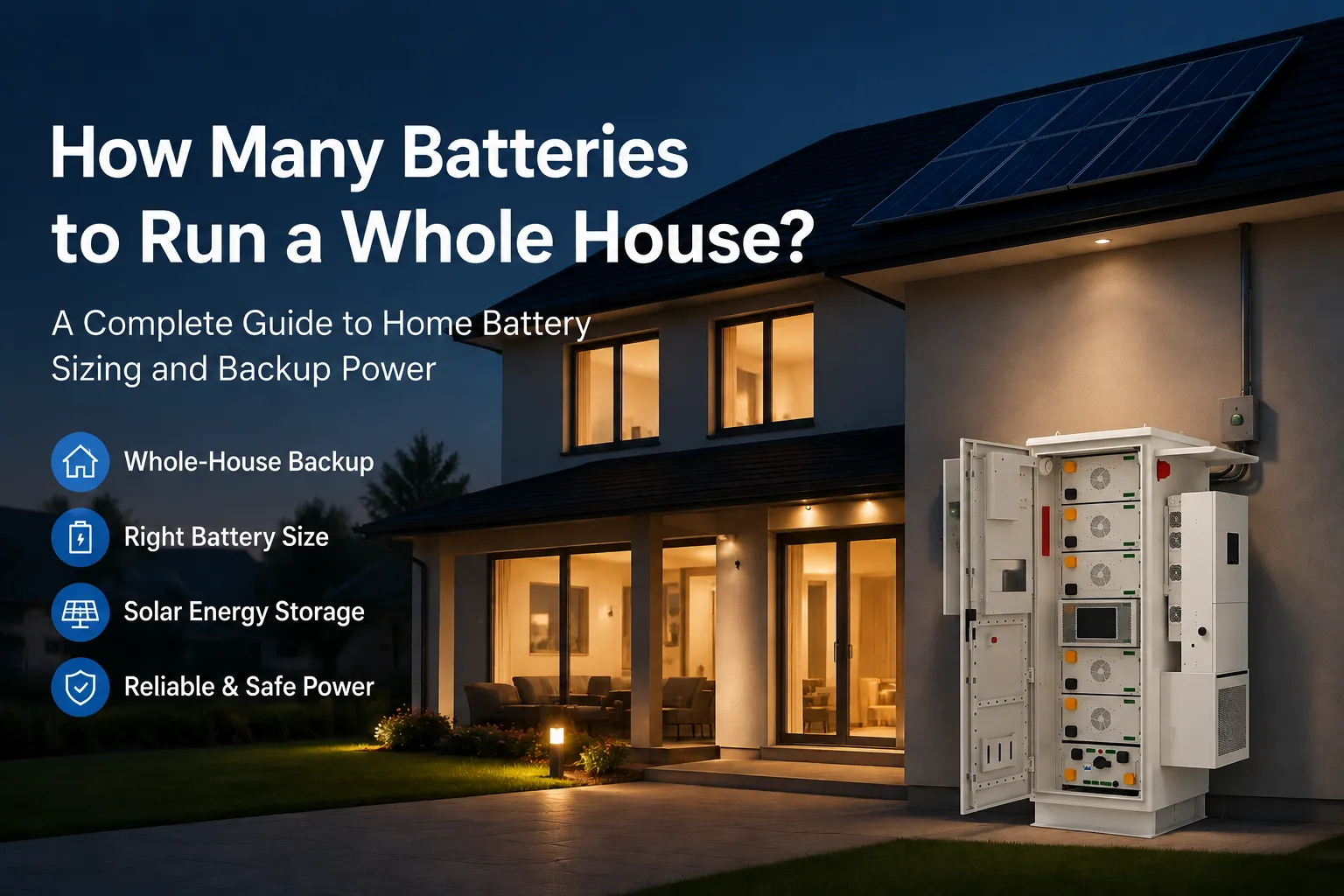
One of the first questions homeowners ask when considering solar storage or backup power is: How many batteries to run a whole house? It sounds like a simple question, but the answer is different for every home. A battery system that works well for a small house with basic backup needs may not be enough for a larger property running air conditioning, electric heating, or an EV charger.
How Many Batteries to Run a Whole House? A Practical Home Battery Sizing Guide
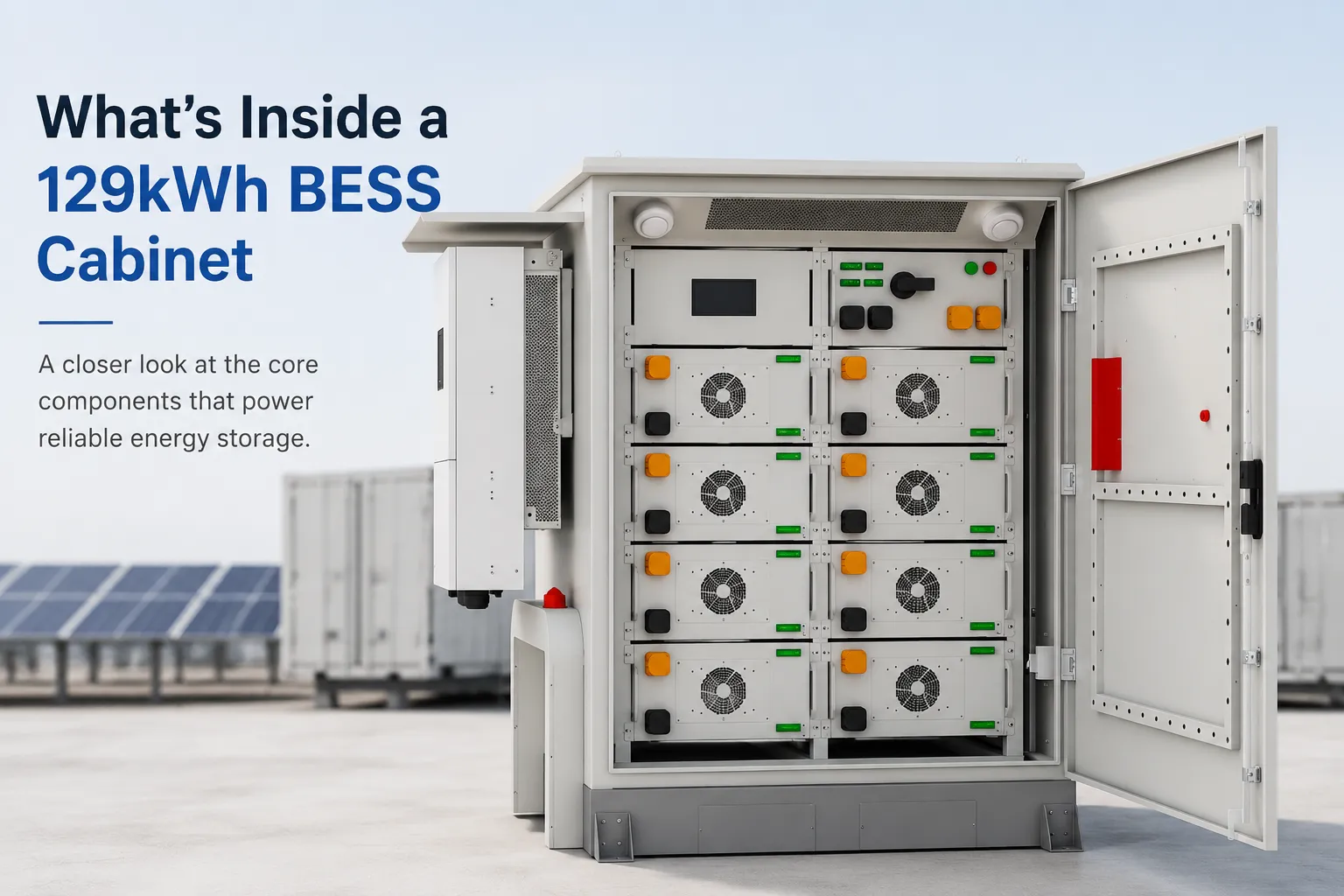
A typical 129kWh BESS cabinet contains much more than battery cells. Inside the enclosure, multiple systems work together, including battery modules, Battery Management System (BMS), high-voltage protection units, Energy Management System (EMS), cooling equipment, fire protection devices, and communication components. Each part has a specific role in maintaining safe and stable energy storage operation.
What's Inside a 129kWh BESS Cabinet? A Complete Breakdown of Internal Components
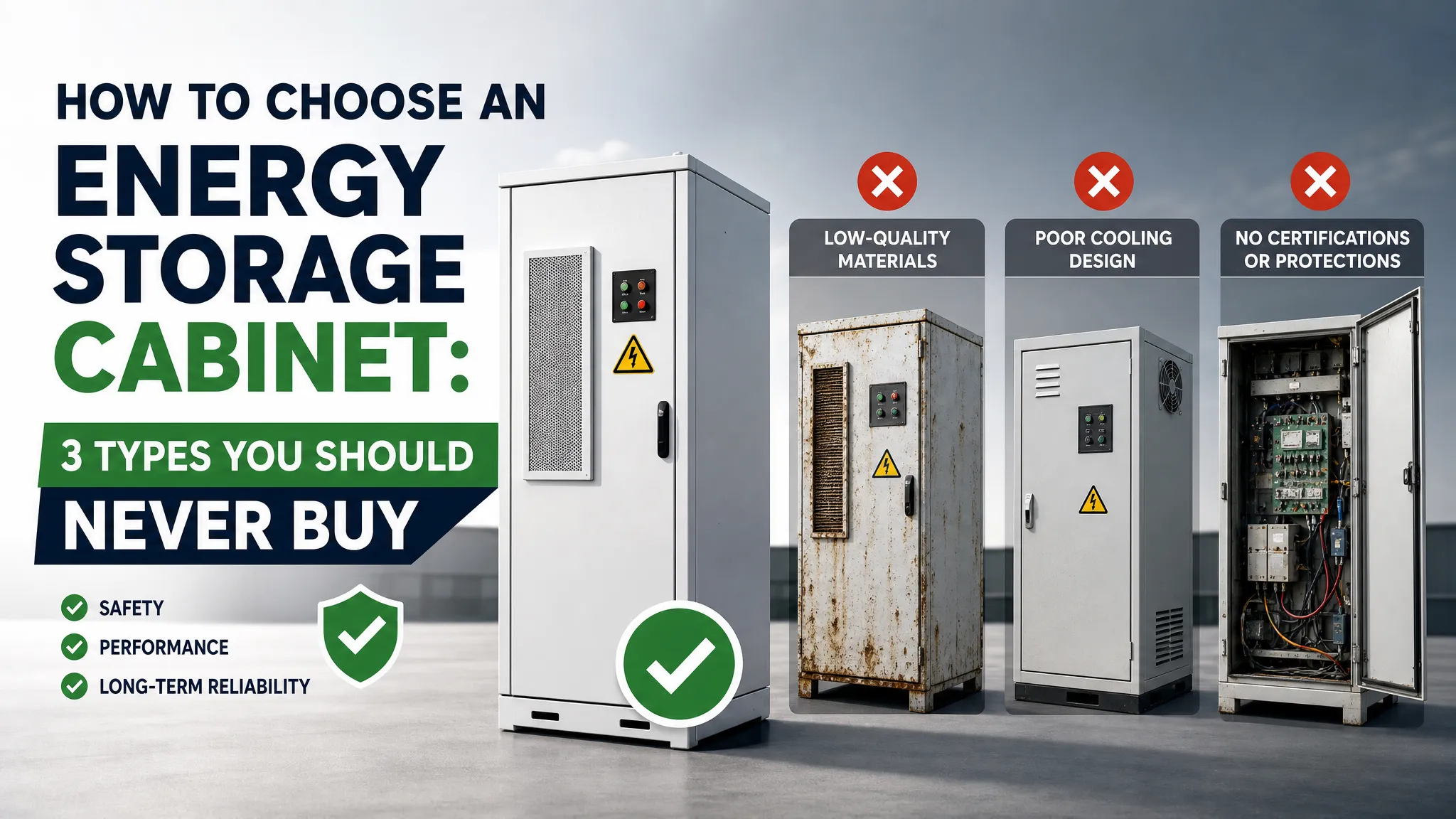
When sourcing a Battery Energy Storage System (BESS), most buyers obsess over cell capacity, inverter brands, and price per kilowatt-hour. The enclosure? It’s usually an afterthought—treated as a simple metal box. That is a massive financial and operational mistake.
How to Choose an Energy Storage Cabinet: 3 Types You Should Never Buy