
What is a solar cell made of?
2025-05-05
Solar cells, or photovoltaic cells, use the photovoltaic effect to convert light energy into electrical energy. Most of these cells are silicon cells (there are numerous efficiencies and cost levels; they can be either amorphous silicon cells (amorphous) to multi-crystalline or mono-crystalline (monocrystalline) silicon types.
How are they manufactured? There are seven stages in manufacturing solar cells, as outlined as follows:
Stage 1: Purifying the Silicon
Silicon dioxide is put into an arc furnace and a carbon arc is discharged to liberate the oxygen. The result will be carbon dioxide and molten silicon; this will produce silicon with 1% impurities, which isn't pure enough for solar cells. The commonly used silicon rods are passed through the heating zone multiple times while moving in the same direction; this is called the float zone process. Repeating the float zone pulls all the impurities to one end of the rod, until finally the impure end is simply discarded.

Stage 2: Producing mono-crystalline silicon
The most common way of producing mono-crystalline silicon is the Czochralski process, which involves dipping a silicon seed crystal into molten poly-crystalline silicon. By rotating the seed crater while being extracted from the molten poly-crystalline, the seed weighs a cylindrical ingot or boule.
Step 3: Cutting the Silicon Wafers
The ingot produced in stage 2 is cut into silicon wafers on a circular saw. The best saw is diamond, as it produces silicon wafers that can then be cut into squares or hexagons that are easier to splicing to the surface of a solar cell. The cut wafers are usually polished to remove saw marks, although some clients will leave these blemishes on the product as they believe that rougher cells are better as they have superior absorption efficiency.
Step 4: Additives
Once the silicon has been purified into silicon tetrachloride at an earlier stage, the silicon material can now be re-doped with impurities. This procedure is known as doping and it usually requires a particle accelerator to introduce phosphorus ions to the ingot. Timing how long to allow the ions to penetrate allows you to control the depth. In this stage it is possible to omit by using the more traditional system of introducing boron when cutting the wafers.
Step 5: Adding Electrical Contacts
Electrical contacts connect the solar cells together and act as receivers for the current generated by the cell. The contacts are made from metals such as palladium or copper and ensures that sunlight does not reach the cell. These are made thin enough not to block any light from entering the cell and are either vacuum evaporated through a photo resist or deposited on the exposed parts of the cell that have been left uncovered using wax. After the contacts are made, thin, strips (usually tinned copper) are placed in between the cells.
Stage 6: Adding an Anti-Reflective Coating
The shiny nature of silicon means it can reflect up to 35% of the sunlight that hits it. Anti-reflective coatings are added to silicon to reduce the amount of sunlight lost to reflection. Titanium dioxide and silicon oxide are commonly used for this, with the material heated until the molecules boil and move to the silicon where they condense. Alternatively, molecules can be removed from the material using high pressure and deposited on the silicon of the opposing electrode in a process called "sputtering".
Stage 7: Encapsulation
Finally, the solar cells are encapsulated in silicone rubber or ethylene vinyl acetate and placed into an aluminum frame with a backsheet and glass or plastic cover for protection.
As progress continues towards achieving net zero carbon emissions, solar energy looks set to become part of the overall renewable energy mix. With that comes investment and technological advances, and a reduction in the cost of solar systems.
How Much Power Does a Solar Cell Produce? [2024 Updated Data: Per Panel, Per Day & Key Influencing Factors]
8 Key Functions of Energy Storage Inverters: A Complete Guide (2025 Updated)
Related Article
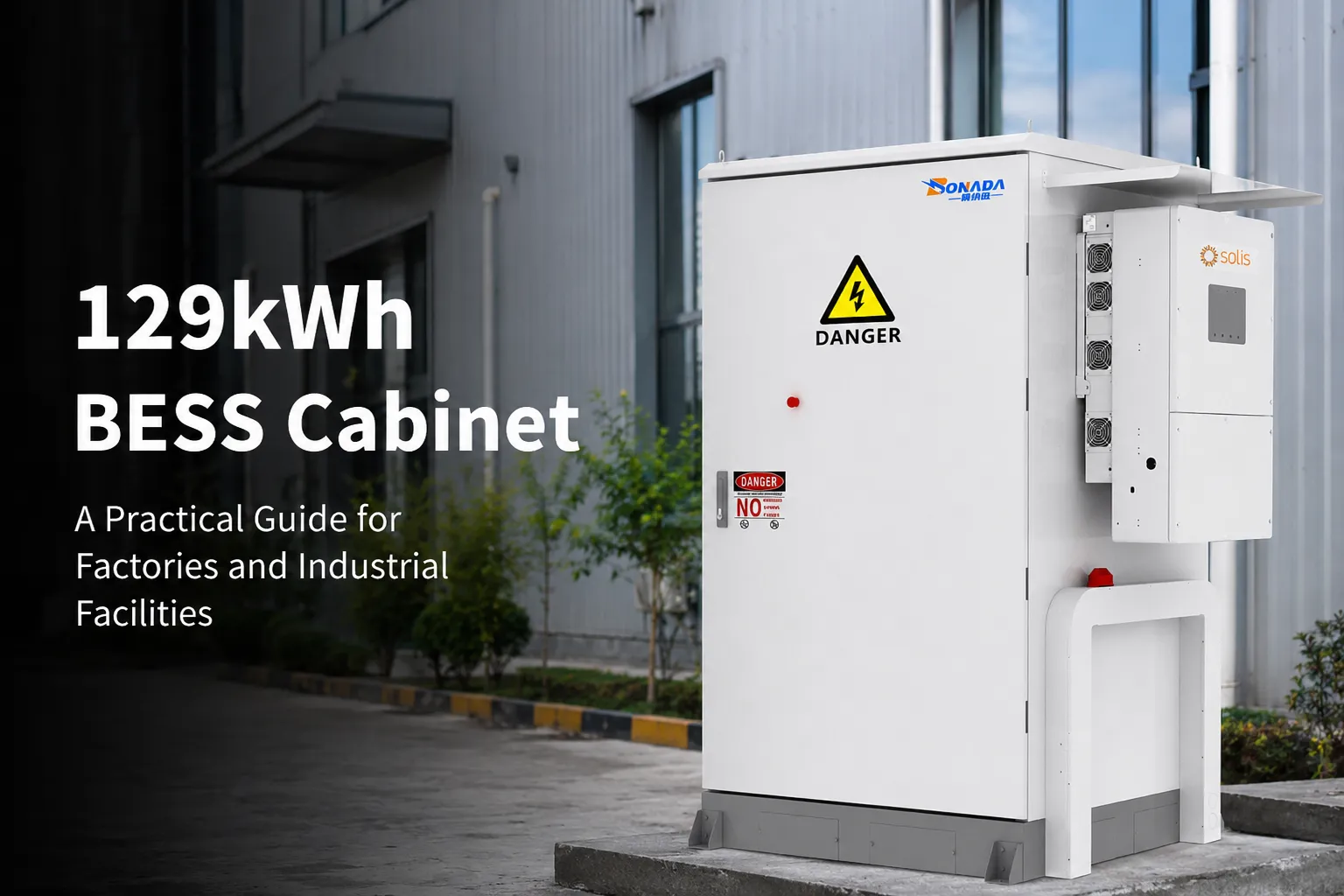
Electricity is one of the largest operating expenses for many factories. The problem is not always the total amount of electricity a facility consumes. In many markets, a factory can face significantly higher charges simply because its power demand reaches a high level for a short period.
129kWh BESS Cabinet: Complete Guide to Capacity, Components, Applications and Sizing
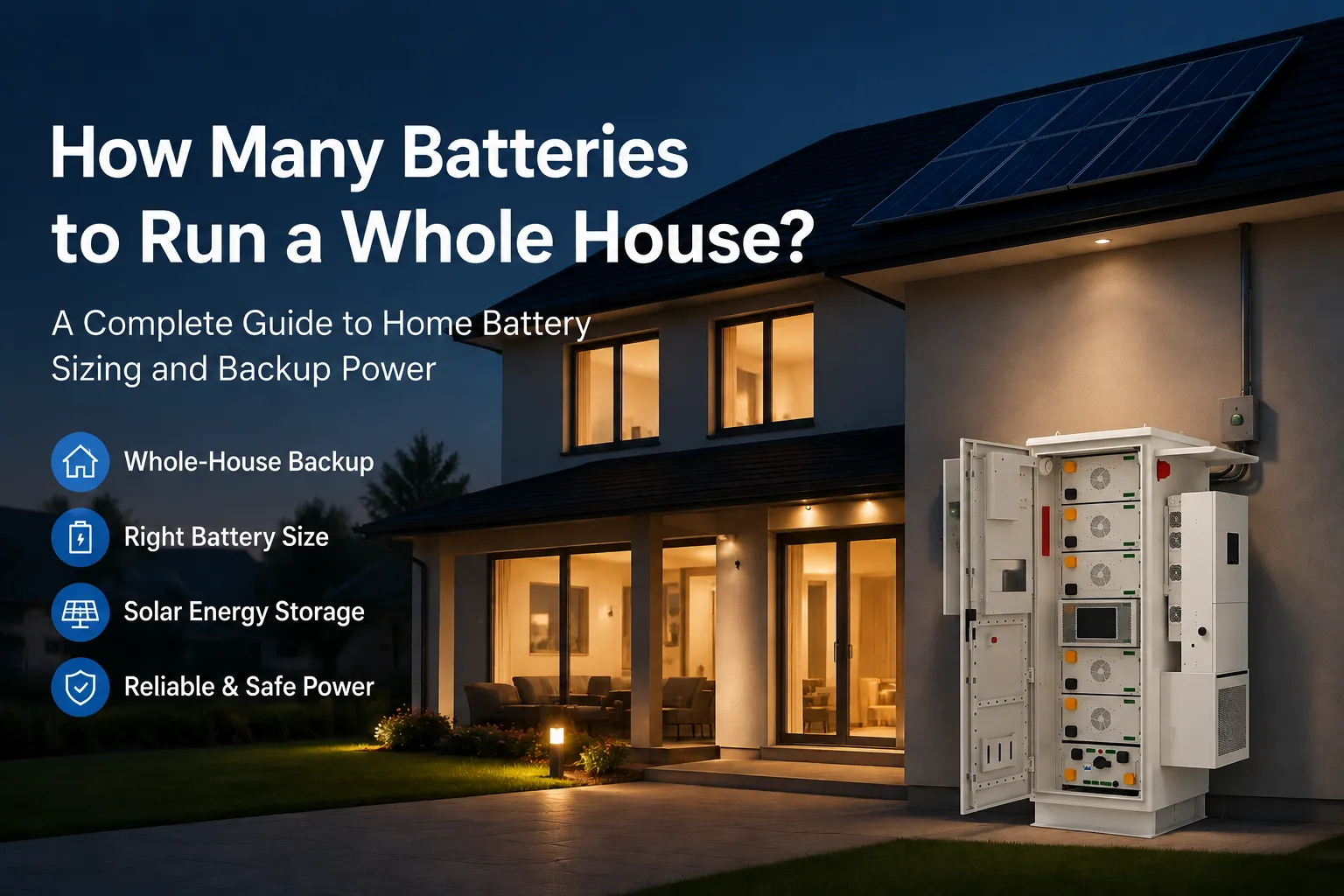
One of the first questions homeowners ask when considering solar storage or backup power is: How many batteries to run a whole house? It sounds like a simple question, but the answer is different for every home. A battery system that works well for a small house with basic backup needs may not be enough for a larger property running air conditioning, electric heating, or an EV charger.
How Many Batteries to Run a Whole House? A Practical Home Battery Sizing Guide
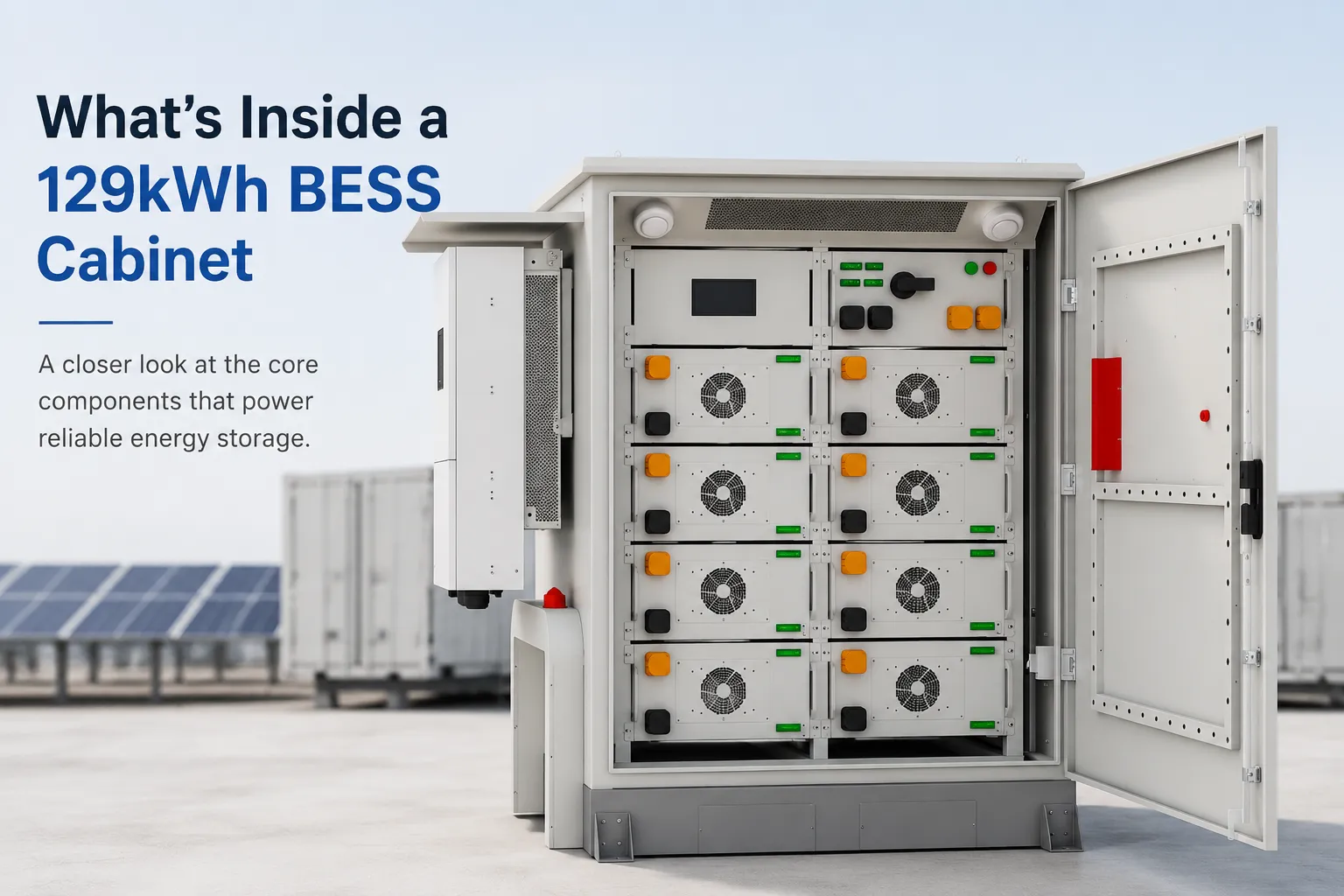
A typical 129kWh BESS cabinet contains much more than battery cells. Inside the enclosure, multiple systems work together, including battery modules, Battery Management System (BMS), high-voltage protection units, Energy Management System (EMS), cooling equipment, fire protection devices, and communication components. Each part has a specific role in maintaining safe and stable energy storage operation.
What's Inside a 129kWh BESS Cabinet? A Complete Breakdown of Internal Components
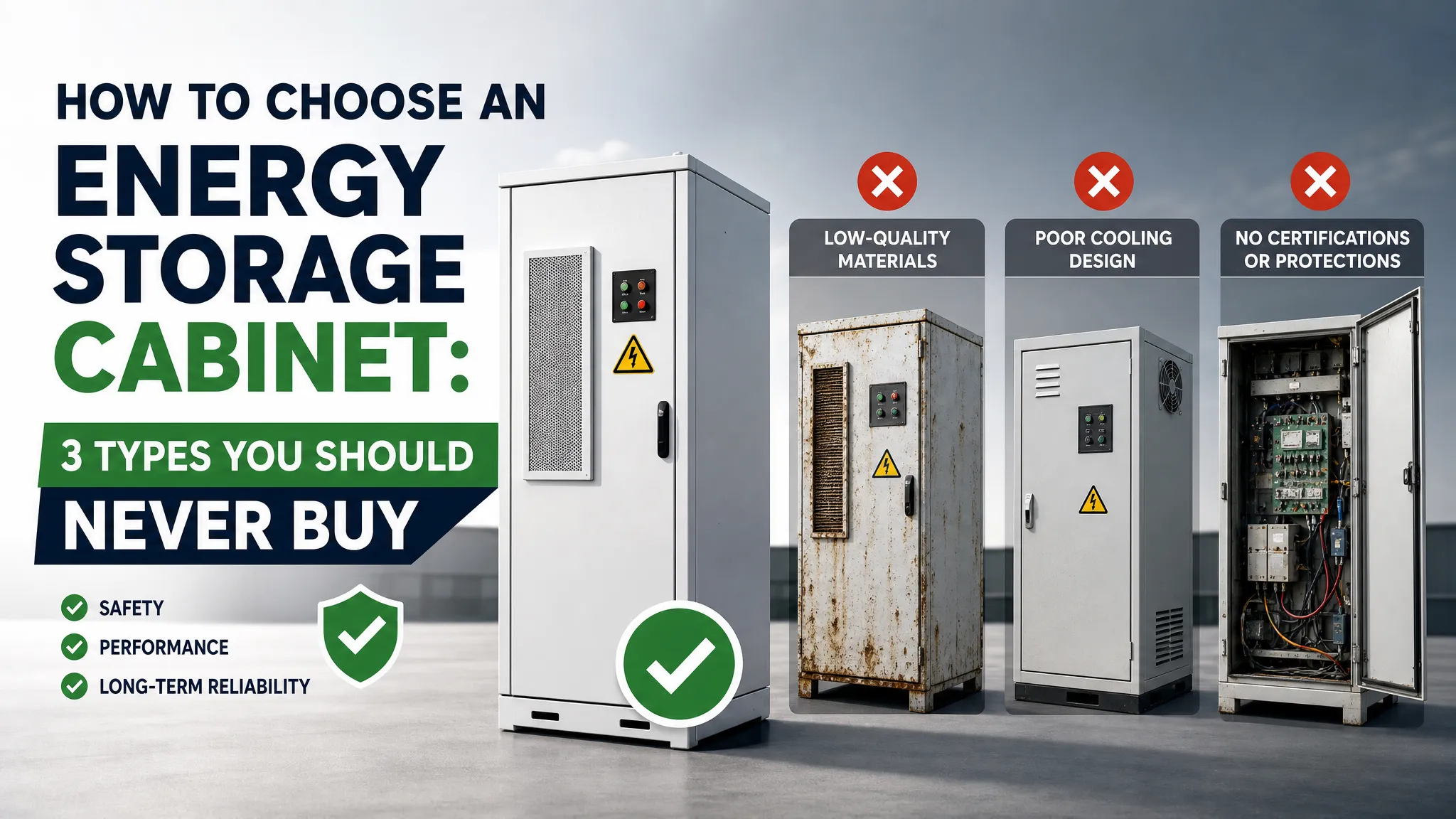
When sourcing a Battery Energy Storage System (BESS), most buyers obsess over cell capacity, inverter brands, and price per kilowatt-hour. The enclosure? It’s usually an afterthought—treated as a simple metal box. That is a massive financial and operational mistake.
How to Choose an Energy Storage Cabinet: 3 Types You Should Never Buy