
Electrical Energy Unit Basics: kW, kWh and Energy Consumption Calculations
2025-08-13
Electricity in our daily life and industrial production usually involves 2 types of electrical unit, kW and kWh. We see this every day - an appliance saying - "power 2kW", an electricity bill saying - "300kWh this month", a new energy vehicle battery stating - "70kWh capacity"...But people easily confuse the 2 units of measurement, often interchangeable in their minds. In fact, the power associated with kW is fundamentally different from energy which is what kWh represents. The distinction between these two electrical concepts allows us to better manage electricity consumption and make smarter decisions when purchasing appliances or planning new energy equipment.
kW vs. kWh: The Fundamental Manner in which they Differ
To better explain the correlation between the two terms, we could start with the definitions for "power" and "energy":

kW (Kilowatt): Unit of Power, to designate "speed of electricity usage"
kW is a unit of "power", which stands for "kilowatt" (1kW = 1000 watts). Power explains how quickly energy is used or generated over time, which can be equated to "speed of electricity usage". For example:
- An air conditioning unit with a power of 1.5kW means its "speed" of energy consumption per hour is 1.5 kilowatts;
- A 100W lightbulb (i.e., 0.1kW) has a much slower speed of electricity usage than an air conditioning unit;
- A solar inverter with a power of 5kW means it can input up to 5kW of electricity into the grid or to energy storage devices every hour.
To be candid, from this perspective, the higher the power of a device, the "faster it uses electricity". For an example, when the device is running for 1 hour, a 2kW electric water heater expends more energy than a 1kW electric fan.
kWh (Kilowatt-Hour): A Unit of Energy, meaning, "Total Electricity Used"
kWh refers to "energy", or "kilowatt-hour", usually referred to as "degree" in everyday life (1kWh = 1 degree of electricity). It shows how much energy has been used, or energy that has been generated, over a period, calculated as follows:
Energy (kWh) = Power (kW) × Time (hours)
Example:
- A 1kW appliance used continuously for 1 hour will consume 1kWh (1 degree of electricity);
- A 2kW air-conditioner used for 3 hours will have a total electricity of 2kW × 3h = 6kWh;
- A new energy vehicle with a 70kWh battery capacity means it can store up to 70 degrees of electricity and on the basis it can be used to operate the vehicle a specific distance.
In summary, kWh is simply the result of "power" multiplied by "time", and represents "how much electricity was used in total"—this will be the fundamental basis for calculating electricity bills in future.
kW to kWh: Formulas and Examples
Since energy (kWh)=power (kW) × time (hours), converting kW to kWh is straightforward. Simply determine the power (kW) of the device and duration of usage, then fill numbers into the formula to determine total energy usage.
1. Basic Conversion Formula
Total Energy Usage (kWh) = Device Power (kW) × Usage Time (hours)
In the opposite regard, if you know the total energy usage and time, you can also find the power:
Device Power (kW) = Total Energy Usage (kWh)/Usage Time (hours)
In the opposite regard, if you know the total energy usage and time, you can also find the power:
Device Power (kW) = Total Energy Usage (kWh)/Usage Time (hours)
2. Examples in the Real World
To make this more concrete, consider some real-world scenarios.
Scenario 1: Typical Home Refrigerator
A refrigerator has a power of approximately 0.1kW and operates 24 hours a day. Therefore, its total electricity usage is:
0.1kW × 24 hours=2.4kWh (or 2.4 degrees of electricity).
A refrigerator has a power of approximately 0.1kW and operates 24 hours a day. Therefore, its total electricity usage is:
0.1kW × 24 hours=2.4kWh (or 2.4 degrees of electricity).
Scenario 2: Typical Electric Water Heater for Bathing
A water heater has a power of 2kW and you use it for 1 hour each time. Therefore, the total electricity usage is:
2kW × 1 hour=2kWh (or 2 degrees of electricity).
A water heater has a power of 2kW and you use it for 1 hour each time. Therefore, the total electricity usage is:
2kW × 1 hour=2kWh (or 2 degrees of electricity).
Scenario 3: Solar PV Panel for Power Generation
A solar PV panel has a rated power of 300W (or 0.3kW) and provides an average of 5 hours per day of effective sunlight. Therefore, its total power generation is:
0.3kW × 5 hours=1.5kWh (or 1.5 degrees of electricity).
A solar PV panel has a rated power of 300W (or 0.3kW) and provides an average of 5 hours per day of effective sunlight. Therefore, its total power generation is:
0.3kW × 5 hours=1.5kWh (or 1.5 degrees of electricity).
Practical Applications of kW and kWh
Understanding the difference between kW and kWh can solve many practical problems in life and work:
1. Electricity Bill Calculation: Estimating Monthly Expenses with kWh
The core of electricity bill calculation is "total energy consumption (kWh) × electricity price". Assuming the local electricity price is 0.5 yuan/kWh, you can estimate the electricity bill in advance based on device power and usage time:
- A washing machine with a power of 1.2kW is used 3 times a week, 0.5 hours each time. Its weekly electricity consumption is:
1.2kW × 0.5h × 3 = 1.8kWh, and the weekly electricity bill is 1.8 × 0.5 = 0.9 yuan.
2. Appliance Purchasing: Power (kW) Determines Usage Efficiency
When purchasing appliances, power (kW) directly affects usage efficiency and energy consumption:
- High-power appliances (such as a 3kW electric oven) heat quickly but consume more electricity in a short time, suitable for scenarios requiring quick completion;
- Low-power appliances (such as a 0.5kW rice cooker) heat slowly but are more energy-efficient when used continuously, suitable for long-term low-load operation scenarios.
3. New Energy Equipment Planning: Matching Power and Capacity
In fields such as solar energy, energy storage, and electric vehicles, the combination of kW and kWh is particularly important:
- Solar Systems: The power (kW) of solar panels determines the speed of power generation, and the capacity (kWh) of energy storage batteries determines the total amount of electricity stored. For example, a 5kW solar panel generating electricity for 5 hours a day can produce 25kWh of energy, requiring a battery of at least 25kWh for storage;
- Electric Vehicles: The motor power (kW) affects acceleration performance, and the battery capacity (kWh) determines the driving range. For example, a 70kWh battery, if the vehicle consumes 15kWh per 100 kilometers, has a theoretical range of approximately 467 kilometers;
- Charging Piles: The power of fast-charging piles (e.g., 60kW) determines the charging speed. The higher the power, the shorter the time required to fully charge a battery with the same kWh capacity (a 60kW charging pile takes about 1.2 hours to charge a 70kWh battery).
Common Misunderstandings: Stop Mixing Up kW & kWh
In practice, many people fall into these misunderstandings leading them to make incorrect conclusions:
Misunderstanding 1: "This battery is 5kW - how much electricity can it store?" Wrong: Battery storage is expressed in kWh (while kW is a unit of power). The correct phrasing should say:
"a 5kWh battery can store 5 degrees of electricity.
Misunderstanding 2: "Energy-consuming appliances must be high-powered."
Wrong: Energy depends on total energy consumption (kWh). For example, a 2kW air conditioner used for 1 hour (2kWh) could consume less energy than a 1kW fan used for 3 hours (3kWh).
Misunderstanding 3: "A 10kW solar panel can produce 10 degrees of electricity each day." Wrong: When talking about power generation, you must be aware of how long the sun shines. A 10kW solar panel can only generate 10kW times the amount of sunlight hours. A 10 kW solar panel with 6 hours of sun 1 day will generate: 10kW × 6h = 60kWh (60 degrees of electricity).
Overview: Understanding kW and kWh for Transparent Electricity Use
Two simple units of measure in the world of electricity: kW is “speed of electricity use”, while kWh is “total electricity consumption”. Whether it is reducing the energy consumption of household appliances, or designing new energy systems, understanding these two terms, as well as their conversion factors, will help us:
- Accurately calculate electricity bills, and reduce waste of electricity;
- Scientifically select household appliances in order to achieve a working balance between efficiency and amount of energy consumed;
- Reasonably design new energy equipment to ensure the best matching of power and capacity.
So, the next time you see a label on an appliance, or an electricity bill, try calculating with the equation—there is lots of useful electricity-savvy knowledge in the front of these electrical units!
kW vs kWh: The Fundamental Manner in which they Differ
Solar Energy For Companies: Chinese local best energy company contrast
Related Article
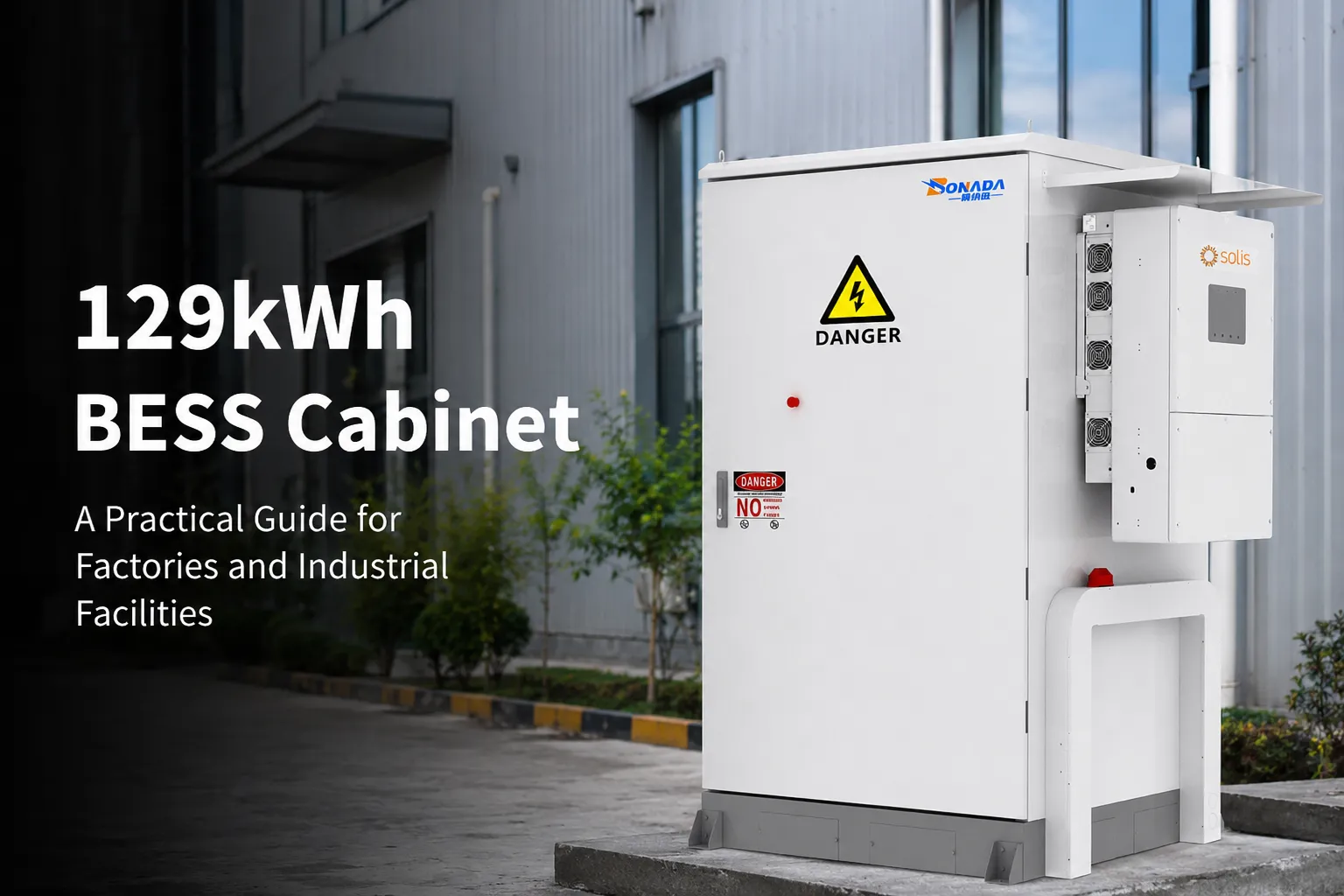
Electricity is one of the largest operating expenses for many factories. The problem is not always the total amount of electricity a facility consumes. In many markets, a factory can face significantly higher charges simply because its power demand reaches a high level for a short period.
129kWh BESS Cabinet: Complete Guide to Capacity, Components, Applications and Sizing
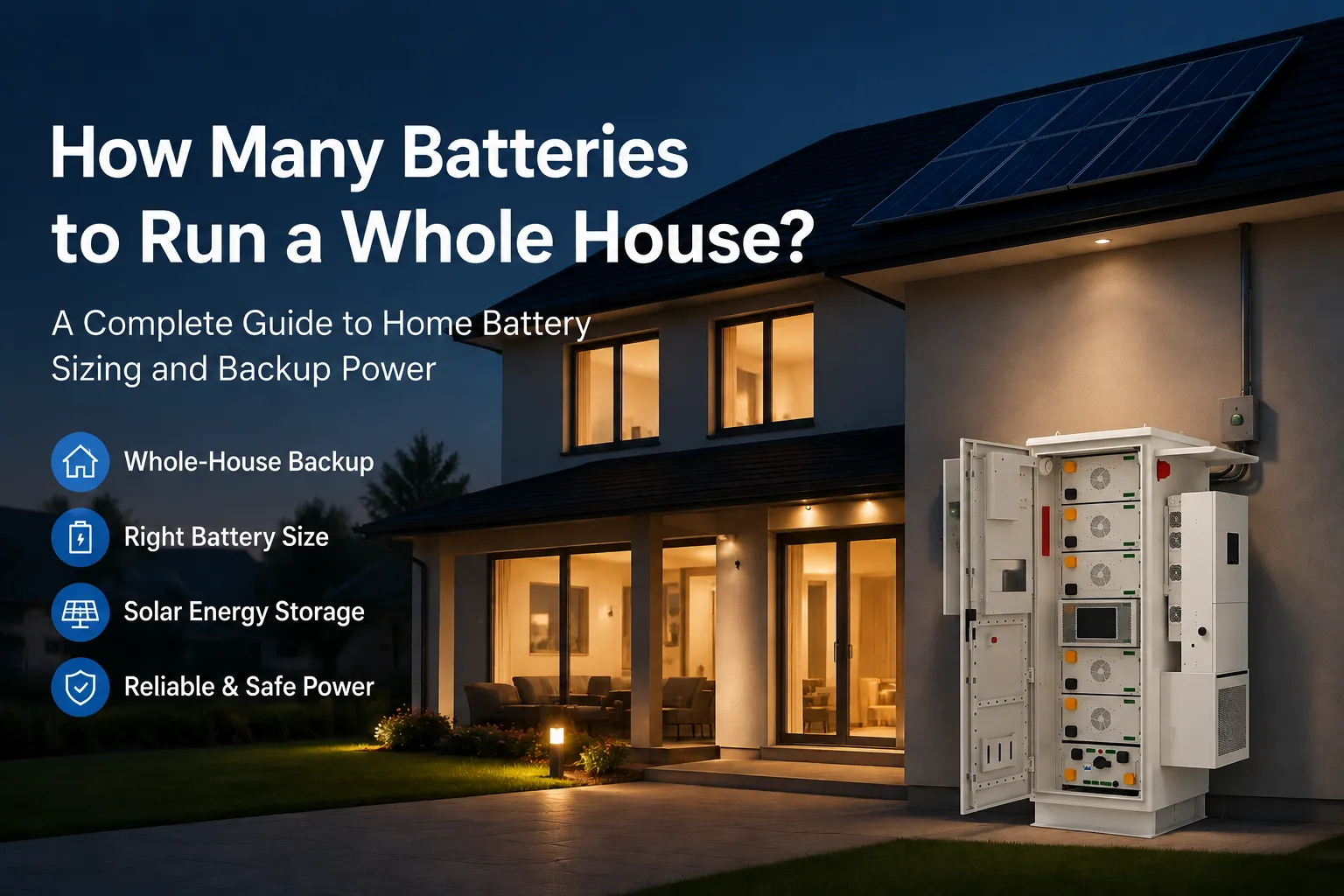
One of the first questions homeowners ask when considering solar storage or backup power is: How many batteries to run a whole house? It sounds like a simple question, but the answer is different for every home. A battery system that works well for a small house with basic backup needs may not be enough for a larger property running air conditioning, electric heating, or an EV charger.
How Many Batteries to Run a Whole House? A Practical Home Battery Sizing Guide
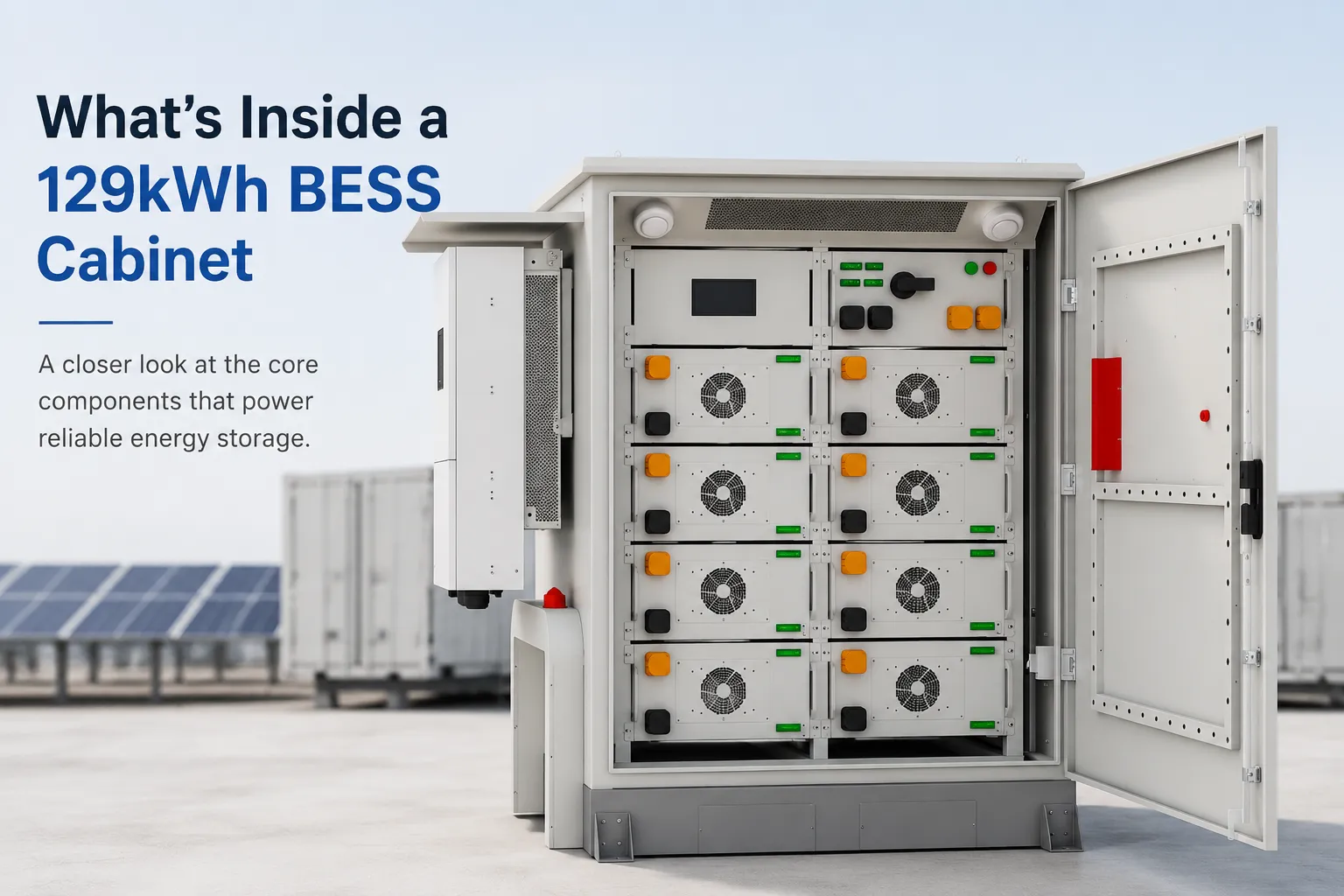
A typical 129kWh BESS cabinet contains much more than battery cells. Inside the enclosure, multiple systems work together, including battery modules, Battery Management System (BMS), high-voltage protection units, Energy Management System (EMS), cooling equipment, fire protection devices, and communication components. Each part has a specific role in maintaining safe and stable energy storage operation.
What's Inside a 129kWh BESS Cabinet? A Complete Breakdown of Internal Components
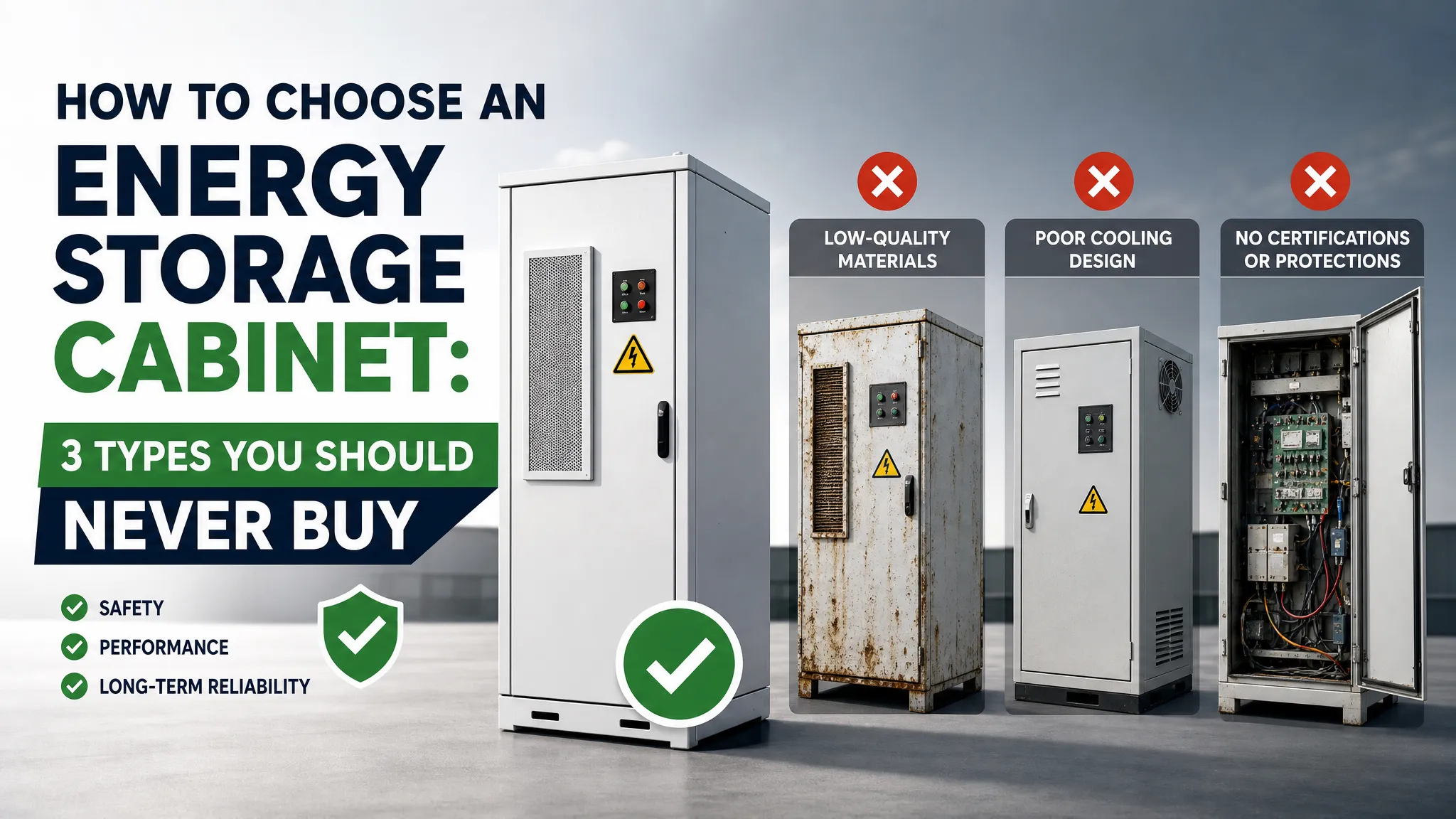
When sourcing a Battery Energy Storage System (BESS), most buyers obsess over cell capacity, inverter brands, and price per kilowatt-hour. The enclosure? It’s usually an afterthought—treated as a simple metal box. That is a massive financial and operational mistake.
How to Choose an Energy Storage Cabinet: 3 Types You Should Never Buy