Stop Overpaying for Farm Power: How Battery Storage Reduces Energy Costs
Energy costs have become a growing concern for modern farms, especially those running irrigation systems, cold storage, or automated feeding equipment. Instead of relying entirely on the grid, more farm operators are now turning to battery storage systems to stabilize their power usage and reduce long-term expenses.
By storing energy from solar arrays or other on-site generation, farms can continue operating during outages and avoid expensive peak-time electricity rates. In real-world deployments, this setup often shifts energy from daytime overproduction into nighttime usage, making the overall system far more efficient.

Why Battery Storage Makes Sense for Farms
Farming today depends heavily on reliable electricity, but grid power isn't always stable or cost-effective. Short outages, voltage drops, or peak pricing can directly impact productivity and operating costs.
A well-designed storage system essentially acts as a local energy buffer. It doesn't replace the grid entirely, but it gives farms much more control over when and how electricity is used — which is where most of the savings come from.
What Actually Changes After Installation
- Less exposure to peak pricing: Batteries discharge during high-demand periods instead of pulling expensive grid power.
- Better use of solar energy: Excess generation during the day is stored instead of wasted.
- Operational stability: Critical systems keep running even during short outages.
In one dairy project we worked on, peak demand charges dropped by roughly 25–30% after integrating a mid-sized storage cabinet with the existing solar system. The biggest savings didn’t come from generating more energy — but from using it at the right time.
Why High-Voltage Systems Are Often Used
For larger farms, system layout becomes a real constraint. Equipment can be spread across long distances, and moving large amounts of power efficiently is not trivial.
That’s why many industrial-scale systems use a 1000V DC architecture instead of traditional low-voltage setups. In simple terms, higher voltage means lower current for the same power level, which reduces heat loss in cables and improves overall efficiency.
In practical installations, this also allows longer cable runs between solar arrays and battery cabinets without significant losses — something that matters a lot on large agricultural sites.
Peak Shaving: Where Most Savings Come From
One of the biggest cost drivers for farms isn’t total energy usage — it’s peak demand. When heavy equipment starts up, power usage can spike sharply for a short period, and utilities often charge based on that peak.
A storage system can respond almost instantly, supplying power during those spikes so the farm never crosses into a higher billing tier. This process, known as peak shaving, is often the fastest way to see a return on investment.
Choosing the Right System
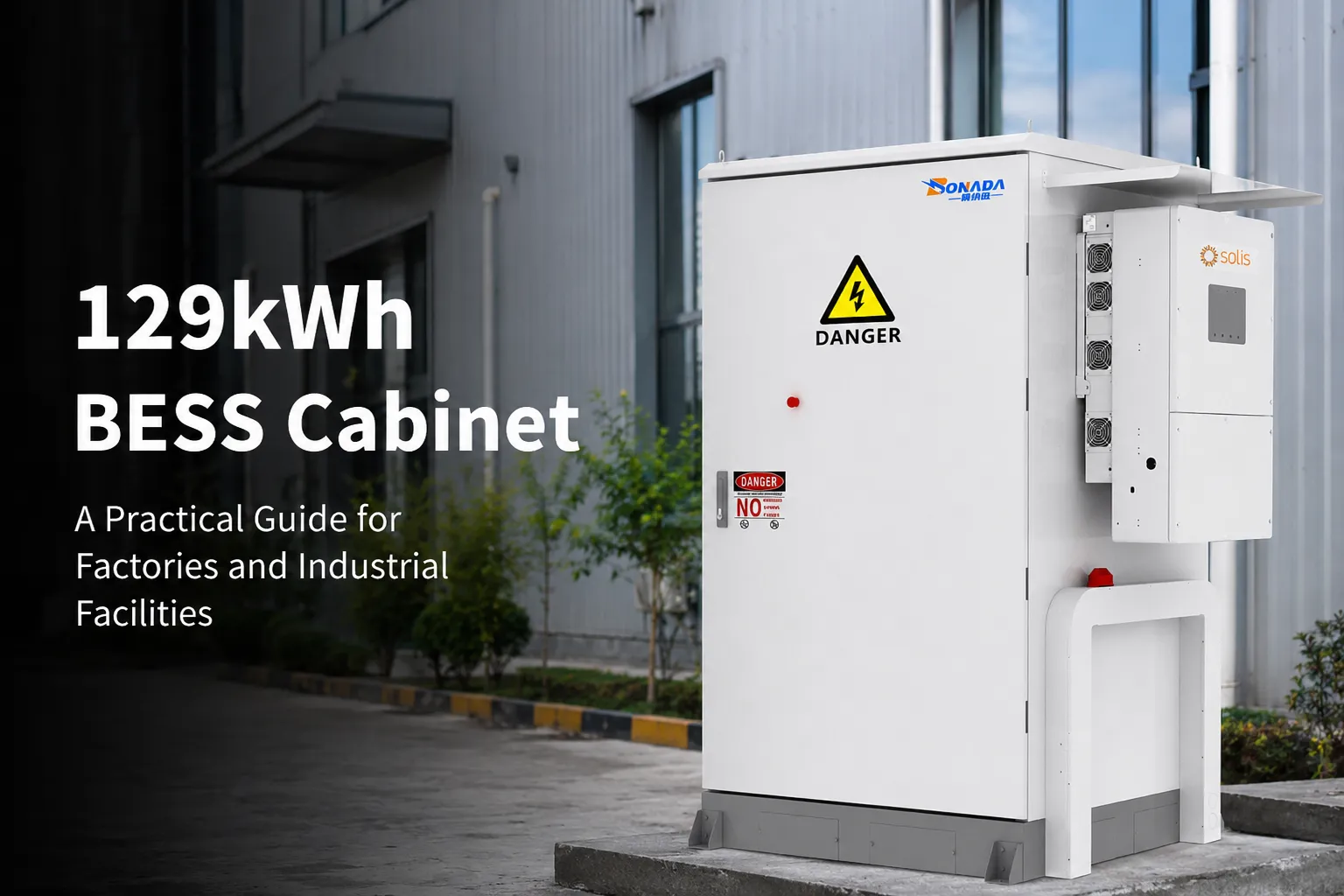
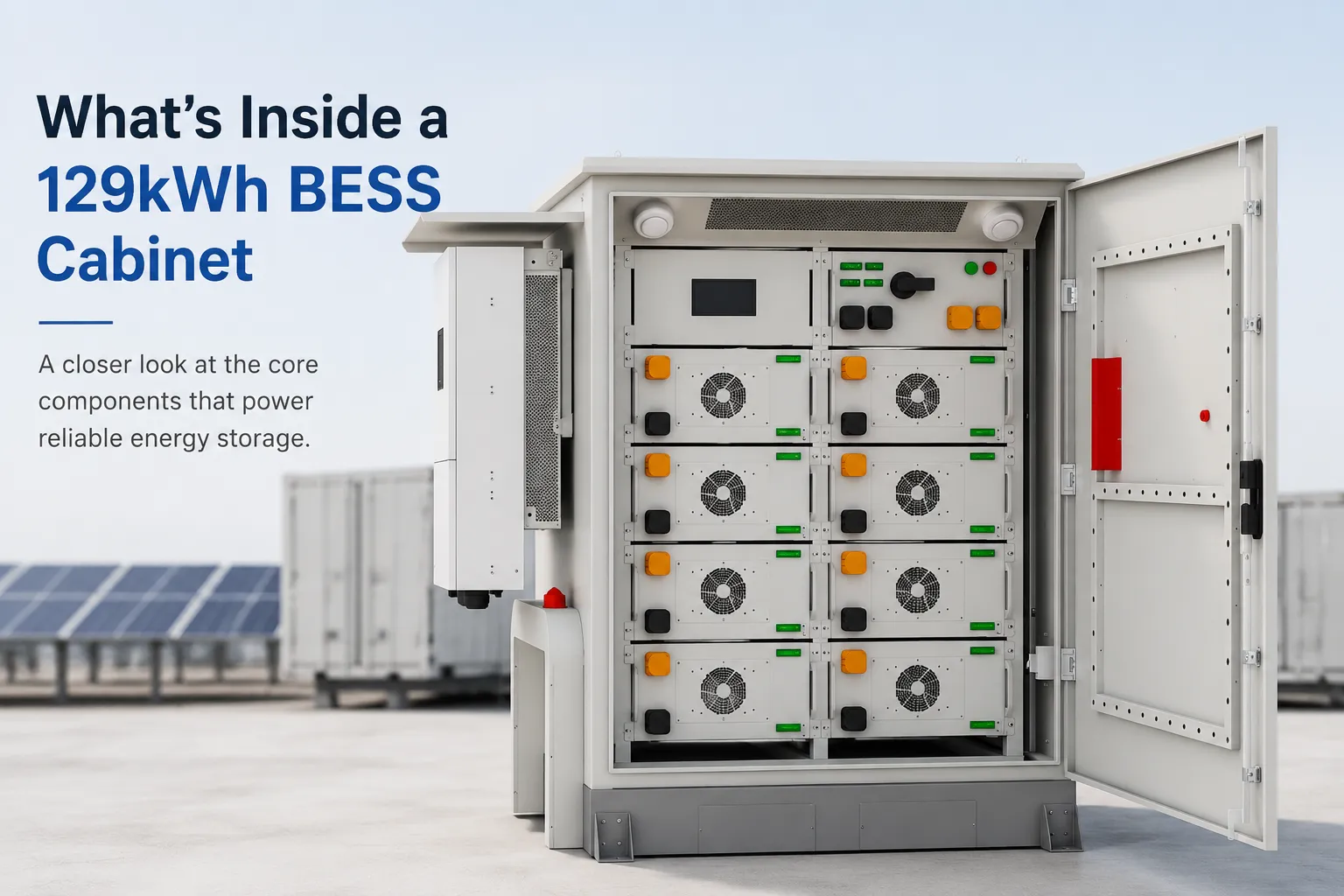
Not every farm needs a large or complex setup. Smaller operations may benefit more from a simpler configuration, while larger facilities require careful system design, especially when integrating solar, PCS, and battery management systems.
Environmental conditions also matter. Dust, temperature swings, and continuous operation cycles all affect system performance over time, so equipment selection should be based on actual site conditions — not just specifications on paper.
Friendly Reminder
Battery storage is no longer just an add-on for renewable energy systems. For many farms, it has become a practical tool for managing energy costs and improving operational reliability.
The key is not simply installing a battery, but designing a system that matches how the farm actually consumes power. When done correctly, the savings are predictable — and often significant.
Real-World Farm Energy Storage: Frequently Asked Questions
1. I already have a large solar array. Why is my electricity bill still so high during harvest season?
The issue is likely Peak Demand Charges. Solar generation is passive; your heavy equipment (like grain dryers or conveyors) often creates massive power spikes that exceed your solar output. The utility company charges a premium for these spikes. A battery system acts as a buffer, discharging instantly to cover those spikes so the grid never "sees" them.
2. Is it actually worth going 100% off-grid for a commercial farm?
Honestly? For most commercial operations, probably not. Going 100% off-grid requires massive over-sizing to handle "worst-case" winter weeks, which kills your ROI. The "sweet spot" is Grid-Tied Storage. You stay connected for baseline power but use the batteries for peak shaving and emergency backup.
3. Farms are dusty and temperatures swing wildly. Won't that kill the batteries?
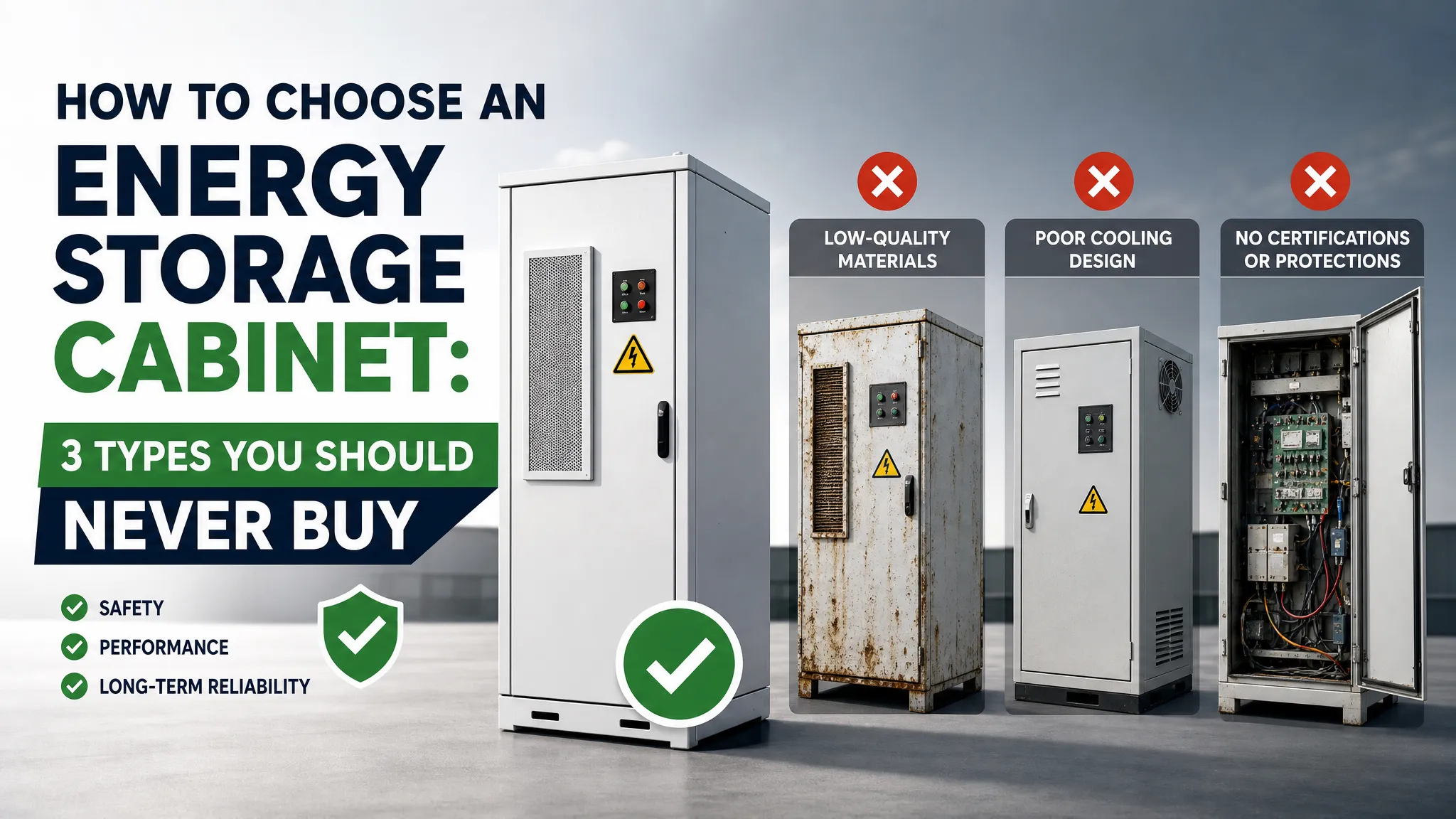
If you use consumer-grade batteries, yes. For farm environments, you need industrial-grade LiFePO4 (LFP) cells in IP54 or IP65 rated enclosures with active thermal management. These are engineered to handle the "rugged" reality of a barn—dust, vibration, and temperature swings.
4. I've heard low-voltage systems are safer. Why recommend 1000V DC setups?
On a sprawling farm, the distance between solar panels and equipment can be hundreds of feet. In a 48V system, this causes massive voltage drop and heat loss. A 1000V DC high-voltage architecture drops the current significantly, meaning less heat, thinner (cheaper) cables, and much higher efficiency.
5. How do I know if a battery system will actually pay for itself?
It comes down to your Load Profile. If you have "spiky" loads—like dairy vacuum pumps or seasonal irrigation—the ROI is much faster because you are attacking those expensive demand charges. Analyzing your 15-minute interval data from your utility provider is the most accurate way to project savings.
Need a Practical System Layout?
If you're evaluating battery storage for a farm project, it's worth starting with a basic load analysis and layout plan. A properly designed system will always outperform an oversized or poorly integrated one.
Request a Farm Energy LayoutUPS vs BESS: Key Engineering Differences and Practical Selection Guide
Differences Between Inverters and PCS: How to Choose the Right System for Energy Storage
Related Article