
How to Properly Dispose of Used Lithium-Ion Batteries? A Comprehensive Guide
2025-06-02
With more electronic devices in our lives than ever before, how to safely dispose of spent lithium-ion batteries has become a global environmental challenge. Each year in the United States, millions of pounds of lithium batteries are thrown away. Improper disposal poses not only a grave environmental impact, but severe safety issues as well. In this article, we will explain how lithium-ion batteries are structured and how they work, review their inherent potentials for safety hazard, and highlight science-based ways to dispose of lithium batteries as an inclusive, compliance-focused guide.

I. Lithium-Ion Batteries: Structure and Function
Lithium-ion batteries have a cathode (most often lithium cobalt oxide or lithium nickel manganese cobalt oxide), an anode (graphite), an electrolyte (liquid or solid lithium ion conductor), and separator. The battery works by intercalating and deintercalating lithium ions in the cathode and anode where energy and storage are facilitated. The high energy density and long cycle life have led to the widespread use of lithium batteries in smartphones, laptops, and electric vehicles. When degraded end-of-life batteries are not handled properly as waste, they turn into "invisible hazards."
II. Battery Life Cycle: Environmental Effects from Cradle to Grave
- Exploration: There is frequently environmental harm (i.e., wetland degradation from lithium extraction) and social impacts (i.e., children mining cobalt in the Congo) associated with extracting raw materials from the lithum-ion battery supply chain.
- Manufacturing: During the production phase, chemicals may be emitted into air and water bodies.
- Use: The risks are low when operating normally, but overheating can be caused through excessive charging or a short-term circuit.
- End-of-day: Globally only ~5% of used lithium batteries are recycled effectively. The rest are either disposed of in landfill sites or incinerated, which can leach heavy metals into water bodies or release toxic gases.
III. The Risks of Lithium Batteries: Safe But Not!
- The safety aspects: Damaged batteries (e.g., from crushing, puncturing, or heat exposure) may experience internal short circuits, leading to spontaneous combustion or explosions. In 2023, a lithium battery leak triggered a fire in a U.S. waste facility, causing millions in damages.
- Environmental Pollution: Metals like cobalt, nickel, and lithium seep into soil and groundwater, threatening flora, fauna, and human health. Electrolyte components (e.g., carbonates) can damage the ozone layer when volatilized.
- Human Health Impacts: Prolonged exposure to leaked heavy metals (e.g., cobalt) may cause neurological damage, respiratory illnesses, and carcinogenic effects.
IV. The Imperative of Proper Disposal: Legal and Ecological Imperatives
Environmental Consequences: Unavoidable Ecological Costs
- A single smartphone lithium battery, if landfilled, can contaminate 60,000 liters of water—equivalent to three Olympic-sized swimming pools.
- Incineration releases highly toxic substances like hydrogen fluoride and dioxins, contributing to persistent air pollution.
Regulatory Framework: U.S. Compliance Requirements
- Under the Resource Conservation and Recovery Act (RCRA), used lithium batteries are classified as "characteristic wastes." Non-compliant disposal may incur fines of up to $25,000 per ton.
- States like California mandate that retailers accept used lithium batteries from consumers, with legal penalties for non-compliance.
V. Recycling Lithium-Ion Batteries: Scientific Processes and Practical Solutions
Recycling Workflow
- Collection & Sorting: Batteries are gathered via community drop-off points or retail recycling bins and categorized by type (e.g., cylindrical, pouch) and capacity.
- Safe Transportation: Shipments use puncture-resistant containers and avoid extreme temperatures; carriers must hold hazardous waste transport credentials.
- Dismantling & Recovery: Physical shredding and chemical leaching techniques separate metals (lithium, cobalt, nickel), with advanced U.S. recyclers achieving >95% metal recovery rates for reuse in battery production.
Locating Recycling Facilities: U.S. Resource Guide
- Retailer Recycling: Chains like The Home Depot and Best Buy offer free drop-off services; use their online store locators for nearby sites.
- Community Programs: The EPA’s "Plug-In to eCycling" initiative supports state e-waste recycling days, with some cities providing curbside pickup.
- Certified Facilities: Opt for R2 (Responsible Recycling) or e-Stewards certified providers like Toxco or Redwood Materials to ensure environmental standards are met.
VI. E-Waste Management Strategies: Action Plans for Individuals and Communities
Setting Up Safe Collection Points
- Household Practices: Wrap terminals with insulating tape, store in a plastic container, and keep separate from metal objects.
- Office Settings: Install fire-safe recycling bins in common areas with warning labels, and schedule regular pickups with certified recyclers.
Implementing Community Recycling Programs
- Partner with local environmental agencies or non-profits (e.g., Earth911) for operational guidance.
- Promote initiatives through municipal notices and social media to raise awareness.
- Collaborate with schools and businesses to launch incentive programs (e.g., "recycle batteries for rewards") to boost participation.
VII. Key Takeaways and Best Practices: Principles for Responsible Disposal
- Safety First: Avoid DIY disassembly; ensure proper insulation before transport.
- Regulatory Compliance: Use EPA-certified recycling channels; never discard batteries in regular waste or with unlicensed handlers.
- Circular Economy: Support products using recycled battery materials to foster a "cradle-to-cradle" industrial ecosystem.
Practical Tips for Responsible Disposal
- Prioritize brands with robust recycling programs (e.g., Apple’s GiveBack initiative) when purchasing electronics.
- For swollen or leaking batteries, isolate in a fireproof container and contact professional services immediately.
- Advocate for lithium battery recycling education within your community to drive collective action.
What to do if lithium batteries cannot be charged
How to Dispose of Used Lithium-Ion Batteries: 9 Safe Methods
Related Article
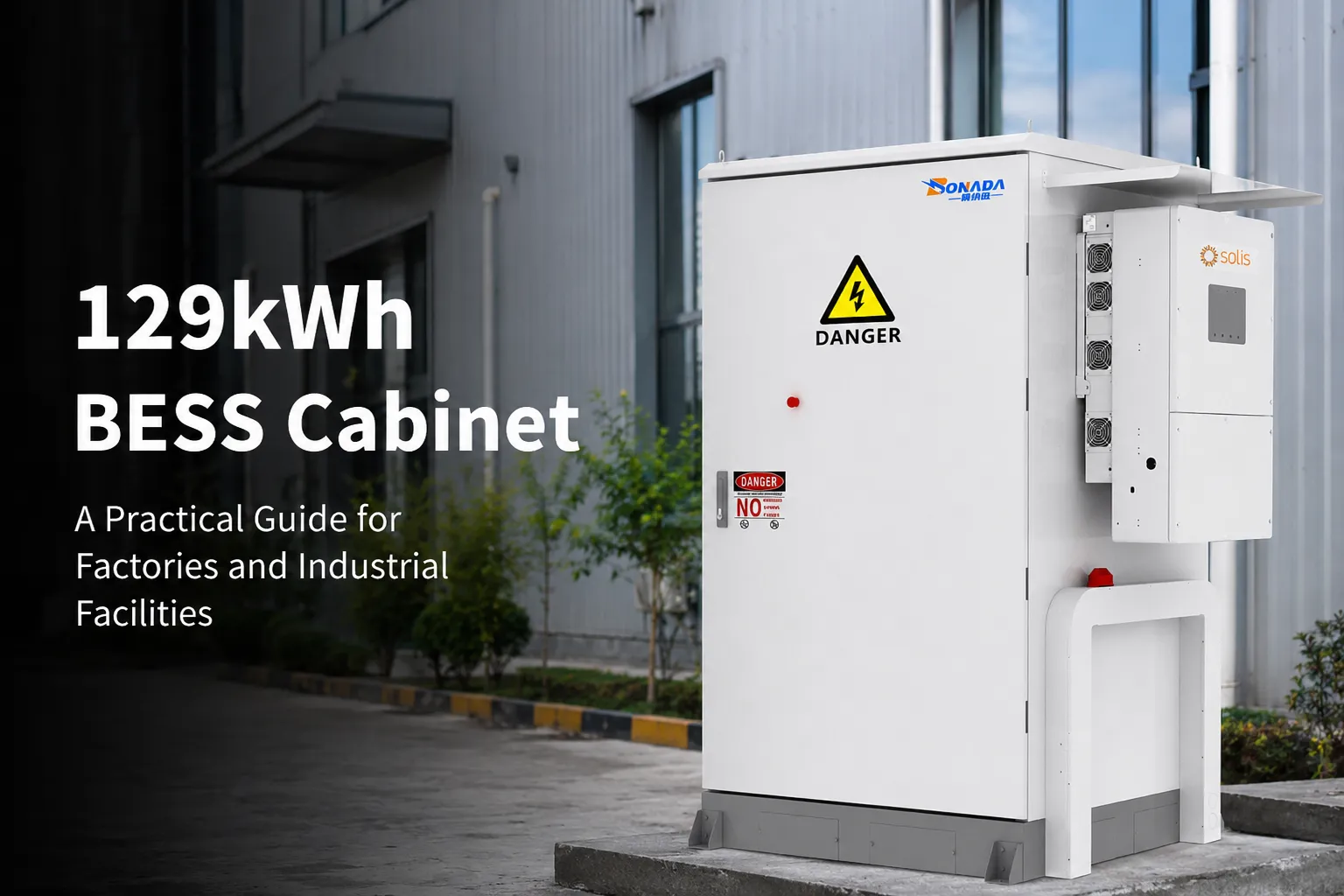
Electricity is one of the largest operating expenses for many factories. The problem is not always the total amount of electricity a facility consumes. In many markets, a factory can face significantly higher charges simply because its power demand reaches a high level for a short period.
129kWh BESS Cabinet: Complete Guide to Capacity, Components, Applications and Sizing
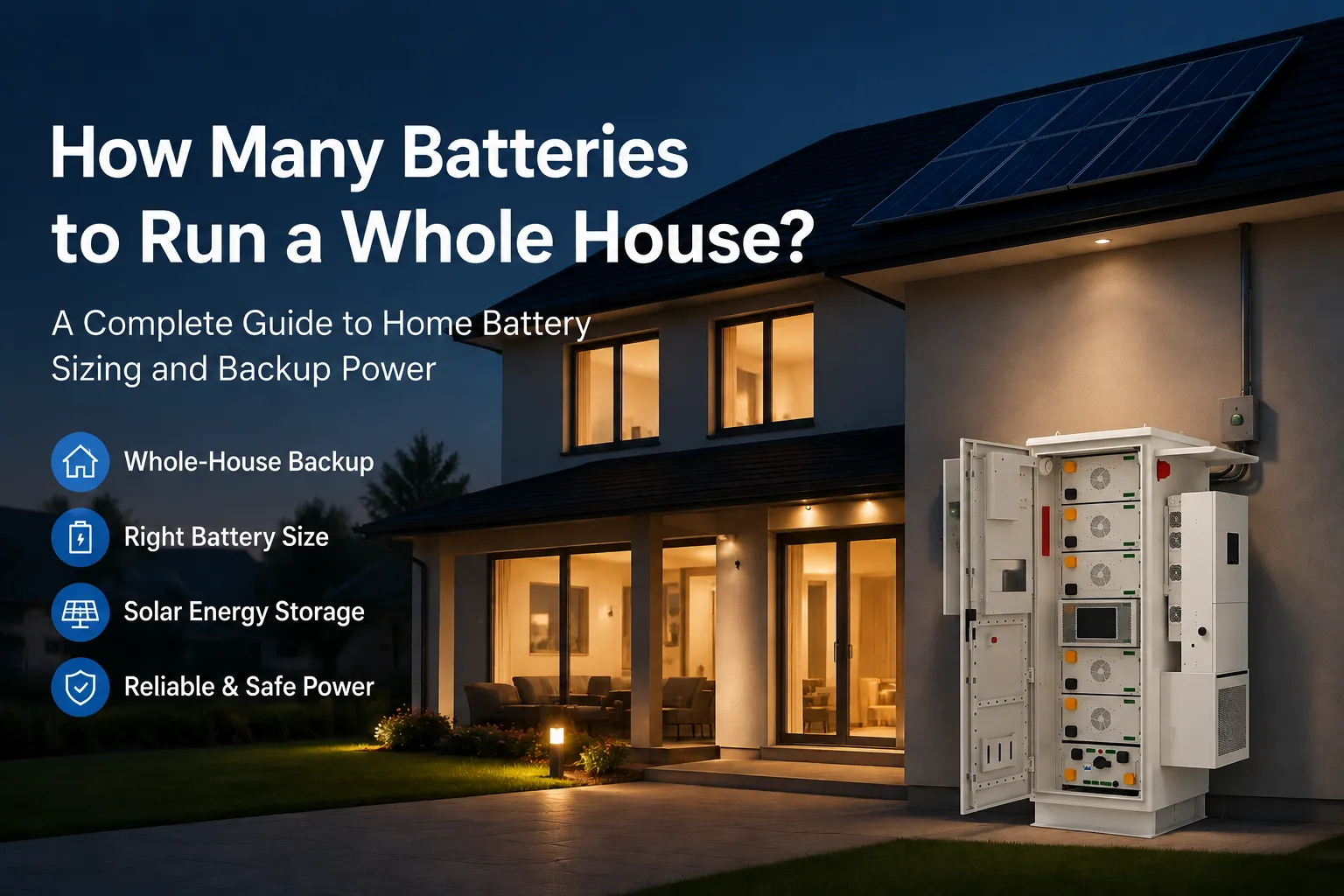
One of the first questions homeowners ask when considering solar storage or backup power is: How many batteries to run a whole house? It sounds like a simple question, but the answer is different for every home. A battery system that works well for a small house with basic backup needs may not be enough for a larger property running air conditioning, electric heating, or an EV charger.
How Many Batteries to Run a Whole House? A Practical Home Battery Sizing Guide
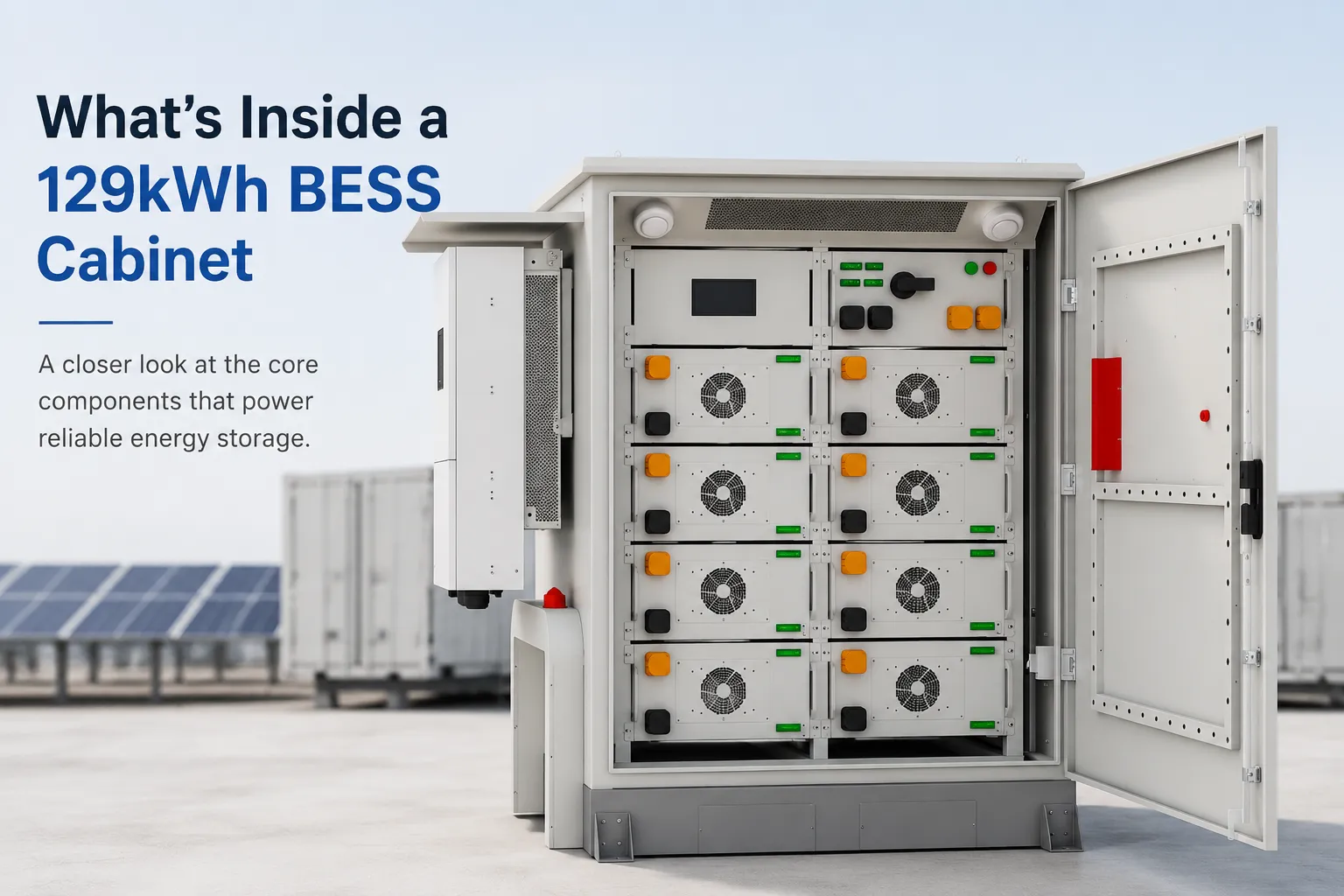
A typical 129kWh BESS cabinet contains much more than battery cells. Inside the enclosure, multiple systems work together, including battery modules, Battery Management System (BMS), high-voltage protection units, Energy Management System (EMS), cooling equipment, fire protection devices, and communication components. Each part has a specific role in maintaining safe and stable energy storage operation.
What's Inside a 129kWh BESS Cabinet? A Complete Breakdown of Internal Components
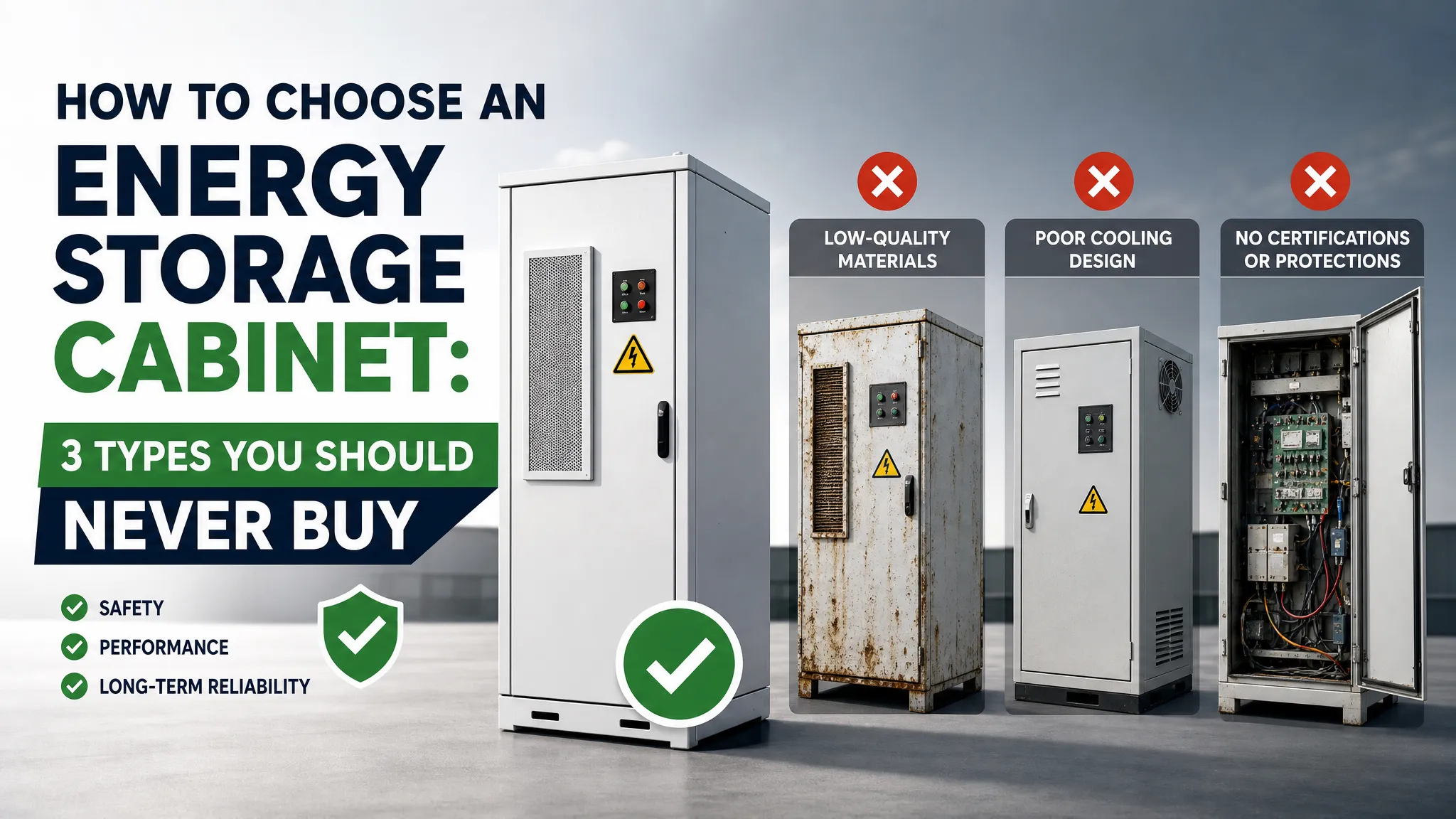
When sourcing a Battery Energy Storage System (BESS), most buyers obsess over cell capacity, inverter brands, and price per kilowatt-hour. The enclosure? It’s usually an afterthought—treated as a simple metal box. That is a massive financial and operational mistake.
How to Choose an Energy Storage Cabinet: 3 Types You Should Never Buy