BESS Cost Structure Breakdown: How EPCs Can Optimize CAPEX & LCOE
For global energy storage decision-makers, understanding cost structures is not merely about accounting—it is about identifying technical risks. A mature Battery Energy Storage System (BESS) is far more than a collection of components; it is a sophisticated integration of electrochemistry and power electronics. From a lead engineer’s perspective, I will break down the four critical cost dimensions and reveal how source-factory customization optimizes your Levelized Cost of Energy (LCOE).
BESS Cost Structure Breakdown
BESS Equipment Costs
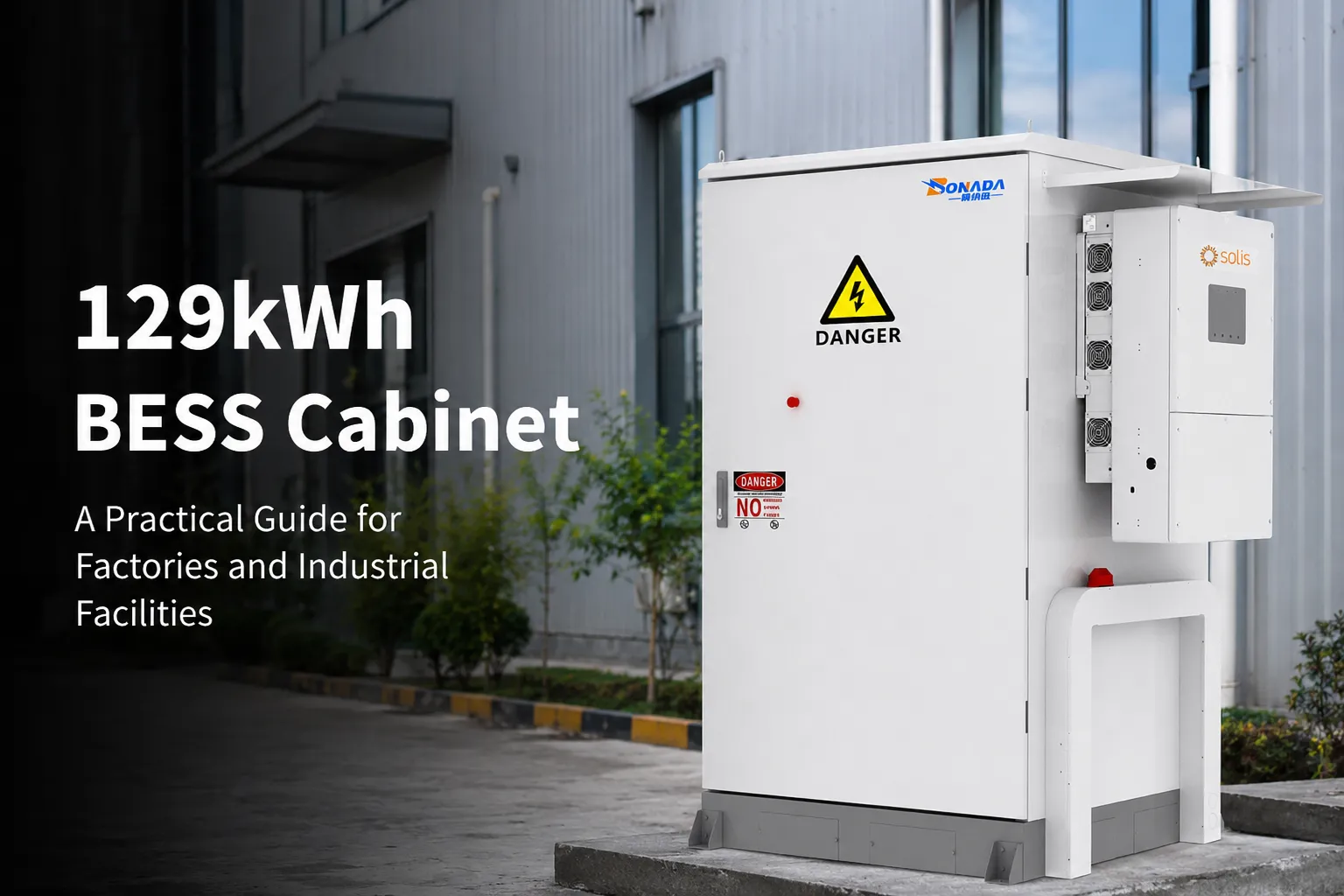
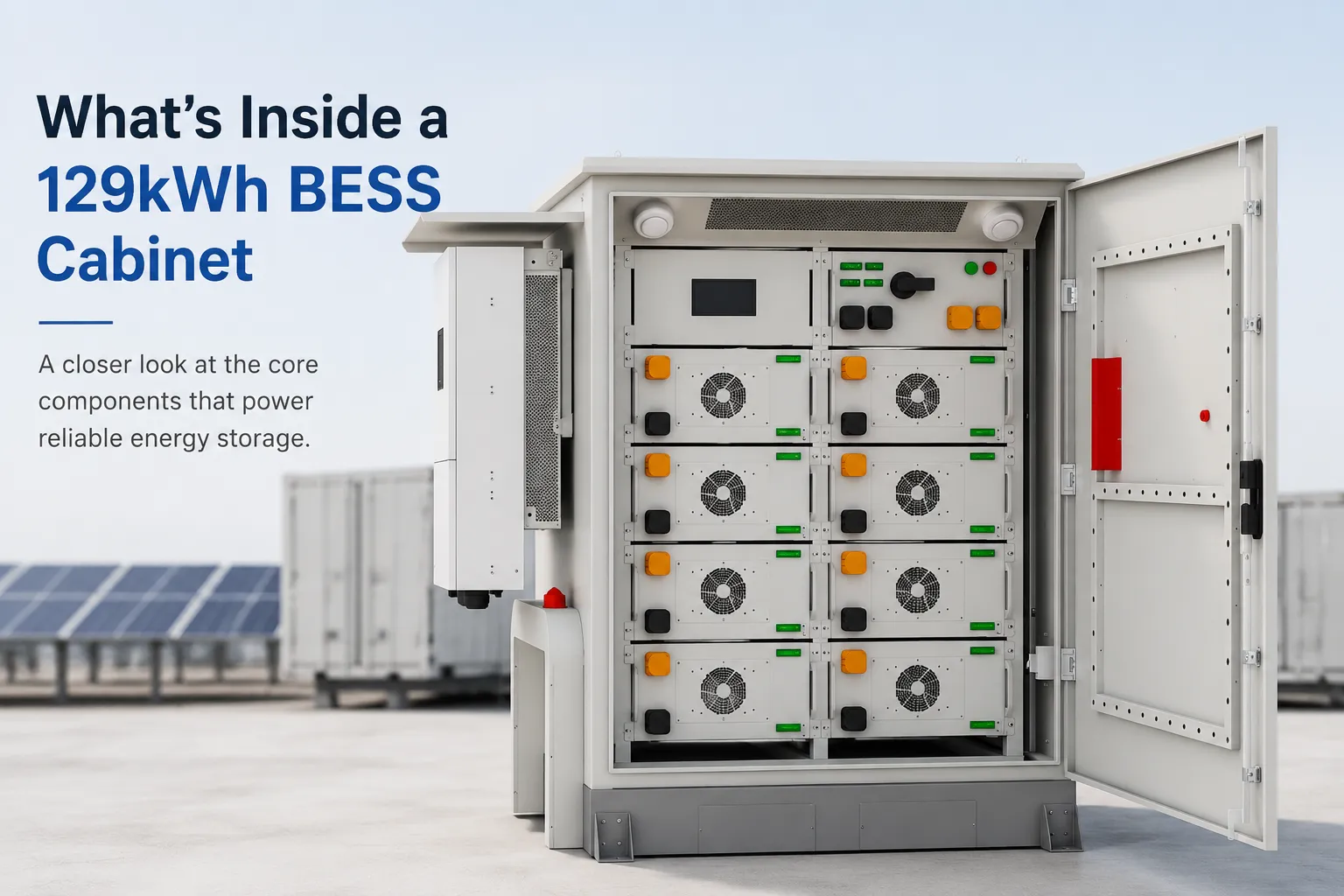
Equipment procurement (CAPEX) typically accounts for over 60% of the total investment. The grade of the cells, the processing power of the BMS, and the conversion efficiency of the inverter are the primary price drivers. Bonada utilizes Grade A LiFePO4 cells and offers deep customization from exterior branding to grid-specific logic. As a direct source factory, we eliminate intermediary markups, ensuring every dollar is converted into high-cycle hardware performance that lowers your long-term LCOE.
Installation and Commissioning Costs
This phase is where most budget overruns occur. It involves site preparation, electrical distribution, and the time-intensive process of system debugging. Bonada’s C&I storage cabinets feature an all-in-one integrated design, supporting protocol synchronization (such as Modbus or CAN). This means EPC teams avoid the struggle of decoding low-level communications on-site. Plug-and-play functionality significantly reduces installation timelines and high-cost labor hours.
Operation and Maintenance (O&M) Costs
Storage projects are 10-to-15-year commitments, making OPEX control vital. This includes monitoring system fees, parasitic power losses, and preventative maintenance. Bonada minimizes these through remote diagnostics and rigorous OQC (Outgoing Quality Control) testing. Our stable global delivery capability ensures that even in rare failure events, replacement parts arrive swiftly, preventing revenue loss from downtime during peak-shaving windows.
Other Miscellaneous Costs
Beyond hardware and labor, projects involve insurance, taxes, financing costs, and the amortization of compliance certifications (such as UL, CE, or UN38.3). Furthermore, the flexibility of future expansion is a long-term cost factor. Bonada supports capacity expansion customization, allowing clients to invest in stages as their load grows, avoiding the capital inefficiency of over-provisioning in the early years.

| Cost Category | Key Influencers | Bonada Advantage |
|---|---|---|
| Equipment | Cell Grade, Brand Premium | Factory-Direct Price + Grade A Hardware |
| Deployment | Field Debugging, Wiring | Protocol Customization for Fast Setup |
| Branding | Secondary Labelling Costs | OEM/ODM Support, Logo/Shell Customization |
Industry FAQ
Q1: Discussions often mention LCOE; which cost factor impacts it the most?
LCOE is the ratio of total costs to total energy throughput. Therefore, while equipment costs are high, doubling the cycle life via high-grade cells reduces LCOE drastically. This is why Bonada prioritizes Grade A cells.
Q2: How can installers avoid protocol failure at the project site?
This is a major pain point. We recommend specifying protocol synchronization in the procurement contract. Bonada completes BMS-Inverter handshaking at the factory to avoid repeated on-site debugging.
Q3: Does the factory-direct model provide better delivery security?
Significantly. Unlike trading companies, Bonada maintains direct control over the OQC chain and spare parts inventory. This leads to shorter lead times and direct access to R&D for technical support.
Q4: What is the practical benefit of custom grid-tie parameters for EPCs?
It minimizes the risk of failing local utility grid-entry tests. By pre-setting logic compliant with regional standards, EPCs can pass inspection in one go, accelerating project payment cycles.
Q5: Does Bonada offer specific optimizations for large systems over 100kWh?
Yes. For large-scale deployments, we provide virtual capacity expansion plans and redundant thermal management to ensure low O&M expenditure even under high-load industrial cycles.
In conclusion, BESS costs are not static numbers but variables heavily influenced by the depth of the technical solution. By choosing a partner with strong customization capabilities and source-factory delivery, EPCs and procurement officers can eliminate premiums, shorten timelines, and secure long-term yields. Bonada is dedicated to providing one-stop custom services from hardware R&D to protocol matching, turning every storage system into a high-efficiency profit center.
Need a Detailed Cost Analysis for Your Project?
Contact Bonada’s technical experts for a personalized solution and a competitive factory-direct quote.
Get Engineering SupportMCB vs MCCB in BESS: Technical Selection for EPCs & Installers
Virtual Capacity Expansion: How to Solve Factory Transformer Bottlenecks
Related Article