Energy Storage System: What is Energy Storage System Battery cycle life
2025-08-09
What is a battery's cycle life? When we talk about the cycle life of energy storage batteries, we mean the complete cycle from fully charged to fully discharged, and then fully charged again. This complete cycle is called a cycle. Cycle life indicates the number of cycles a battery can undergo before experiencing noticeable performance degradation. It's important to note that batteries don't stop functioning immediately after their last cycle. In real-world applications, many batteries continue to operate for a long time beyond their cycle life with only a slight performance degradation.
Battery cycle life is closely related to depth of discharge. Manufacturers typically specify a cycle life based on their recommended depth of discharge. If a battery is frequently used above the recommended depth of discharge, the cycle life will be shorter; if it is used below the recommended depth of discharge, the cycle life will be longer. Generally, the shorter the depth of discharge, the longer the battery's cycle life.

Definition and Standards of Energy Storage Cycle Life

1. Determination of Cycle Life
- Cycles: One complete charge and discharge cycle (e.g., using a battery from 100% to 20% and then back to 100% counts as 0.8 cycles).
- Capacity fade threshold: End of life is typically defined as when the capacity drops to 80% of the initial capacity (e.g., a lithium battery fades from 100 kWh to below 80 kWh).
2. Test Conditions
- Laboratory environment: Standard temperature (25°C), fixed charge/discharge rate (e.g., 0.5C), and a specific depth of discharge (e.g., 80% DOD).
- In actual applications, cycle life may be lower than the nominal value due to varying environments and usage habits.
Key Factors Affecting Battery Cycle Life
1. Depth of Discharge (DOD)
- Deep discharge (e.g., 100% DOD) accelerates battery aging, while shallow charge/discharge (e.g., 50% DOD) can extend battery life.
- Example: A lithium battery has a lifespan of 1,500 cycles at 100% DOD. If limited to 50% DOD, the lifespan can be extended to 4,000 cycles.
2. Temperature
- High temperatures (>35°C) cause electrolyte decomposition, while low temperatures (<0°C) induce lithium precipitation, both of which accelerate capacity fade.
- Ideal operating temperature: 15-25°C for lithium iron phosphate batteries and 20-40°C for flow batteries.
3. Charge and Discharge Rate (C-rate)
- High current charging and discharging (e.g., above 1C) generates more heat and exacerbates material structural damage.
- Recommendation: Energy storage power stations typically use a 0.2-0.5C charge and discharge rate to extend battery life.
4. Battery Chemistry
- The stability of the positive and negative electrode materials determines battery life (e.g., lithium iron phosphate is superior to ternary lithium).
- Electrolyte additives can mitigate side reactions (e.g., VC and FEC additives).
Practical Strategies for Extending Cycle Life
1. Optimizing Charge and Discharge Strategies
- Control DOD within 80% to avoid overcharge and overdischarge.
- Use an intelligent BMS for balanced battery management to prevent overvoltage and undervoltage in individual cells.
2. Enhanced Thermal Management
- Liquid cooling system maintains battery temperature between 20-30°C (temperature difference <5°C).
- Preheat the battery in a low-temperature environment before charging and discharging.
3. Regular Maintenance
- Calibrate the SOC (State of Charge) to avoid cumulative errors.
- Check for loose connections and electrolyte leaks (lead-acid batteries).
Energy Storage System Battery Industry Trends
- Life Assessment Technology: AI predicts the remaining useful life (RUL) of batteries, improving O&M efficiency.
- Material Innovation: Solid-state batteries and silicon-carbon anode technology are expected to extend the cycle life of lithium batteries to 10,000 cycles.
- Standard Harmonization: Promote international standardization of cycle life testing methods (such as IEC 62620).
Energy Storage System Battery FAQs
1. What are the differences between primary and secondary batteries?
Primary batteries have much lower self-discharge than secondary batteries, but their internal resistance is much greater, resulting in lower load capacity. Furthermore, primary batteries have higher mass-to-capacity and volume-to-capacity than typical rechargeable batteries. The primary difference lies in the active material: the active material in secondary batteries is reversible, while that in primary batteries is not.
2. What are the main structural components of lithium-ion batteries?
The main components of a lithium-ion battery are: upper and lower battery covers, a positive electrode (active material: lithium cobalt oxide), a separator (a special composite membrane), a negative electrode (active material: carbon), an organic electrolyte, and a battery case (available in steel or aluminum).
3. What is nominal voltage?
A battery's nominal voltage refers to the voltage displayed during normal operation. The nominal voltage of secondary nickel-cadmium and nickel-metal hydride batteries is 1.2V; the nominal voltage of secondary lithium batteries is 3.6V.
4. What is open-circuit voltage?
Open-circuit voltage refers to the potential difference between the positive and negative electrodes of a battery when the battery is not operating (i.e., when no current is flowing through the circuit). Operating voltage, also known as terminal voltage, refers to the potential difference between the positive and negative electrodes when the battery is operating (i.e., when current is flowing through the circuit).
5. What is battery capacity?
Battery capacity can be divided into rated capacity and actual capacity. The rated capacity of a battery refers to the minimum amount of charge that is specified or guaranteed during the design and manufacture of the battery under certain discharge conditions.
6. What is the residual capacity of a battery?
When a rechargeable battery is discharged with a high current (e.g., 1C or above), the "bottleneck effect" of the internal diffusion rate caused by the excessive current can cause the battery to reach its endpoint voltage before all capacity is fully discharged. If it continues to discharge with a lower current, such as 0.2C, up to 1.0V/cell (for nickel-cadmium and nickel-metal hydride batteries) and 3.0V/cell (for lithium batteries), the capacity released is called the residual capacity.
7. What are the main aspects of secondary battery performance?
These mainly include voltage, internal resistance, capacity, energy density, internal pressure, self-discharge rate, cycle life, sealing performance, safety, storage performance, and appearance. Other aspects include overcharge, over-discharge, and corrosion resistance.
8. What is charging efficiency?
Charging efficiency is a measure of the degree to which the electrical energy consumed during charging is converted into the chemical energy the battery can store. It is primarily affected by the battery's process technology and the operating temperature of the battery. Generally, higher ambient temperatures result in lower charging efficiency.
9. What is discharge efficiency?
Discharge efficiency refers to the ratio of the actual amount of energy discharged to the endpoint voltage under certain discharge conditions to the rated capacity. It is primarily affected by factors such as the discharge rate, ambient temperature, and internal resistance. Generally, the higher the discharge rate, the lower the discharge efficiency. The lower the temperature, the lower the discharge efficiency.
10. What is the output power of a battery?
The output power of a battery refers to its ability to output energy per unit time. It is calculated based on the discharge current I and the discharge voltage: P = U * I, and is expressed in watts.The smaller the battery's internal resistance, the higher its output power. The battery's internal resistance should be smaller than the internal resistance of the appliance. Otherwise, the battery's power consumption will exceed that of the appliance, which is uneconomical and may damage the battery.
Bonada 2025 Residential Energy Storage Bulk Offer: 1 Free for Every 50 Units
Global Energy Solutions Partner Factory Tour Highlights
Related Article
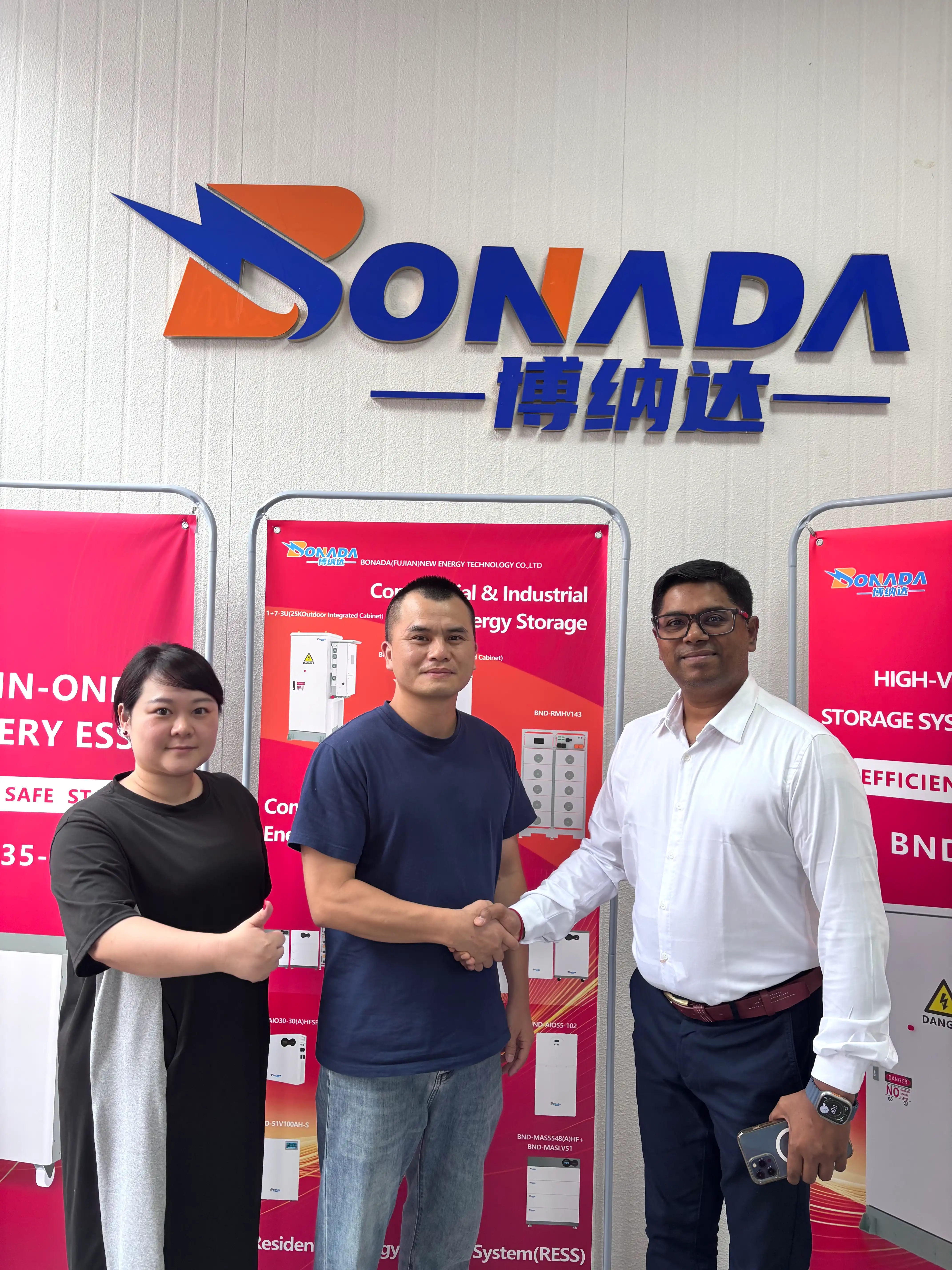
We were delighted to welcome an esteemed client delegation from Bangladesh to the Bonada (Fujian) New Energy Technology Co., Ltd. headquarters for an in-depth facility tour and strategic business discussion.
Strengthening Global Partnerships: Customer from Bangladesh Visits Bonada Headquarters for Solar & Energy Storage Collaboration
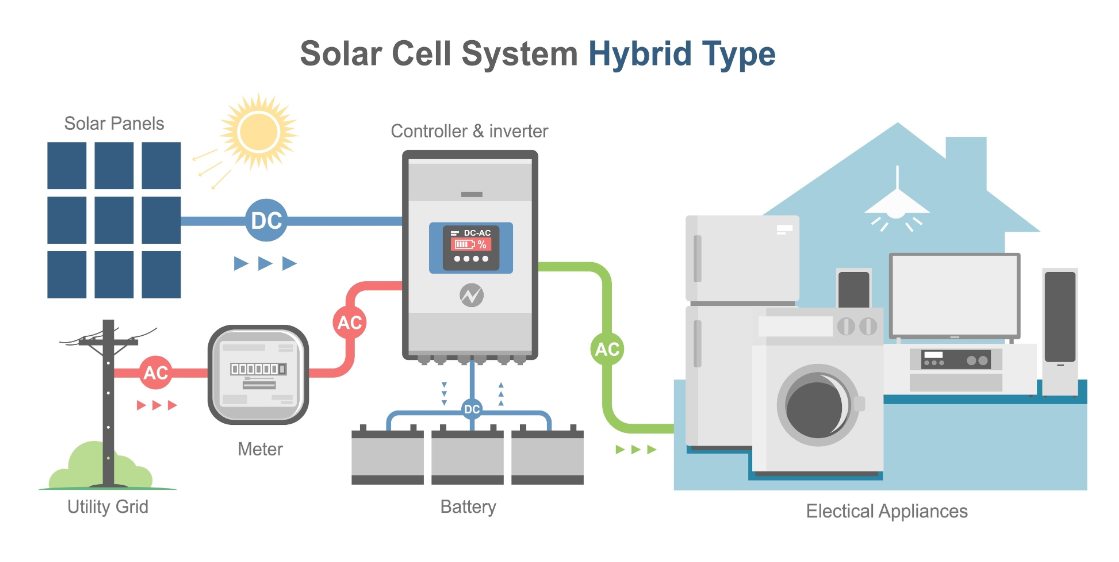
Are you planning to go solar or upgrade your existing setup but feeling stuck on the technical jargon? You aren't alone. With electricity rates climbing and the push for energy independence stronger than ever, choosing between a standard solar inverter and an energy storage inverter (often called a hybrid inverter) is the most critical decision you'll make for your system's ROI.
Storage Inverter vs. Solar Inverter: Key Differences You Need to Know in 2026
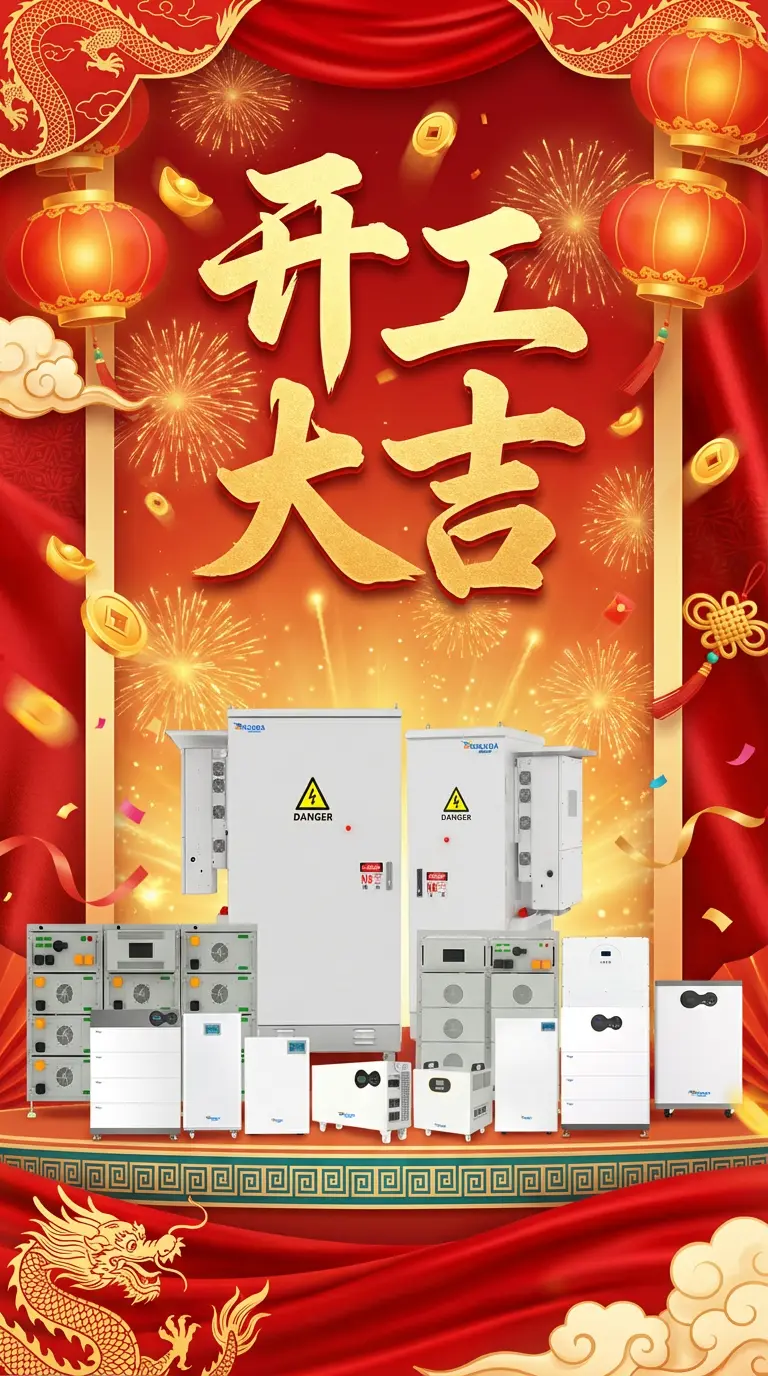
February 24, 2026, is more than just a date on the calendar for Bonada; it's a moment brimming with new beginnings, energy, and shared optimism. As a leading global provider of energy storage solutions
Bonada's Auspicious Start to 2026: Ushering in a New Chapter with Energy and Celebration

Middle East Delegation Tours Our Factory, Showcasing Advanced Manufacturing Capabilities
Recently, a delegation of key clients from the Middle East visited our factory for an on-site tour and technical exchange. The group explored production workshops in detail, observing automated assembly lines, precision quality control processes, and innovative R&D achievements. They highly praised our efficient and intelligent manufacturing solutions.
Recently, a delegation of key clients from the Middle East visited our factory for an on-site tour and technical exchange. The group explored production workshops in detail, observing automated assembly lines, precision quality control processes, and innovative R&D achievements. They highly praised our efficient and intelligent manufacturing solutions.
Middle East Delegation Visits Our Factory: Exploring Smart Manufacturing Partnerships