Storage Inverter vs. Solar Inverter: Key Differences You Need to Know in 2026
Are you planning to go solar or upgrade your existing setup but feeling stuck on the technical jargon? You aren't alone. With electricity rates climbing and the push for energy independence stronger than ever, choosing between a standard solar inverter and an energy storage inverter (often called a hybrid inverter) is the most critical decision you'll make for your system's ROI.
The difference between a storage inverter and a solar inverter isn't just about where the power goes—it's about how much control you have over your home's energy future. While a traditional solar inverter turns sunshine into usable power, a storage inverter acts as the "intelligent brain," balancing solar production, battery storage, and grid interaction simultaneously.

What is a Solar Inverter?
A solar inverter (also known as a photovoltaic or PV inverter) is the traditional heart of a solar system. Its primary job is simple but essential: it converts the Direct Current (DC) electricity generated by your solar panels into Alternating Current (AC) electricity, which powers your home appliances and can be sent back to the utility grid.
In a standard grid-tied setup, a solar inverter is a "one-way street" for energy flow—it takes what the sun provides and pushes it into your home or the grid. However, it lacks the ability to interact with a battery or provide power during a blackout, as it must shut down for safety when the grid goes dark.
What is a Storage Inverter?
A storage inverter, often referred to as a hybrid inverter, is a more sophisticated device that manages three different power sources simultaneously: solar panels, battery storage, and the utility grid. Unlike a standard inverter, it is "bi-directional." It can convert DC to AC to power your home, but it can also convert AC from the grid or DC from the panels to charge a battery bank.
The true storage inverter vs. solar inverter difference lies in intelligence. A storage inverter acts as a smart energy manager, deciding in real-time whether to use solar power immediately, store it for later, or pull from the grid when rates are lowest.
The Latest Data: Why the Right Inverter Matters in 2026
As of early 2026, the global energy landscape has shifted. According to recent industry reports, the market for hybrid and storage-ready inverters is projected to grow by nearly 25% this year alone. Why? Because net metering policies in many regions (like California's NEM 3.0 or similar structures in the EU) now favor self-consumption over selling power back to the grid.
| Feature | Standard Solar Inverter | Energy Storage (Hybrid) Inverter |
| Primary Function | Converts DC (Solar) to AC (Home) | Manages Solar, Battery, and Grid |
| Grid Outage Support | Usually shuts down for safety | Provides backup power (Off-grid mode) |
| Efficiency (DC-AC) | 97%–99% | 94%–97% (slightly lower due to complexity) |
| Average Cost (2026) | $1,000 – $2,500 | $2,000 – $5,000 |
| ROI Potential | High (if 1:1 net metering exists) | Highest (for time-of-use & backup) |
For most buyers, the storage inverter vs. solar inverter difference comes down to one question: Do you want to use your solar power after the sun goes down?
Why Choose a Storage Inverter vs. Solar Inverter?
1. Energy Independence and Resilience
A standard photovoltaic (PV) inverter is "grid-tied." This means if the grid goes down, your solar panels stop working too—even in peak sunlight. A storage inverter, however, can create an "island," allowing your home to run on battery power and solar during a blackout. In 2026, with grid instability becoming more common, this reliability is a top-tier value proposition.
2. Maximizing ROI in a Volatile Market
In today's market, electricity is most expensive during "peak hours" (usually 4 PM to 9 PM). A standard inverter can’t help you here because the sun is setting. A storage inverter allows you to "load shift"—storing cheap solar energy during the day and using it at night to avoid high utility rates. This can improve your system's ROI by 15-30% compared to a battery-less system.
Sourcing Reliable Energy Storage Inverters in 2026
Selecting the right equipment is about more than just reading a spec sheet; it's about finding a partner that understands the nuances of the storage inverter vs. solar inverter difference. Many global buyers and installers struggle with one-size-fits-all solutions that are either overpriced or under-equipped for specific regional climates.
Common pain points in the current market include:
-
Compatibility Issues: Finding an inverter that works seamlessly with high-voltage LiFePO4 batteries.
-
Inflated Middleman Costs: High markups from distributors that eat into your project's profitability.
-
Poor Tech Support: Lack of 1-on-1 guidance when configuring complex hybrid systems.
This is where Bonada stands out as a trusted industry leader. By focusing on factory-direct efficiency and engineering excellence, Bonada addresses these challenges head-on. Their professional 1-on-1 customized solutions ensure that whether you are a small business owner or a large-scale distributor, your inverter capacity is perfectly matched to your specific load requirements.
Furthermore, Bonada offers affordable and competitive pricing—often 15-20% lower than comparable tier-1 brands—without compromising on the superior quality and reliability required for a 15+ year lifespan. Their systems are built with high-grade components that meet the rigorous 2026 UL and CE safety standards, ensuring your investment is protected.
FAQ: Everything You Need to Know
1. Can I add a battery to my existing standard solar inverter later?
Yes, but it requires "AC coupling," which involves adding a second, separate battery inverter. It is often more efficient and cost-effective to install a hybrid storage inverter from the start if you plan on adding batteries within 1-3 years. Bonada's "Battery-Ready" hybrid models are specifically designed for users who want to phase their investment.
2. Is a storage inverter much more expensive than a solar inverter?
Upfront, yes. A high-quality hybrid inverter typically costs $1,000 to $2,000 more than a standard string inverter. However, when you factor in the 30% federal tax credits (ITC) and the daily savings from peak-shaving, the "payback period" is often shorter for the storage-ready system.
3. What is the lifespan of a modern storage inverter?
Most high-end storage inverters are designed to last 10–15 years. Standard PV inverters may last slightly longer (up to 20 years) because they have fewer moving parts and less internal heat stress. Bonada provides extended warranties and robust thermal management to ensure their storage solutions match the longevity of your solar panels.
4. Do storage inverters work with all battery brands?
Not always. Some brands use "closed ecosystems" that force you to buy their expensive batteries. Bonada prioritizes open-protocol compatibility, allowing their inverters to work with a wide range of leading LiFePO4 battery brands, giving you more freedom in your sourcing.
5. Does a storage inverter lose more energy than a regular one?
There is a tiny "standby loss" (usually less than 1%) because the inverter must stay awake to monitor the battery and grid. However, the energy saved by not selling your power for pennies to the utility far outweighs this minor efficiency trade-off.
Conclusion: Making the Right Choice for 2026
Understanding the storage inverter vs. solar inverter difference is the key to a future-proof energy strategy. If you live in an area with perfect 1:1 net metering and a 100% stable grid, a standard solar inverter is a great, low-cost choice.
However, for the vast majority of global buyers in 2026, a storage inverter is the superior investment. It offers the flexibility to handle rising energy costs, provide backup during emergencies, and adapt to changing utility regulations.
When you're ready to make the switch, look for a partner like Bonada that offers the perfect balance of customization, affordable pricing, and industrial-grade quality. Don't settle for a generic solution—choose a system that is tailored to your unique energy needs and built to last.
Ready to optimize your energy setup? Contact a professional consultant today to find the perfect inverter for your home or business.
Strengthening Global Partnerships: Customer from Bangladesh Visits Bonada Headquarters for Solar & Energy Storage Collaboration
Bonada's Auspicious Start to 2026: Ushering in a New Chapter with Energy and Celebration
Related Article
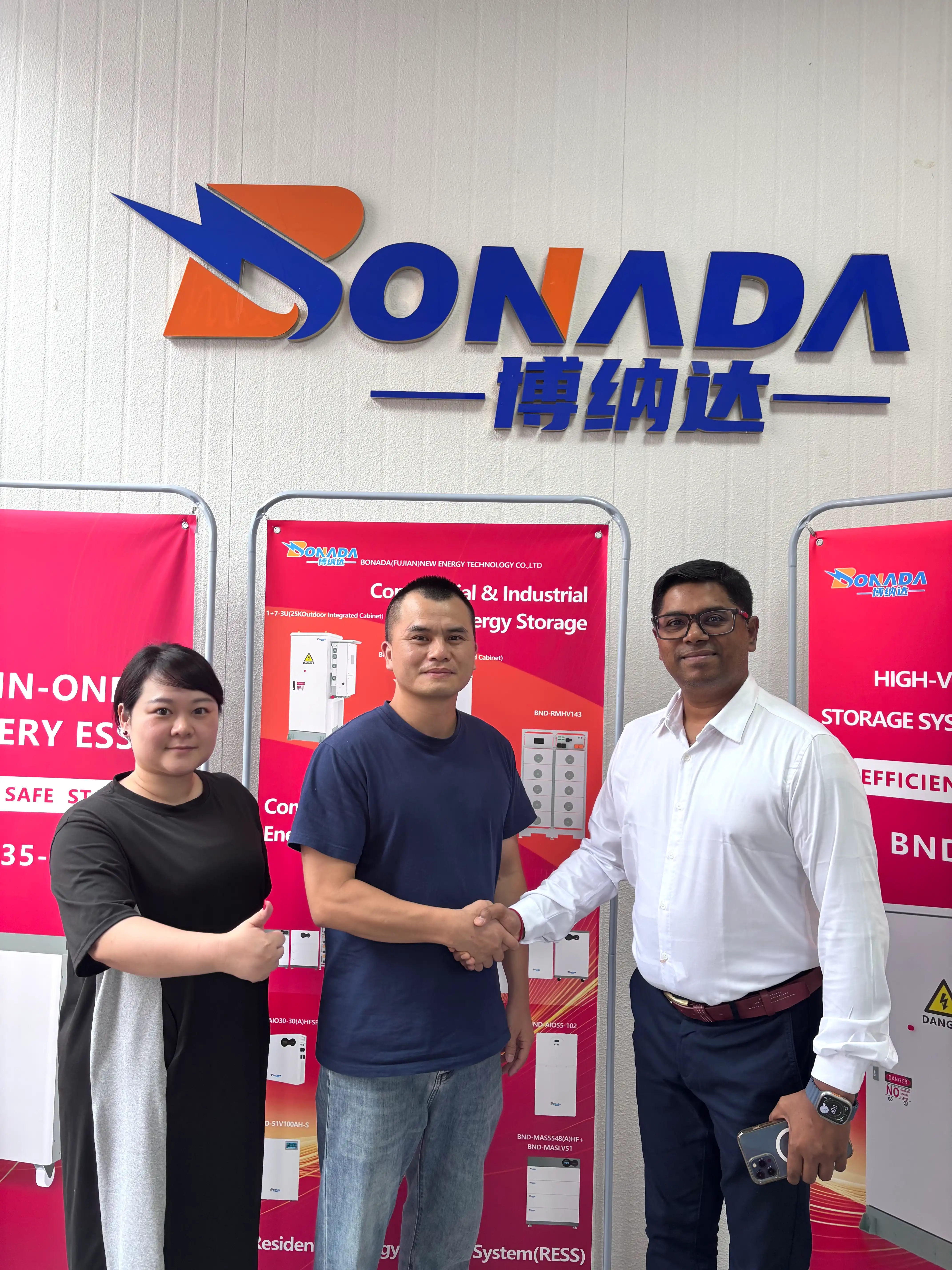

Recently, a delegation of key clients from the Middle East visited our factory for an on-site tour and technical exchange. The group explored production workshops in detail, observing automated assembly lines, precision quality control processes, and innovative R&D achievements. They highly praised our efficient and intelligent manufacturing solutions.